The 2026 Guide to Ethical Fashion Sourcing: Identifying Brands Committed to Fair Labor Practices
Latest developments on The 2026 Guide to Ethical Fashion Sourcing: Identifying Brands Committed to Fair Labor Practices, with key facts, verified sources and what readers need to monitor next in Estados Unidos, presented clearly in Inglês (Estados Unidos) (en-US).
The 2026 Guide to Ethical Fashion Sourcing: Identifying Brands Committed to Fair Labor Practices is shaping today’s agenda with new details released by officials and industry sources. This update prioritizes what changed, why it matters and what to watch next, in a straightforward news format.
The fashion industry continues its complex evolution, with consumers increasingly demanding transparency and accountability. This guide provides a crucial benchmark for identifying brands that genuinely uphold fair labor practices.
As 2026 approaches, the landscape of ethical sourcing is becoming more defined yet also more challenging. Understanding these shifts is vital for both consumers and businesses aiming for responsible consumption and production.
This report delves into the core components of ethical fashion sourcing, offering a clear perspective on what constitutes fair labor and how to verify brand commitments.
Understanding the Foundation of Ethical Fashion Sourcing in 2026
The concept of ethical fashion sourcing has matured significantly, moving beyond basic compliance to encompass comprehensive social and environmental responsibility. It now integrates worker well-being, fair wages, and safe working conditions as fundamental pillars.
For 2026, the focus has sharpened on verifiable metrics and independent audits, ensuring that claims of fair labor practices are substantiated. This shift reflects a broader industry push for genuine impact over mere rhetoric.
Consumers are more informed than ever, demanding that brands provide clear evidence of their ethical commitments, driving the need for robust frameworks like The 2026 Guide to Ethical Fashion Sourcing: Identifying Brands Committed to Fair Labor Practices.
Key Principles Defining Fair Labor Practices
Fair labor practices, as outlined in the 2026 guide, revolve around several non-negotiable principles. These include the prohibition of forced labor and child labor, ensuring workers receive a living wage, and guaranteeing reasonable working hours.
Additionally, freedom of association and the right to collective bargaining are paramount, allowing workers to advocate for their rights. Non-discrimination and safe, hygienic working conditions complete this foundational set of principles.
- Prohibition of forced and child labor
- Payment of living wages
- Reasonable working hours
- Freedom of association and collective bargaining
- Safe and hygienic working conditions
The Evolution of Sourcing Standards
Sourcing standards have evolved dramatically, propelled by increased public awareness and regulatory pressures. What was once considered best practice is now often a minimum requirement, pushing brands to innovate in their supply chain management.
The 2026 landscape emphasizes traceability and transparency, requiring brands to map their supply chains from raw material to finished product. This allows for closer scrutiny and better accountability regarding labor conditions.
New technologies, such as blockchain, are playing an increasingly important role in verifying the origin and ethical journey of materials, offering unprecedented levels of transparency in ethical fashion sourcing.
Identifying Truly Committed Brands: Beyond Greenwashing
Distinguishing genuinely ethical brands from those engaged in ‘greenwashing’ is a critical challenge for consumers. Many brands make vague claims without offering concrete evidence of their fair labor practices.
The 2026 Guide to Ethical Fashion Sourcing: Identifying Brands Committed to Fair Labor Practices provides tools and criteria to help consumers cut through deceptive marketing. It emphasizes looking for specific certifications and detailed reports.
True commitment involves comprehensive, systemic changes across the entire supply chain, not just isolated initiatives. Brands must demonstrate ongoing efforts and continuous improvement in their ethical fashion sourcing.
Certifications and Audits: What to Look For
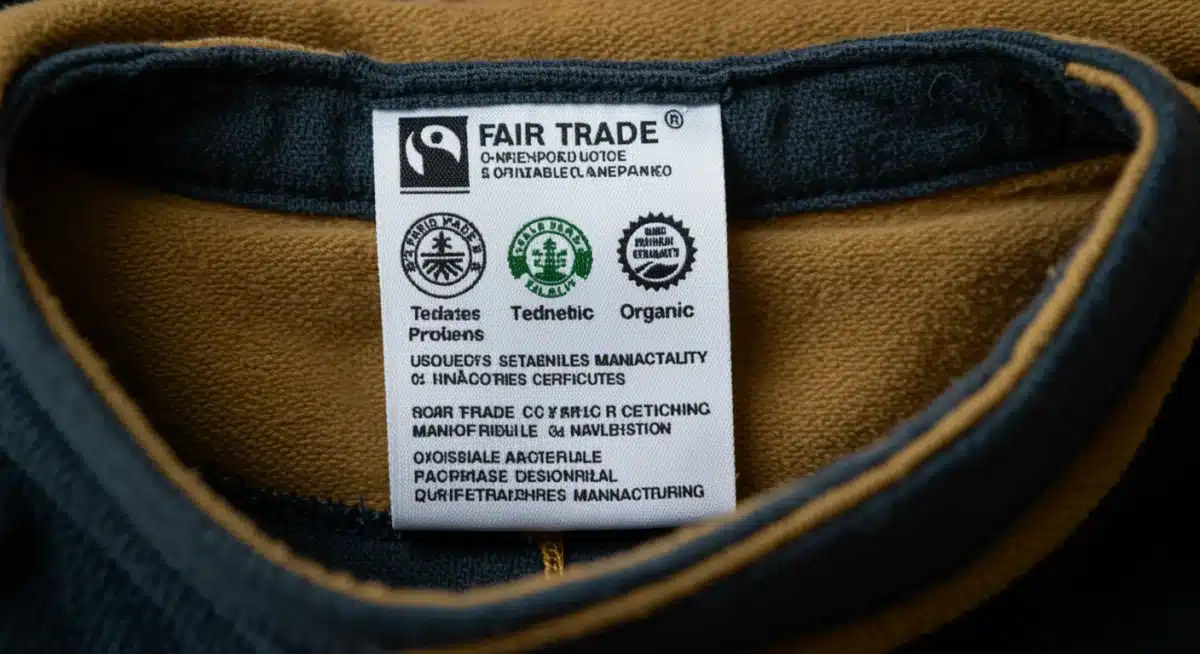
Reputable certifications are a primary indicator of ethical commitment. These third-party verifications ensure that a brand’s claims about fair labor and environmental practices are independently validated.
Examples include Fair Trade Certified, GOTS (Global Organic Textile Standard), and SA8000, each focusing on different aspects of ethical production. These certifications signify adherence to strict social and environmental criteria.
- Fair Trade Certified: Focuses on fair wages and safe conditions.
- GOTS: Ensures organic status of textiles from harvesting to manufacturing.
- SA8000: Addresses social accountability in the workplace.
- Bluesign: A standard for sustainable textile production.
Transparency and Reporting Mechanisms
Brands that are genuinely committed to ethical fashion sourcing provide detailed transparency reports. These reports often include information about their factories, audit results, and efforts to address labor issues.
Publicly available supply chain maps and impact assessments demonstrate a brand’s willingness to be open and accountable. This level of detail allows consumers to verify claims and understand the brand’s ethical journey.
The absence of such transparency should be a red flag, as it often indicates a lack of robust ethical practices or an unwillingness to disclose potential issues in their ethical fashion sourcing.
Challenges and Opportunities in Global Supply Chains for 2026
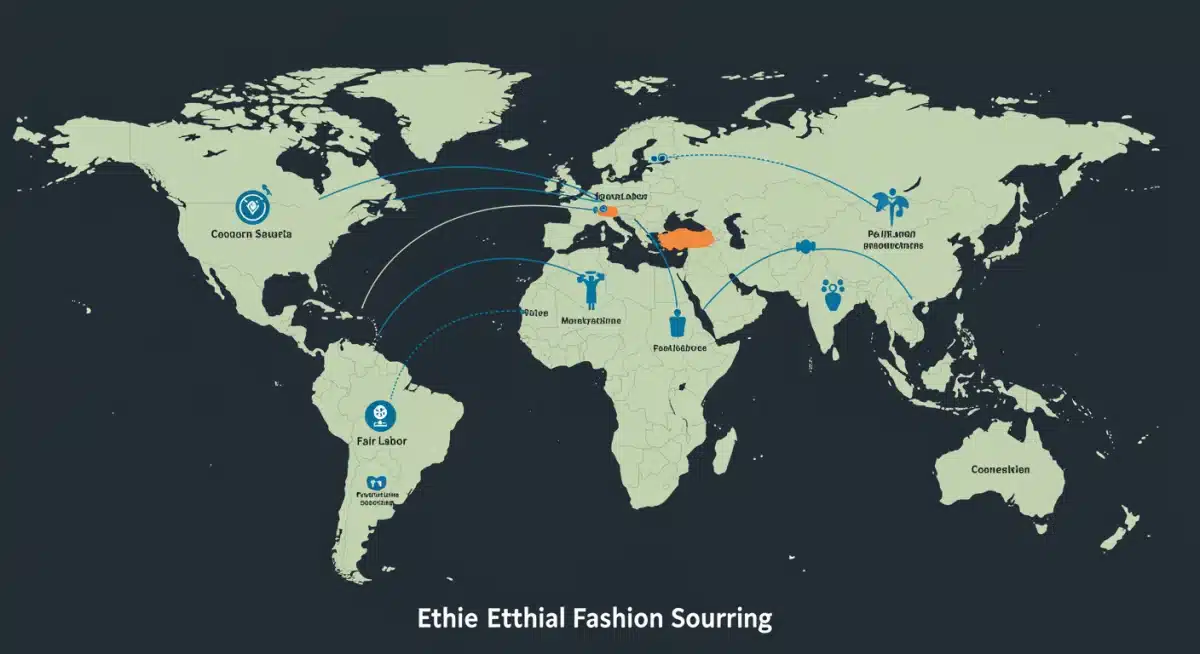
Global supply chains present significant complexities for ethical fashion sourcing. The vast geographical spread and numerous intermediaries make it challenging to monitor labor conditions effectively at every stage.
Economic pressures and geopolitical instability can also impact a brand’s ability to maintain high ethical standards. However, these challenges also create opportunities for innovation in ethical supply chain management.
New technologies and collaborative initiatives are emerging to address these issues, offering pathways to more resilient and transparent ethical fashion sourcing networks by 2026.
Navigating Complex Labor Laws Across Regions
Different countries have varying labor laws, creating a fragmented legal landscape for global brands. Ensuring compliance with the highest ethical standards across all regions requires extensive legal and operational oversight.
Brands committed to ethical fashion sourcing often adopt a universal code of conduct that exceeds local legal minimums, applying consistent fair labor practices wherever they operate. This proactive approach mitigates risks and upholds their ethical commitments.
Understanding and respecting local cultural contexts while upholding universal human rights is crucial for successful and respectful ethical fashion sourcing operations.
The Role of Technology in Ethical Sourcing
Technology is revolutionizing ethical fashion sourcing by enabling greater traceability and monitoring. Blockchain, for instance, can record every step of a product’s journey, making it difficult to falsify information about origin or labor conditions.
AI and data analytics are used to identify potential risks in supply chains, flagging factories with a history of labor violations or regions prone to exploitative practices. This proactive risk management enhances ethical oversight.
Digital platforms facilitate direct communication between brands, factories, and workers, allowing for real-time feedback and quicker resolution of issues related to fair labor practices and ethical fashion sourcing.
Consumer Action and Advocacy in Driving Ethical Change
Consumer demand is a powerful force driving the fashion industry towards more ethical practices. Informed purchasing decisions and advocacy can significantly influence brands to adopt and maintain fair labor standards.
By actively seeking out brands that align with The 2026 Guide to Ethical Fashion Sourcing: Identifying Brands Committed to Fair Labor Practices, consumers send a clear message to the market. This collective action fosters a culture of accountability.
Support for advocacy groups and participation in campaigns further amplifies the call for ethical change, pushing for stronger regulations and greater corporate responsibility in ethical fashion sourcing.
How to Make Informed Purchasing Decisions
To make informed decisions, consumers should research brands thoroughly, checking for certifications, transparency reports, and independent assessments. Websites like Good On You offer ratings based on ethical criteria.
Asking direct questions to brands about their supply chain and labor practices can also yield valuable insights. A truly ethical brand will be eager to share this information and demonstrate their commitment to ethical fashion sourcing.
Prioritizing quality over quantity and choosing timeless pieces from ethical brands reduces overall consumption and supports a more sustainable fashion ecosystem rooted in fair labor practices.
The Impact of Collective Consumer Power
The cumulative effect of individual consumer choices creates significant market pressure. As more consumers opt for ethical brands, the demand for fair labor practices increases across the industry.
Social media and online platforms have empowered consumers to collectively voice their concerns and celebrate brands that excel in ethical fashion sourcing. This collective power holds brands accountable and encourages positive change.
This evolving dynamic ensures that ethical considerations are not just a niche concern but a mainstream expectation for all fashion businesses, as highlighted by The 2026 Guide to Ethical Fashion Sourcing: Identifying Brands Committed to Fair Labor Practices.
Governmental and Regulatory Frameworks for Ethical Sourcing
Governments and international bodies are playing an increasingly active role in shaping ethical sourcing standards. Legislation aimed at combating forced labor and promoting supply chain transparency is becoming more common.
These regulatory frameworks provide a legal backbone for ethical practices, compelling brands to adhere to certain standards or face penalties. This top-down approach complements consumer-driven pressures for fair labor.
The 2026 outlook suggests an even stronger emphasis on international cooperation to harmonize ethical sourcing laws, creating a more level playing field for businesses and better protections for workers.
Key Legislative Developments in the US
In the United States, legislation like the Uyghur Forced Labor Prevention Act (UFLPA) demonstrates a strong stance against forced labor in supply chains. This act places the burden of proof on importers to ensure goods are not made with forced labor.
Further legislative efforts are anticipated to enhance transparency requirements, compelling brands to disclose more details about their manufacturing processes and labor conditions. These developments are crucial for ethical fashion sourcing in the region.
These laws are not merely symbolic; they carry significant economic consequences for non-compliant brands, reinforcing the importance of adhering to the principles outlined in The 2026 Guide to Ethical Fashion Sourcing: Identifying Brands Committed to Fair Labor Practices.
International Standards and Collaborations
International organizations like the ILO (International Labour Organization) set global labor standards that serve as benchmarks for ethical sourcing. Their conventions provide a framework for fair employment practices worldwide.
Collaborative initiatives between governments, NGOs, and industry associations are driving harmonized standards and shared best practices. These partnerships are vital for addressing complex, cross-border ethical challenges.
Such collaborations aim to create a global ecosystem where ethical fashion sourcing is the norm, not the exception, ensuring that fair labor practices are consistently upheld across diverse manufacturing landscapes.
Future Trends in Ethical Fashion Sourcing: 2026 and Beyond
Looking ahead to 2026 and beyond, several trends are poised to further shape the ethical fashion sourcing landscape. Increased digitalization and AI integration will offer more sophisticated tools for monitoring and verification.
The circular economy model, which emphasizes reducing waste and maximizing resource utility, will become more intertwined with ethical labor practices. This holistic approach views sustainability and ethics as inseparable components.
Furthermore, greater emphasis on worker empowerment and well-being, moving beyond mere compliance to proactive support for livelihoods, will define the next frontier in ethical fashion sourcing.
The Rise of Circularity and Ethical Synergy
The intersection of circular economy principles and ethical sourcing is becoming increasingly prominent. Brands are exploring ways to design products for longevity, repairability, and recyclability, which inherently reduces the demand for new, potentially unethically sourced materials.
This synergy means that ethical brands are not only concerned with how products are made but also with their entire lifecycle, minimizing environmental impact and promoting responsible resource management. This is a core aspect of The 2026 Guide to Ethical Fashion Sourcing: Identifying Brands Committed to Fair Labor Practices.
By embracing circularity, brands can reduce their reliance on exploitative supply chains and promote a more sustainable and equitable future for the fashion industry, solidifying the principles of ethical fashion sourcing.
Empowering Workers and Community Development
Beyond ensuring fair wages and safe conditions, ethical fashion sourcing is increasingly focusing on empowering workers and supporting community development. This includes providing access to education, healthcare, and economic opportunities for factory workers and their families.
Brands are investing in programs that foster skill development and leadership among workers, giving them a stronger voice and greater agency in their workplaces. This approach goes beyond basic compliance, aiming for genuine social upliftment.
This deeper commitment to worker empowerment is a testament to the evolving understanding of what truly constitutes ethical fashion sourcing, fostering long-term positive impacts on individuals and communities.
Measuring Impact and Continuous Improvement
Effective ethical fashion sourcing requires robust mechanisms for measuring impact and committing to continuous improvement. Brands must regularly assess their performance against ethical benchmarks and adapt their strategies accordingly.
This involves collecting and analyzing data on labor practices, environmental footprint, and social outcomes. Transparency in reporting these findings, even when challenges exist, builds trust with consumers and stakeholders.
The journey towards fully ethical fashion sourcing is ongoing, demanding a proactive and adaptive approach from brands. This commitment to evolve is a hallmark of truly responsible businesses, as detailed in The 2026 Guide to Ethical Fashion Sourcing: Identifying Brands Committed to Fair Labor Practices.
Metrics and Key Performance Indicators
To effectively measure impact, brands utilize various metrics and Key Performance Indicators (KPIs). These include statistics on living wage attainment, worker satisfaction rates, audit compliance scores, and reductions in environmental impact.
Establishing clear, measurable goals and regularly tracking progress against these KPIs allows brands to identify areas for improvement and demonstrate tangible results in their ethical fashion sourcing efforts.
The use of standardized reporting frameworks, such as the Global Reporting Initiative (GRI), ensures consistency and comparability across different brands and industries, enhancing accountability.
The Role of Stakeholder Engagement
Engaging actively with all stakeholders—workers, local communities, suppliers, NGOs, and consumers—is crucial for continuous improvement in ethical fashion sourcing. This collaborative approach fosters shared responsibility and solutions.
Worker feedback mechanisms, such as grievance channels and anonymous surveys, provide invaluable insights into actual labor conditions and areas needing attention. This direct input is vital for effective ethical management.
Open dialogue and partnerships with suppliers can lead to innovative solutions for complex ethical challenges, creating a more resilient and responsible supply chain for all involved parties in ethical fashion sourcing.
| Key Point | Brief Description |
|---|---|
| Fair Labor Principles | Core standards like living wages, safe conditions, no child labor. |
| Brand Identification | Look for certifications, transparency reports, and supply chain maps. |
| Technological Impact | Blockchain and AI enhance traceability and risk management. |
| Consumer Influence | Informed choices drive market demand for ethical practices. |
Frequently Asked Questions About Ethical Fashion Sourcing
Ethical fashion sourcing in 2026 is defined by comprehensive adherence to fair labor practices, environmental sustainability, and supply chain transparency. This includes ensuring living wages, safe working conditions, prohibiting forced labor, and verifiable third-party certifications. It also emphasizes responsible resource management and circular economy principles throughout the production process.
Consumers can identify committed brands by looking for recognized certifications such as Fair Trade Certified or SA8000. Additionally, transparency reports, publicly available supply chain maps, and detailed information about factory conditions on brand websites are strong indicators. Brands that openly discuss their challenges and improvement efforts also demonstrate genuine commitment to ethical fashion sourcing.
Technology plays a pivotal role in ethical sourcing for 2026 by enhancing traceability and accountability. Blockchain can provide immutable records of supply chain activities, while AI and data analytics help identify potential risks and monitor compliance with labor standards. Digital platforms also improve communication between brands, suppliers, and workers, fostering quicker issue resolution in ethical fashion sourcing.
Yes, in the US, legislation like the Uyghur Forced Labor Prevention Act (UFLPA) significantly impacts ethical fashion sourcing by prohibiting goods made with forced labor from entering the country. This places a strong onus on brands to verify their supply chains. Further regulations are expected to increase transparency requirements, pushing brands towards more stringent fair labor practices.
Beyond 2026, future trends for ethical fashion sourcing include deeper integration of circular economy models, greater emphasis on worker empowerment through education and skill development, and continued advancements in digital traceability. There will also be a stronger focus on collaborative industry initiatives and harmonized international regulations to create a universally ethical fashion landscape.
Looking Ahead
The continued evolution of The 2026 Guide to Ethical Fashion Sourcing: Identifying Brands Committed to Fair Labor Practices signifies a critical juncture for the fashion industry. Brands must adapt to heightened consumer expectations and evolving regulatory landscapes, making genuine commitment to fair labor non-negotiable. The coming years will see an intensified focus on verifiable impact and systemic change across global supply chains. Staying informed on these developments remains crucial for both businesses and conscious consumers aiming to foster a truly ethical and sustainable fashion future.