Top 5 Sustainable Denim Brands for 2026: Eco-Friendly Fashion
Latest developments on The Top 5 Sustainable Denim Brands for 2026: Reducing Your Fashion Footprint by 15%, with key facts, verified sources and what readers need to monitor next in Estados Unidos, presented clearly in Inglês (Estados Unidos) (en-US).
The Top 5 Sustainable Denim Brands for 2026: Reducing Your Fashion Footprint by 15% is shaping today’s agenda with new details released by officials and industry sources. This update prioritizes what changed, why it matters and what to watch next, in a straightforward news format.
The Imperative for Sustainable Denim
The global fashion industry faces increasing scrutiny over its environmental impact, with denim production being a particularly resource-intensive sector. Traditional denim manufacturing consumes vast amounts of water, energy, and chemicals, contributing significantly to pollution and waste.
As consumer awareness grows, there is a powerful shift towards more sustainable practices. Brands are now compelled to innovate, adopting eco-friendly materials and processes to meet the demands of an environmentally conscious market.
This urgent need for change is driving the emergence of sustainable denim brands that prioritize ethical production and a reduced ecological footprint. The commitment to sustainability is no longer a niche, but a core expectation for the future of fashion.
Defining Sustainable Denim Practices
Sustainable denim encompasses a range of practices aimed at minimizing environmental harm and promoting social responsibility throughout the production chain. This includes everything from the sourcing of raw materials to the finishing processes and end-of-life considerations for garments.
Key areas of focus involve reducing water consumption, eliminating harmful chemicals, utilizing recycled or organic fibers, and ensuring fair labor practices. Transparency in the supply chain is also crucial, allowing consumers to make informed choices about their purchases.
Brands committed to these principles are actively seeking certifications and partnering with organizations that audit their environmental and social performance. These efforts collectively contribute to the overarching goal of reducing the fashion footprint.
Eco-Friendly Material Innovations
The foundation of sustainable denim lies in its materials. Organic cotton, recycled cotton, hemp, and Tencel Lyocell are increasingly replacing conventional cotton, which demands extensive water and pesticide use.
These innovative fibers significantly lower the environmental impact, requiring less water and fewer chemicals. They also offer enhanced durability and comfort, aligning with consumer desires for both sustainability and product quality.
- Organic Cotton: Grown without synthetic pesticides or fertilizers, reducing soil and water pollution.
- Recycled Cotton: Repurposes textile waste, diverting it from landfills and conserving resources.
- Hemp: A fast-growing plant requiring minimal water and no pesticides, known for its strength and durability.
- Tencel Lyocell: A cellulosic fiber derived from sustainably sourced wood pulp, produced in a closed-loop system.
Water and Chemical Reduction Technologies
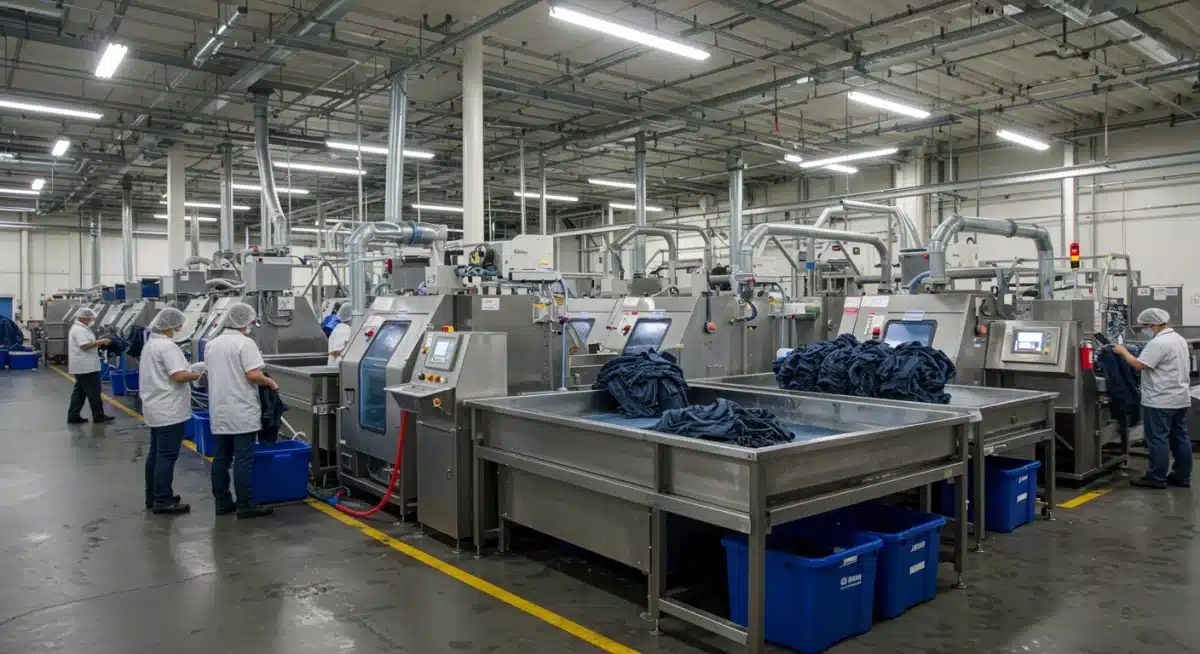
Traditional denim washing and dyeing processes are notoriously water and chemical-intensive. Sustainable denim brands are pioneering technologies to drastically cut down on these resources.
Innovations like laser finishing, ozone washing, and advanced water recycling systems are transforming the industry. These methods not only conserve water but also reduce the discharge of harmful effluents into the environment.
- Laser Finishing: Creates distressed effects without water or chemicals, replacing traditional sandblasting.
- Ozone Washing: Uses ozone gas to achieve faded looks, significantly reducing water and chemical use.
- Closed-Loop Systems: Recycles water and chemicals, preventing pollution and maximizing resource efficiency.
The Top 5 Sustainable Denim Brands for 2026
As the fashion landscape evolves, several brands are emerging as leaders in sustainable denim, setting new benchmarks for environmental responsibility and ethical production. These companies are not just offering eco-friendly products; they are redefining industry standards.
Their commitment to innovation, transparency, and social welfare positions them at the forefront of the movement to reduce fashion’s ecological impact. By 2026, these brands are projected to significantly influence consumer choices and industry practices.
Here, we highlight five exemplary brands that are poised to dominate the sustainable denim market, each with unique approaches to making a difference. Their collective efforts are instrumental in making sustainable denim brands 2026 a reality.
Brand 1: Nudie Jeans – Pioneers of Circularity
Nudie Jeans has long been a frontrunner in the sustainable denim movement, advocating for transparency and circularity since its inception. Their commitment to 100% organic cotton is a cornerstone of their brand identity.
What truly sets Nudie Jeans apart is their free repair service, encouraging customers to extend the life of their garments and combat fast fashion’s disposability. This initiative embodies their philosophy of “wear, tear, repair,” significantly reducing waste.
By 2026, Nudie Jeans continues to expand its repair shops and promote its recycling program, further solidifying its position as a leader among sustainable denim brands 2026. Their dedication to a circular economy is a model for the entire industry.
Brand 2: Levi’s – Scaling Sustainable Innovation
As an iconic denim brand, Levi’s has made significant strides in integrating sustainability into its massive global operations. Their “Water<Less” technologies have saved billions of liters of water in their production processes.
Levi’s also focuses on using recycled materials and responsibly sourced cotton through initiatives like the Better Cotton Initiative. Their commitment extends to advocating for fair labor practices across their supply chain.
By leveraging their scale, Levi’s has the potential to drive widespread change, making sustainable denim practices accessible to a broader audience. Their ongoing innovations cement their role in the future of sustainable denim brands 2026.
Brand 3: G-Star Raw – The Art of Raw Sustainable Denim
G-Star Raw has distinguished itself through its innovative approach to raw, unwashed denim, combined with a strong focus on sustainability. They are known for their “Cradle to Cradle” certified denim fabrics, ensuring products are designed for their next use.
The brand’s commitment to material innovation includes using organic, recycled, and chemically safe fibers. G-Star Raw also prioritizes reducing water and chemical usage in their dyeing and finishing processes.
Their dedication to creating durable, timeless pieces that can be recycled or composted underscores their leadership in eco-conscious fashion. G-Star Raw is a key player in the evolution of sustainable denim brands 2026.
Brand 4: Everlane – Radical Transparency in Denim
Everlane has built its brand on the principle of “radical transparency,” providing customers with detailed information about their factories, costs, and environmental impact. This commitment extends to their denim production.
Their denim factory, Saitex, is renowned for its sustainable practices, including air-drying facilities to reduce energy consumption and a water recycling system that reuses 98% of its water. Everlane’s denim is made with organic cotton and uses clean dying processes.
By offering high-quality, ethically produced denim at accessible prices, Everlane makes sustainable fashion attainable for many consumers. Their model of transparency and responsible manufacturing makes them a significant contender among sustainable denim brands 2026.
Brand 5: Boyish Jeans – Vintage Style, Modern Sustainability
Boyish Jeans combines vintage-inspired aesthetics with cutting-edge sustainable practices. They are committed to using only environmentally friendly and cruelty-free materials, including organic and recycled cotton.
The brand’s production processes focus on minimizing waste, water, and chemical usage, utilizing innovative dyeing and finishing techniques. Boyish Jeans also partners with ethical manufacturers who uphold fair labor standards.
Their dedication to creating stylish, sustainable denim without compromising on ethics or aesthetics makes them a rising star. Boyish Jeans exemplifies how fashion-forward design can align seamlessly with environmental responsibility, securing its place in sustainable denim brands 2026.
Reducing Your Fashion Footprint by 15%
The goal of reducing your fashion footprint by 15% by 2026 is ambitious but entirely achievable through conscious consumer choices and industry innovation. Supporting sustainable denim brands is a crucial step in this direction.
Every purchase from a brand committed to eco-friendly practices contributes to a larger positive impact. This collective action drives demand for sustainable products, encouraging more brands to adopt responsible manufacturing methods.
Beyond purchasing, extending the life of your garments through repair and proper care further reduces environmental strain. These combined efforts are essential for achieving a significant reduction in fashion’s overall ecological impact.
The Role of Consumer Choices
Consumers hold significant power in shaping the future of fashion. By consciously choosing sustainable denim brands, individuals directly influence market trends and encourage broader industry change.
Educating oneself about sustainable practices and supporting brands that align with personal values is paramount. This informed approach fosters a demand for transparency and accountability within the fashion supply chain.
The collective impact of individual decisions, from selecting organic cotton to participating in repair programs, drives the momentum needed for widespread sustainability. Your choices directly contribute to the success of sustainable denim brands 2026.
Industry Collaborations and Certifications
The move towards a more sustainable denim industry is also fueled by collaborations and recognized certifications. These partnerships ensure adherence to environmental and ethical standards, providing consumers with trusted indicators.
Certifications like GOTS (Global Organic Textile Standard), OEKO-TEX, and Cradle to Cradle Product Certification offer assurance that products meet stringent sustainability criteria. Industry alliances promote shared knowledge and best practices.
These collaborations accelerate innovation and create a unified front against unsustainable practices, fostering a more responsible and transparent fashion ecosystem. The growth of sustainable denim brands 2026 relies heavily on these established benchmarks.
Challenges and Future Outlook for Sustainable Denim
While significant progress has been made, the sustainable denim sector still faces considerable challenges. These include the high cost of sustainable materials and technologies, and the need for greater consumer awareness and education.
Scaling up sustainable production to meet global demand without compromising ethical standards remains a complex task. The industry must also address issues of greenwashing and ensure genuine commitment to environmental responsibility.
Despite these hurdles, the future of sustainable denim looks promising, driven by continuous innovation and increasing consumer demand. By 2026, we anticipate even greater advancements in materials, manufacturing, and circularity.
Overcoming Production and Cost Barriers
The initial investment in sustainable technologies and materials can be higher than conventional methods, posing a barrier for some brands. However, economies of scale are beginning to make these options more competitive.
Research and development in new fibers and processes are continually lowering costs and improving efficiency. Government incentives and industry partnerships also play a crucial role in making sustainable production more viable.
As consumer demand for sustainable denim brands 2026 grows, the market will naturally adjust, making eco-friendly options more affordable and accessible to all. This economic shift is vital for widespread adoption.
Consumer Education and Greenwashing
A persistent challenge is effectively communicating the benefits of sustainable denim to consumers and combating greenwashing. It is essential for brands to be transparent and for consumers to be discerning.
Clear labeling, verifiable certifications, and honest marketing are critical in building consumer trust. Educational campaigns can empower shoppers to understand what true sustainability entails, moving beyond superficial claims.
As the market for sustainable denim brands 2026 expands, informed consumers will be better equipped to identify and support genuinely eco-conscious companies, pushing the industry towards greater integrity.
| Key Point | Brief Description |
|---|---|
| Material Innovation | Focus on organic, recycled, and alternative fibers like hemp and Tencel. |
| Resource Reduction | Advanced technologies for minimizing water, energy, and chemical use. |
| Circularity & Ethics | Emphasis on product longevity, repair, recycling, and fair labor practices. |
| Consumer Impact | Informed choices can significantly reduce fashion’s environmental footprint. |
Frequently Asked Questions About Sustainable Denim
Sustainable denim uses eco-friendly materials like organic or recycled cotton, and employs production methods that conserve water, energy, and chemicals. It also emphasizes ethical labor practices and aims for product longevity to reduce waste, contributing to a lower fashion footprint.
Look for certifications such as GOTS, OEKO-TEX, or Cradle to Cradle. Brands with radical transparency about their supply chain, factory conditions, and environmental impact are also reliable indicators. Research their specific initiatives and material sourcing.
Initially, sustainable denim can be more expensive due to higher costs for eco-friendly materials and advanced technologies. However, as demand grows and production scales, prices are becoming more competitive. The investment often reflects higher quality and durability.
The fashion footprint refers to the environmental impact of clothing production and consumption. You can reduce it by choosing sustainable denim brands 2026, buying less, repairing clothes, recycling old garments, and opting for durable, high-quality items over fast fashion.
Certifications provide independent verification that a product meets specific environmental and social standards. They help consumers trust a brand’s sustainability claims, ensuring practices like organic farming, chemical restrictions, and fair wages are upheld throughout the supply chain.
Looking Ahead: The Future of Sustainable Denim
The movement towards sustainable denim is gaining unstoppable momentum, with innovations constantly redefining what is possible in eco-conscious fashion. The brands highlighted here are not just trendsetters; they are foundational to a more responsible industry. As 2026 approaches, the focus on reducing fashion’s environmental footprint will intensify, driven by both consumer demand and technological advancements. Expect to see further integration of circular economy principles, greater transparency, and a widespread adoption of resource-efficient production methods, making sustainable denim brands 2026 a benchmark for the entire apparel sector.