
How to Buy Refurbished Electronics Safely
Advertisement
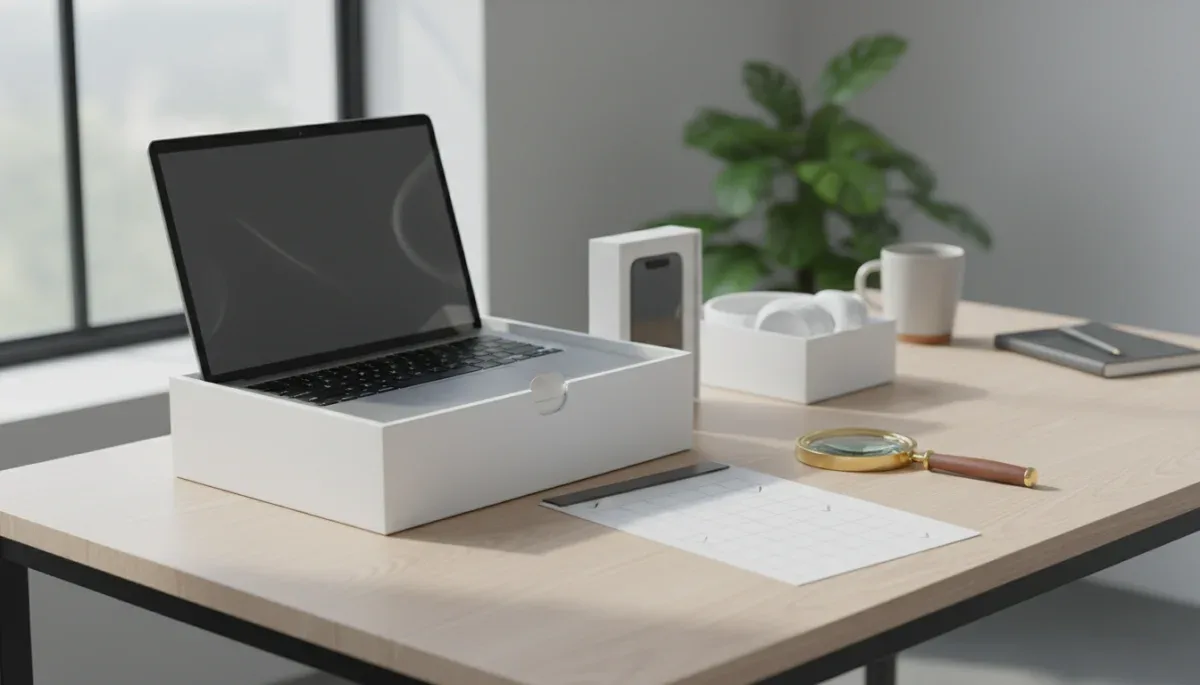
Buying refurbished electronics from major retailers offers a practical way to acquire dependable computers, smartphones, and audio gear at lower price points than brand-new retail stock. This purchasing route benefits cost-conscious shoppers who want modern hardware without paying introductory premiums, though it requires verifying grading standards, warranty coverage, and return policies before making a commitment.
Unlike used items sold directly by individual consumers, retail-refurbished devices generally undergo basic diagnostics, cosmetic cleaning, and repackaging before going back on sale. However, because each retailer maintains separate definitions for what constitutes an authorized refurbishment, shoppers must know how to inspect hardware and scrutinize product listings carefully.
Understanding retailer refurbishment tiers and grades
Retailers and online marketplaces categorize renewed inventory using distinct terminology that directly affects the cosmetic condition and operational life of the device. Direct manufacturer refurbishment programs, such as those operated by Apple or Dell, typically replace damaged exterior casings and supply brand-new batteries alongside original charging accessories. In contrast, third-party seller programs hosted on larger storefronts often classify items under letter grades or descriptive labels such as excellent, good, or acceptable.
Advertisement
A product marked in acceptable condition usually features noticeable scuffs, light screen scratches, or minor dents, whereas an excellent tier suggests minimal cosmetic wear visible from an arm's length. Functional performance across tiers is expected to meet baseline factory standards, but internal components such as rechargeable batteries may only retain a fraction of their original runtime capacity depending on the seller's minimum certification threshold.
Key factors in condition grading
- Manufacturer certified units include factory-grade parts and fresh outer shells.
- Tier one or excellent grades restrict cosmetic imperfections to faint hairline marks.
- Lower tiers permit visible chassis wear while maintaining core hardware functions.
- Included charging cables and adapters may be third-party replacements rather than original equipment.
Verifying warranty coverage and backing parties
The warranty attached to a refurbished electronic item represents the primary safety net against premature hardware failure. Shoppers should determine immediately whether the coverage comes directly from the original manufacturer, the retail platform itself, or a third-party warranty broker contracted by a marketplace merchant. Manufacturer-backed renewed warranties typically mirror standard limited retail protections, lasting anywhere from ninety days to a full calendar year.
Third-party refurbished warranties frequently involve separate claim processes that require shipping the item to an independent repair facility rather than an authorized brand depot. Reading the specific terms reveals whether the provider covers parts and labor, replaces defective units outright, or merely issues a prorated refund based on the purchase amount. At the time of writing, warranty periods and claim protocols differ significantly across retail platforms, making it vital to confirm active terms on the official product listing before checking out.
Evaluating return windows and restocking fees
A generous return window provides the necessary timeframe to stress-test renewed tech under normal daily working conditions. While new electronics often come with standard thirty-day return windows, clearance and refurbished electronics sometimes carry shorter return periods, occasionally limited to fourteen days depending on the retailer. Knowing the exact deadline prevents buyers from getting stuck with hardware that develops intermittent faults outside the trial period.
Return shipping policies and restocking fees also require close attention prior to purchase. Some platforms offer prepaid return shipping labels for any item failing to match its listing description, whereas standard remorse returns may incur deductions for return postage or warehouse handling. Keep all original shipping boxes, protective wraps, and bundled accessories intact until the device has passed every functional check, as missing packaging can invalidate an otherwise valid return request.
Critical return policy details
- Confirm whether the return timeline begins on the purchase date or delivery date.
- Check if return postage is covered by the merchant or deducted from the refund.
- Review whether cosmetic dissatisfaction qualifies for full reimbursement without fees.
- Ensure the retailer provides a simple online portal to generate return authorizations.
Essential hardware and battery health inspections
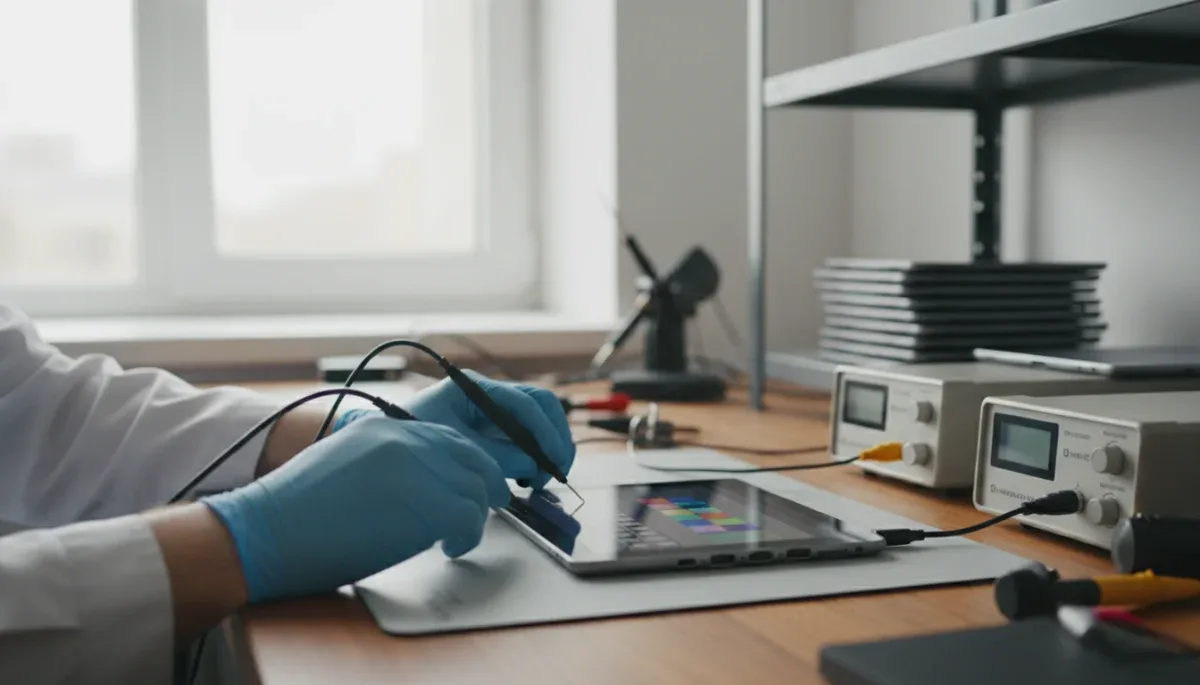
Once a refurbished device arrives, conducting immediate diagnostic evaluations helps catch underlying faults before return deadlines elapse. For battery-powered electronics such as laptops, tablets, and smartphones, verifying the current battery health percentage is the most critical initial step. Many certified programs guarantee a minimum battery capacity of eighty percent relative to original design limits, but non-certified third-party sellers occasionally ship units with degraded cells that require frequent recharging.
In addition to battery analysis, testing all physical connection ports, wireless radios, display uniformity, and built-in speakers is necessary. Plug peripheral cables into every USB, HDMI, and audio jack to ensure tight physical connections and uninterrupted data flow. Display diagnostic utilities or solid-color backgrounds make it easy to spot dead pixels, uneven backlighting, or touch-digitizer dead zones that standard cosmetic cleanings overlook.
Confirming account unlocking and serial number validity
A common risk when acquiring previously owned mobile devices and computers is encountering residual software locks tied to a previous owner or organization. Activation locks, remote management profiles, and carrier blacklists can render an otherwise pristine phone or laptop completely unusable. Legitimate refurbishment processes involve wiping internal storage and removing all cloud identification links, but administrative errors do occur in high-volume processing facilities.
Before transferring personal data or installing primary applications, power on the device and navigate through the initial out-of-box setup sequence without bypassing connection steps. Verify that the hardware accepts clean account sign-ins and that no corporate management prompts appear during network configuration. Additionally, run the serial number or international mobile equipment identity through official carrier or manufacturer check tools to verify that the unit is not flagged as lost, stolen, or subject to unpaid financial balances.
At a glance
| Factor | What to know |
|---|---|
| Grading tiers | Cosmetic wear varies by grade, while core features must function properly. |
| Warranty source | Coverage is provided by either original manufacturers, platforms, or third-party sellers. |
| Battery health | Inspect internal battery health immediately to ensure it meets promised capacity thresholds. |
| Software locks | Run initial network setups to verify absence of active cloud or enterprise locks. |
Frequently asked questions
Are refurbished electronics the same as used electronics?
Refurbished electronics differ from standard used items because they undergo inspection, testing, cleaning, and necessary repairs before resale. While used items are typically sold as-is by individuals, refurbished devices from major retailers come with formal cosmetic grading, standardized operational testing, and short-term warranty coverage.
Do refurbished devices come with original accessories?
Manufacturer-refurbished products usually include original accessories, whereas third-party renewed devices frequently ship with certified generic cables and chargers. The product listing details whether accessories are original brand components or compatible aftermarket equivalents that provide equal charging and data capabilities.
Can I purchase extended protection plans on refurbished tech?
Many major retail platforms allow buyers to add multi-year extended protection plans to refurbished electronics at checkout. These supplementary plans generally cover accidental damage, mechanical failure, and power surges after the initial included warranty expires, subject to the plan provider's formal terms.
What should I do if a refurbished item arrives locked?
If a device arrives locked to a previous user account or enterprise management system, initiate a return immediately through the retailer. Removing unauthorized activation locks requires original account credentials that third-party customer service teams cannot bypass, making an exchange or refund the correct solution.
The bottom line
Purchasing renewed tech provides substantial savings on dependable consumer hardware when approached with careful attention to retailer classifications. Prioritizing manufacturer-certified stock or reputable storefronts with clear return windows ensures you stay protected against hardware defects and unexpected cosmetic damage. Always inspect physical ports, display integrity, battery cycle counts, and account lock status within the first forty-eight hours of delivery to confirm the device matches its advertised specifications before the return period closes.
Written by
Mariana Viana
Mariana Viana writes about clothes for flowershein.com. Each article explains how things work, compares published details such as prices, policies and program rules, and points readers to the official source before they decide.