
How to choose pantry storage containers and check resin codes
Advertisement
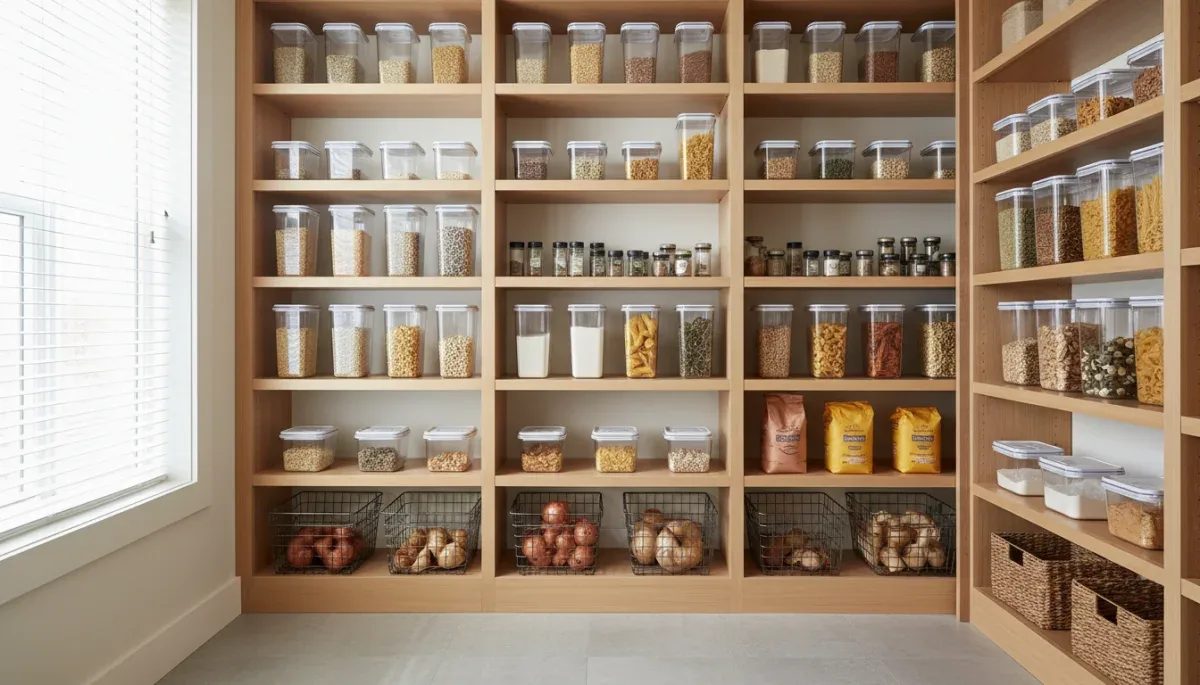
Choosing the right pantry storage containers comes down to matching the plastic resin identification code with your food type, verifying the quality of the airtight seal, and selecting shapes that maximize shelf volume. Taking a few moments to inspect the embossed numbers on the base of a canister ensures that your dry staples remain fresh, protected from pantry pests, and free from unwanted chemical leaching.
This guide helps budget-conscious shoppers make informed, safe choices when buying storage supplies at department stores, discount retailers, or online marketplaces. The primary challenge is that many inexpensive canisters look nearly identical on the outside, yet they perform very differently over time depending on the specific plastic polymers and gasket materials used during manufacturing.
Understanding plastic resin identification codes on storage bins
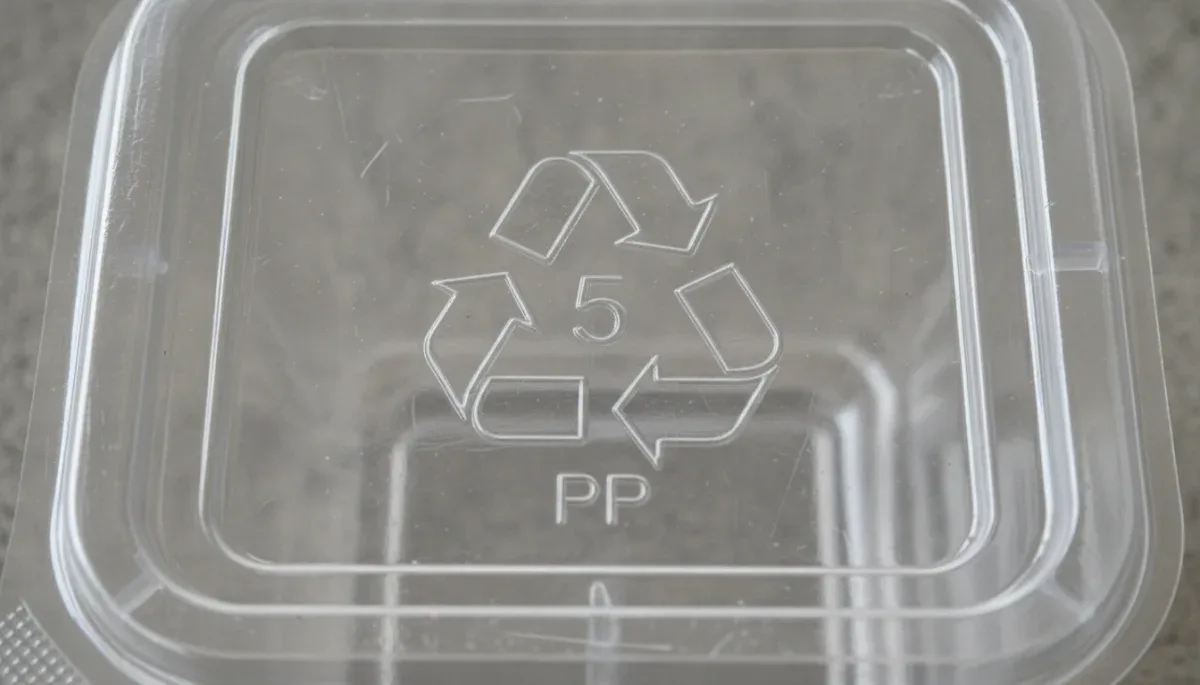
Every commercial plastic container manufactured in the United States features a resin identification code, originally established by the Society of the Plastics Industry in 1988 and currently administered by ASTM International under standard ASTM D7611. This code appears as an equilateral triangle of chasing arrows enclosing a number from one through seven, typically stamped directly onto the underside of the vessel. Many shoppers mistake this symbol for an automatic recycling guarantee, but its actual purpose is to identify the base resin from which the container was molded.
Advertisement
When selecting pantry storage containers, reading this number is the most reliable way to understand the physical and chemical limitations of the plastic. Because discount stores often sell private-label kitchen organizers sourced from multiple international factories, packaging labels can occasionally be vague or missing detailed specifications. Inspecting the raw resin code gives you objective information about temperature tolerance, rigidity, moisture resistance, and long-term food safety regardless of retail branding.
The U.S. Food and Drug Administration regulates plastics intended for contact with food under Title 21 of the Code of Federal Regulations. These rules ensure that substances migrating from the polymer into food do not exceed established safety thresholds under intended conditions of use. However, these regulations assume that consumers use each plastic type within its specific physical boundaries. Exposing a resin to excessive heat, washing it with abrasive detergents, or storing acidic contents in an incompatible polymer can cause structural degradation or odor retention.
Key markers to locate on container bases
- The triangular resin identification number indicating the primary polymer formula.
- The international cup-and-fork food contact symbol confirming compliance with food-safety standards.
- Embossed text specifying whether the vessel is safe for microwave heating, freezer storage, or top-rack dishwasher cycles.
- Notations indicating that the polymer was produced without bisphenol A, commonly marked as BPA-free.
The safest plastics for long-term dry food pantry storage
Not all plastic resins perform equally inside a kitchen cabinet, especially when storing grains, flours, sugars, and legumes for months at a time. The most suitable, stable, and widely recommended plastic for reusable pantry storage containers is polypropylene, designated by resin code 5 (PP). Polypropylene provides high chemical resistance, exhibits a high melting point around 320 degrees Fahrenheit, and resists moisture absorption. This makes code 5 canisters durable enough to survive repeated hot-water wash cycles without warping or clouding.
High-density polyethylene, labeled as resin code 2 (HDPE), is another exceptionally safe choice for bulk food management. Commonly used for commercial five-gallon food buckets, rigid cereal dispensers, and flour bins, HDPE is naturally semi-opaque, impact-resistant, and chemically inert. It does not degrade easily when exposed to moisture or natural food oils. Low-density polyethylene, or resin code 4 (LDPE), is softer and more flexible, making it ideal for container lids that require a snug friction fit rather than a rigid latching mechanism.
Resin code 1 (PET or PETE) is commonly found in lightweight, clear canisters sold in budget multipacks. While PET provides excellent clarity and serves as an effective barrier against oxygen and moisture, it has a lower heat distortion threshold. Washing PET containers in high-temperature dishwashers can warp the neck and ruin the seal. Resin code 6 (polystyrene) should generally be avoided for durable pantry use because it is brittle, prone to cracking when dropped, and absorbs volatile oils from spices and baking ingredients.
Comparing common pantry container resins
- Resin code 5 (Polypropylene): Highly durable, heat-tolerant, semi-clear to clear, and excellent for all dry goods.
- Resin code 2 (High-density polyethylene): Rigid, highly impact-resistant, opaque, and ideal for heavy bulk grains.
- Resin code 4 (Low-density polyethylene): Flexible, pliable, and predominantly used for snap-on lids and squeeze dispensers.
- Resin code 7 (Other / Polycarbonate / Tritan): Catch-all group where shoppers must verify explicit BPA-free labeling.
Evaluating container materials beyond everyday plastic
While plastic remains the most popular choice for budget-friendly kitchen organization due to its lightweight handling and shatter resistance, alternative materials offer distinct advantages depending on your pantry conditions. Soda-lime glass and borosilicate glass are completely non-porous materials that will never absorb strong aromas, leach plasticizers, or scratch during routine cleaning. Glass canisters are completely impermeable to atmospheric moisture and pantry moths, which makes them ideal for whole spices, loose teas, and specialty sugars.
The trade-off with glass is significant weight and fragility. In households with children or high overhead shelving, lifting heavy glass jars full of flour presents a safety risk. This is why premium plastic alternatives, such as Tritan copolyester, have gained popularity. Tritan is classified under resin code 7 because it is an engineered polymer, but unlike older polycarbonate plastics, it is manufactured without bisphenol A or bisphenol S. Tritan mimics the visual clarity of polished glass while offering extreme impact resistance, though it usually costs more than standard polypropylene.
Food-grade stainless steel canisters provide complete opacity, which protects light-sensitive pantry supplies such as whole-bean coffee, olive oil, and baking powder from photo-oxidation. When evaluating metallic storage options, verify that the interior surface uses 304-grade (also known as 18/8) stainless steel to prevent pitting or corrosion when storing acidic or salty dry mixes. For budget-conscious pantries, combining plastic canisters for everyday dry grains with a few dedicated glass or steel jars for odor-sensitive items creates a balanced, cost-effective storage system.
Airtight seals and pest prevention mechanics
A plastic container is only as effective as the seal that locks its perimeter. Pantry pests, such as Indian meal moths and sawtoothed grain beetles, can crawl through gaps as small as a fraction of a millimeter. Furthermore, exposure to ambient humidity causes dried baking staples to clump, accelerates the staling of cereal, and encourages mold growth. When inspecting pantry storage containers, examining the lid closure mechanism is just as crucial as inspecting the plastic resin code.
The most reliable airtight containers use a flexible elastomer gasket positioned inside a perimeter channel on the lid. Silicone is the gold standard for these gaskets because it maintains elasticity across wide temperature ranges and does not dry out, crack, or become brittle over time. When selecting budget bins, inspect whether the silicone gasket is removable. Removable gaskets allow for thorough cleaning, preventing fine flour dust and mold spores from accumulating in the recessed channels underneath.
Lid latching mechanisms generally fall into three structural categories: four-hinge locking tabs, top-mounted lever presses, and friction-fit push lids. Four-hinge latches apply uniform downward pressure across all four edges of the rim, creating a secure barrier that holds even if the container is knocked off a shelf. Lever-action and push-button lids expand an internal silicone ring outward against the interior walls of the canister. While convenient for one-handed operation, push-button mechanisms contain internal springs that can collect fine powder or weaken if submerged in wash water.
Essential seal features to inspect before buying
- A continuous, unjointed silicone or thermoplastic rubber gasket seated firmly inside the lid track.
- Mechanical latches that produce an audible, firm snap when locked over the container rim.
- Gaskets that can be easily removed with a dull butter knife for periodic washing and drying.
- A lid profile that prevents air intake when lifting the closed container by its top handle.
Maximizing pantry shelf space through modular design
Choosing containers is not merely a question of chemistry and seals; it is also a geometric exercise. Round canisters, such as traditional mason jars or cylindrical tins, create significant dead space on pantry shelves. Cylinder curves leave gaps between vessels where crumbs collect and shelf capacity is lost. For compact kitchens and standard cabinet depths of eleven to twelve inches, square and rectangular containers provide vastly superior space utilization, maximizing usable shelf volume by up to twenty-five percent.
Modular dimensions allow canisters of different capacities to stack securely on top of each other while maintaining an identical footprint. A reputable storage line typically designs its two-quart and three-quart containers on the same base dimensions, varying only in vertical height. This standardization allows you to double-stack smaller bins containing baking soda and cornstarch directly alongside taller containers containing bread flour and rolled oats, creating a flat, orderly top surface across your shelving.
When measuring your pantry, record the vertical clearance between shelves as well as the depth. Ensure that any stacked configuration leaves at least one inch of overhead clearance so you can retrieve a container without scraping the shelf above. Furthermore, look for lids with raised perimeter ridges. These molded lips nest into the recessed bottoms of compatible containers, preventing stacked units from sliding off when you reach for items toward the back of the cupboard.
Structural design factors that improve organization
- Straight vertical sidewalls rather than tapered designs that widen significantly at the top.
- Recessed lid geometry that interlocks with container bases to prevent stack slippage.
- Clear or transparent sidewalls that eliminate the need to open lids to verify remaining quantities.
- Uniform base footprints across multiple volume sizes for interchangeable shelf placement.
Cleaning, sanitizing, and maintaining container longevity
Proper maintenance dictates how many years your storage bins will last before developing cloudiness, scratches, or degraded seals. Even durable resin code 5 polypropylene and BPA-free Tritan containers can suffer cosmetic and functional damage if subjected to improper cleaning techniques. Highly abrasive scouring pads and aggressive bleaching agents can create microscopic scratches on the interior walls. These tiny fissures harbor bacterial residue, trap pungent food odors, and degrade container clarity.
Always wash newly purchased containers in warm water with mild dish soap before filling them with food. If using a residential dishwasher, place clear plastic canisters exclusively on the top rack. The heating elements in electric dishwashers are located at the bottom of the tub, and the radiant heat generated during the drying cycle can easily exceed the heat deflection temperature of resin code 1, 6, and thin-gauge code 5 plastics, causing lids to warp and lose their airtight fit.
Before snapping the lid onto a freshly washed container, ensure that both the plastic body and the silicone gasket are entirely dry. Sealing even a tiny drop of residual moisture inside an airtight canister full of flour, sugar, or rice can trigger fungal spoilage and ruin your staples. For canisters that have retained strong aromas from previous contents like ground cumin or garlic powder, soak the vessel in a solution of warm water and baking soda for several hours rather than using harsh chemical sanitizers.
At a glance
| Factor | What to know |
|---|---|
Frequently asked questions
Are resin code 7 plastics safe for pantry dry goods?
Yes, resin code 7 plastics are safe if labeled BPA-free, such as modern Tritan copolyester. Code 7 is simply an unclassified category for specialty resins. Always check for explicit food-grade markings, and avoid older, unlabeled polycarbonate vessels that might contain bisphenol A.
Can pantry pests chew through plastic storage containers?
No, standard household pantry pests cannot chew through rigid plastic containers made from resin codes 2, 5, or 7. Insects easily penetrate thin plastic bags, cardboard boxes, and paper wrappers, but solid plastic walls create an impenetrable physical defense against infestation.
How do I know if a container seal is truly airtight?
Press down firmly on the center of the locked lid or squeeze the container walls lightly. If the container resists compression and you do not hear air hissing out from the rim, the silicone gasket has formed an effective, continuous airtight seal.
Can I put plastic pantry containers in the microwave?
Only put containers in the microwave if they feature explicit microwave-safe symbols or text. Resin code 5 polypropylene is generally microwave-safe, but thin plastics and airtight lids should never be heated, as pressure build-up and extreme heat can melt the plastic.
The bottom line
Investing in reliable pantry storage containers protects dry ingredients from spoilage, keeps destructive pests out of your cupboards, and brings lasting order to kitchen shelves. Focus on square or rectangular canisters molded from resin code 5 polypropylene or BPA-free copolyester, and ensure that every lid features a thick, removable silicone gasket. Before purchasing a multipack online or at a discount store, inspect the base for official food-safe icons and verify that the dimensions match your pantry shelf clearance.
Written by
Rita Lima
Rita Lima writes about clothes for flowershein.com. Each article explains how things work, compares published details such as prices, policies and program rules, and points readers to the official source before they decide.