
How FTC hidden fee regulations change online checkout totals
Advertisement
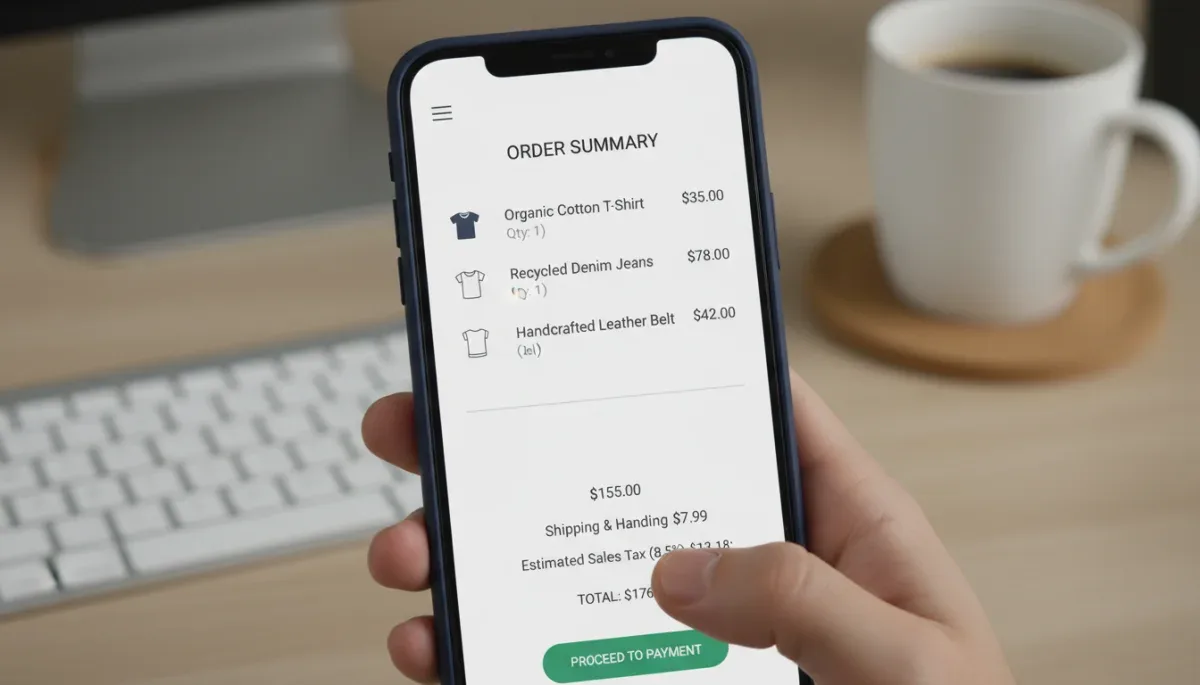
Federal Trade Commission regulations targeting unfair and deceptive fees require retailers to present the full mandatory cost of an item before a customer begins the checkout process. This policy protects everyday digital consumers who have long dealt with sudden markups, mandatory handling charges, and unexpected processing fees added at the final payment screen.
These rules primarily assist budget-conscious shoppers who compare prices across competing digital storefronts, though buyers must still account for variable costs such as local sales taxes and standard shipping fees that fluctuate based on geographic delivery destination. Understanding these legal standards helps buyers recognize when an online merchant is following federal transparency guidelines and when a final invoice violates regulatory requirements.
What the FTC hidden fee rules require from digital merchants
Under the Federal Trade Commission framework addressing unfair or deceptive fees, merchants must disclose the total mandatory price of a product or service upfront. In regulatory terms, this standard is commonly referred to as all-in pricing, which dictates that any mandatory charge must be integrated into the initially displayed retail price rather than broken out as an unavoidable surcharge later.
Advertisement
Before these federal measures were formally codified, online storefronts frequently separated mandatory operational costs from advertised sticker prices to make products appear artificially cheaper in comparison search engines. Under the revised framework, an online seller cannot advertise an article of clothing for twenty dollars if the company requires every purchaser to pay an unavoidable two-dollar order processing fee or platform maintenance fee. If the consumer cannot decline the fee, the starting listed price must simply be twenty-two dollars.
Core transparency principles mandated by federal regulators
- Upfront disclosure: Merchants must display the total price before requesting any billing or shipping information from the shopper.
- Exclusion of mandatory surcharges: Mandatory fees cannot be excluded from the initial product catalog price.
- Clear explanation of nature and purpose: Any optional charges must state plainly what benefit they provide before the customer opts in.
- Refundability terms: The retailer must disclose whether added fees are refundable if an order is returned or canceled.
By compelling retail businesses to roll unavoidable overhead expenses directly into the headline figure, federal regulators aim to eliminate bait-and-switch pricing tactics across domestic digital marketplaces.
How drip pricing practices alter final shopping cart totals
The primary marketing behavior addressed by these regulations is drip pricing, a sales technique where an online merchant reveals incremental fees as the shopper advances through successive steps of the purchasing funnel. Digital retailers have historically used drip pricing because psychological studies and market research indicate that consumers are significantly less likely to abandon an order once they have invested time entering personal addresses and payment credentials.

In standard drip pricing scenarios, a customer adds an item to their basket at a low base price, proceeds to enter their contact information, and only discovers additional service charges, regulatory recovery fees, or warehouse handling costs on the final review page. These unexpected additions can inflate the total cost of an inexpensive apparel order or household supply basket by ten to twenty percent without providing any tangible increase in product value.
Federal Trade Commission enforcement treats drip pricing as an unfair trade practice under Section 5 of the FTC Act because it distorts consumer comparison shopping. When base prices do not reflect true final costs, consumers cannot make informed purchasing decisions between competing retail platforms, leading to economic inefficiency and unintended overspending.
Distinguishing mandatory charges from optional checkout add-ons
A vital distinction under federal regulations lies between fees that are mandatory and those that are strictly optional. Merchants retain the legal right to present optional upgrades and auxiliary services during checkout, provided those choices require express, affirmative consent from the buyer rather than pre-selected checkmarks.
Common optional checkout selections include package protection insurance, expedited handling, gift wrapping, and carbon offset contributions. While retailers may promote these services during the transaction, the regulations prohibit deceptive design choices, often called dark patterns, which automatically add these items into the cart or make declining them unnecessarily confusing.
Rules governing elective checkout options
- No pre-checked selection boxes: Retailers cannot pre-select optional insurance or donations that require a buyer to actively uncheck them.
- Transparent pricing for add-ons: The exact dollar cost of any elective add-on must be displayed immediately alongside the offer.
- Neutral opt-out phrasing: Declining an elective add-on must use neutral, objective language without manipulative guilt framing.
If an online merchant adds shipping protection into your total by default without an affirmative click on your part, that action conflicts with regulatory standards regarding negative option billing and hidden checkout additions.
How standard shipping costs and state sales taxes fit into price totals
Federal hidden fee rules do not mandate that every retail catalog display a single universal figure that includes delivery and taxes, because these two components depend entirely on external variables that cannot be calculated until the shopper identifies where the parcel will be delivered.
Government sales taxes are collected on behalf of state and municipal jurisdictions, meaning a merchant cannot accurately calculate statutory tax until the customer submits their shipping postal code. The FTC rules explicitly exempt legitimate government-imposed taxes from upfront baseline prices, provided the retailer calculates and displays those statutory taxes clearly before final transaction confirmation.
Similarly, standard shipping charges represent a variable cost based on transit distance, package weight, and carrier delivery speed. However, while delivery costs can be calculated after the address is entered, the retailer cannot call a fee a shipping cost if it actually represents internal order fulfillment or inventory handling. Any operational cost that the merchant controls and applies uniformly across all orders must be factored into the base item price rather than packaged as an inflated handling fee.
Impact of transparency rules on fast-fashion and discount marketplaces
Discount marketplaces and overseas cross-border sellers that ship apparel and budget electronics into the United States face significant operational adjustments under federal fee transparency initiatives. These retail platforms frequently rely on low advertised prices to attract high-volume impulse purchases, occasionally utilizing complex fee breakdowns at checkout to offset overseas logistics and credit card processing expenses.
Under strict compliance standards, overseas storefronts that market directly to United States consumers cannot advertise clothing items for nominal prices and then insert non-negotiable international administrative fees or payment processing charges on the terminal billing page. If an overseas seller requires an administrative surcharge to fulfill an order, that figure must be embedded in the product catalog price.
Furthermore, merchants that handle direct-to-consumer imports must clearly communicate any customs or border handling costs before completing transactions. If a consumer risks incurring secondary delivery fees from a carrier upon delivery, the platform must disclose that eventuality clearly prior to payment, preventing surprise doorstep invoices.
Red flags to watch for when completing an online purchase
Even with rigorous federal oversight, shoppers should remain vigilant and inspect their final checkout screens carefully before authorizing credit card charges or completing digital wallet transactions. Certain website configurations continue to push regulatory boundaries through obscure fee categorization.
If you observe a fee labeled as platform access, checkout convenience, order processing, or regulatory compliance on your order review screen, examine whether this fee was disclosed when you first placed the item in your cart. If these fees appear out of nowhere and offer no optional toggle, the merchant may not be complying with current federal consumer protection expectations.
Consumers who encounter mandatory hidden fees during online checkout can submit formal consumer reports directly through the Federal Trade Commission reporting portal at ReportFraud.ftc.gov. While the regulatory agency does not resolve individual billing disputes on behalf of single consumers, cumulative reporting enables federal investigators to target non-compliant merchants, initiate enforcement proceedings, and seek civil penalties against systemic deceptive pricing operations.
At a glance
| Pricing element | What to know under federal rules |
|---|---|
| Mandatory service fees | Must be included in the initial product listing price rather than added at checkout. |
| Shipping and handling | Actual postal delivery costs can vary by address, but internal handling fees cannot be hidden. |
| Optional purchase add-ons | Cannot be pre-selected in your cart and require affirmative consent from the shopper. |
| Government sales tax | Exempt from initial item prices but must be calculated accurately before final authorization. |
Frequently asked questions
Can online stores still charge for package protection?
Yes, retailers may offer package protection insurance, but it must be entirely optional. Merchants cannot automatically add shipping insurance to your cart through pre-checked boxes or make choosing it mandatory for order completion without including that charge in the advertised base price.
Are online shipping fees required to be free under these regulations?
No, the FTC does not mandate free delivery or set caps on postal carrier rates. Retailers may charge for transport, but the fees must reflect actual delivery services rather than concealed business overhead costs added without prior notice.
What should I do if a store adds a surprise processing fee?
You should review the store terms to see if the fee is optional and decline it if possible. If the charge is mandatory and was not disclosed on the product page, consider buying elsewhere and report the business to the FTC.
Do these federal rules apply to overseas discount platforms shipping to the United States?
Yes, foreign merchants that direct their commercial activities to United States residents must abide by federal consumer protection laws. Any mandatory fee applied to an order delivered to a domestic address must comply with FTC transparency standards.
The bottom line
Federal hidden fee rules are designed to ensure that the price you see on an online catalog matches the total you actually pay, preventing retailers from surprising you with unexpected operational fees at the final payment screen. While legitimate variable expenses like municipal sales taxes and selected shipping speeds will still adjust your final invoice, all non-negotiable costs must be transparent from the very beginning. Before you enter payment information on any retail website, always review the itemized checkout breakdown to confirm that no unapproved fees or pre-checked services were added to your order.
Written by
Lucas Bastos
Lucas Bastos writes about clothes and house for flowershein.com. Each article explains how things work, compares published details such as prices, policies and program rules, and points readers to the official source before they decide.