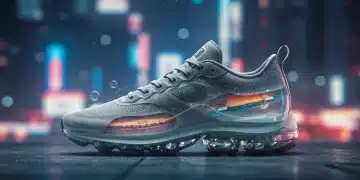
Innovative Fabrics Revolutionizing Activewear in 2026

The latest developments on innovative activewear fabrics revolutionizing activewear in 2026 for enhanced performance, with key facts, verified sources, and what readers need to monitor next in the United States, presented clearly in English (United States).
Innovative activewear fabrics are poised to redefine athletic performance and everyday comfort by 2026. This report delves into three groundbreaking materials set to revolutionize the activewear market, offering a comprehensive look at their properties, applications, and the broader implications for the fashion and sports industries.
As consumer demand for high-performance, sustainable, and comfortable athletic apparel continues to grow, manufacturers are investing heavily in research and development. These new fabrics represent a significant leap forward, addressing critical needs such as moisture management, durability, and environmental impact.
The unveiling of these next-generation textiles signals a shift towards more intelligent and eco-conscious design within the activewear sector. We will explore how these innovations will shape future collections and influence consumer choices in the coming years.
The Rise of Smart Textiles in Activewear
The activewear industry is experiencing a paradigm shift, moving beyond basic functionality to embrace smart textiles that offer integrated technologies. These innovations are not just about aesthetics but fundamentally enhance the wearer’s experience and performance.
This evolution is driven by advancements in material science and a growing understanding of biomechanics and human physiology. The goal is to create garments that adapt to the body and environment, providing optimal conditions for any activity.
The integration of smart features, from advanced thermal regulation to embedded sensors, marks a new era in athletic apparel. This focus on intelligent design is central to the future of innovative activewear fabrics.
Redefining Performance with Adaptive Fibers
Adaptive fibers are at the forefront of this revolution, designed to respond dynamically to external stimuli such as temperature and moisture. These materials can expand or contract, open or close pores, to regulate body temperature more effectively than traditional fabrics.
This capability ensures that athletes remain comfortable and perform optimally in a wider range of conditions, reducing the need for multiple layers or specialized gear. The ability of these fabrics to adapt in real-time is a game-changer for athletic apparel.
- Enhanced thermoregulation for diverse climates.
- Superior moisture management, keeping skin dry.
- Reduced bulk and increased freedom of movement.
Integrating Biometric Monitoring
Beyond thermal regulation, some innovative activewear fabrics are incorporating biometric monitoring capabilities directly into the textile. This allows for seamless tracking of vital signs, such as heart rate and respiration, without the need for additional wearables.
Such integration provides athletes and fitness enthusiasts with real-time data, enabling more informed training decisions and health insights. The subtlety and comfort of these embedded systems are key to their appeal.
- Discrete and comfortable health data collection.
- Real-time performance metrics for optimized training.
- Potential for early detection of physiological changes.
Sustainable Innovations: Eco-Conscious Activewear Materials
Sustainability is no longer a niche concern but a core pillar of product development within the activewear market. The industry is actively seeking materials that minimize environmental impact throughout their lifecycle, from production to disposal.
This push towards eco-friendly alternatives is driven by consumer demand and increasing regulatory pressures. Brands are recognizing that responsible manufacturing practices are crucial for long-term success and brand reputation.
The focus on sustainable innovative activewear fabrics represents a commitment to a healthier planet while still delivering high-performance products. These materials offer a compelling blend of ethical responsibility and functional excellence.
Recycled and Upcycled Performance Fabrics
The use of recycled and upcycled materials is gaining significant traction, transforming waste into valuable resources. Post-consumer plastic bottles, fishing nets, and textile scraps are being re-engineered into high-quality performance fibers.
These processes not only divert waste from landfills and oceans but also often require less energy and water compared to virgin material production. The resulting fabrics maintain the stretch, durability, and moisture-wicking properties essential for activewear.
Brands like Patagonia and Adidas have been pioneers in this space, demonstrating that performance does not have to be sacrificed for sustainability. The adoption of recycled content is becoming a benchmark for eco-conscious innovative activewear fabrics.
Bio-based and Biodegradable Textiles
Another significant advancement lies in bio-based and biodegradable textiles, derived from natural sources such as plants or fungi. These materials offer a renewable alternative to petroleum-based synthetics, reducing reliance on fossil fuels.
Furthermore, biodegradable options address the end-of-life challenge of textiles, breaking down naturally without contributing to microplastic pollution. This represents a full-circle approach to sustainable material development.
Innovations in this area include fabrics made from corn, castor beans, and even algae, offering diverse properties suitable for various activewear applications. These materials are crucial for the long-term viability of sustainable innovative activewear fabrics.
Advanced Comfort and Durability: The Next Generation
While performance and sustainability are paramount, comfort and durability remain non-negotiable for activewear consumers. The next generation of fabrics is engineered to provide an unparalleled tactile experience and withstand the rigors of intense activity and frequent washing.
Breakthroughs in fiber technology and weaving techniques are leading to materials that feel softer against the skin, minimize chafing, and retain their shape and integrity over time. This focus on user experience is driving significant innovation.
These advancements ensure that activewear not only performs exceptionally but also remains a comfortable and long-lasting investment for the consumer. The fusion of comfort and durability is a hallmark of truly innovative activewear fabrics.
Ultra-Lightweight and Seamless Construction
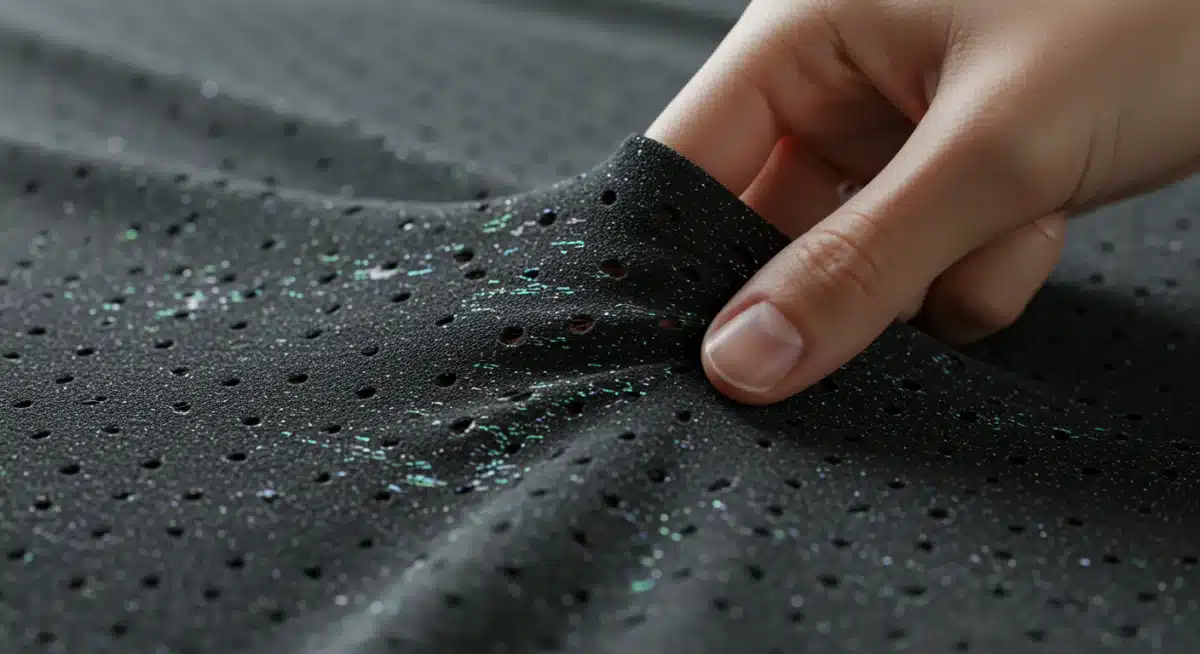
The pursuit of ultra-lightweight and seamless activewear is leading to novel fabrication methods that reduce garment weight and eliminate uncomfortable seams. Techniques like circular knitting and body mapping are allowing for garments that feel like a second skin.
This construction minimizes friction and maximizes comfort, particularly during high-intensity workouts where every detail matters. The absence of seams also contributes to a cleaner aesthetic and often enhances durability by removing points of weakness.
The development of these construction methods goes hand-in-hand with the creation of innovative activewear fabrics, allowing for the full potential of these materials to be realized. Seamless technology is a key differentiator in the premium activewear market.
Enhanced Abrasion Resistance and Shape Retention
Durability is a critical factor for activewear, as garments are subjected to harsh conditions and frequent use. New fabrics are being developed with significantly enhanced abrasion resistance, preventing pilling and wear-and-tear.
Alongside this, advanced elastic fibers and core-spun technologies ensure superior shape retention, preventing garments from stretching out or losing their fit after repeated washes and wears. This longevity offers better value for consumers.
These improvements mean activewear can withstand the demands of various sports and activities, from trail running to weightlifting, without compromising on performance or appearance. Investing in innovative activewear fabrics means investing in enduring quality.
Impact on the Activewear Market in 2026 and Beyond
The introduction of these innovative activewear fabrics will profoundly impact the market landscape by 2026. Consumers can expect a wider array of technically advanced and environmentally responsible product options, pushing brands to innovate further.
Smaller, agile brands may find opportunities to differentiate themselves by quickly adopting these new materials and technologies. Established brands, in turn, will need to adapt their supply chains and manufacturing processes to remain competitive and meet evolving consumer expectations.
This surge in material innovation will not only elevate performance standards but also reshape consumer perceptions of activewear, moving it closer to high-tech gear than mere clothing. The future of activewear is intrinsically linked to the continued development of innovative activewear fabrics.
Consumer Expectations and Market Trends
Consumers are increasingly sophisticated, demanding more than just basic functionality from their activewear. They seek products that offer a combination of performance, style, comfort, and ethical production.
The availability of innovative activewear fabrics that tick all these boxes will drive purchasing decisions and foster brand loyalty. Transparency in sourcing and manufacturing will become a significant competitive advantage for brands.
Market trends will undoubtedly lean towards smart, sustainable, and highly durable activewear, making these new materials essential for brands looking to capture market share. The demand for innovative activewear fabrics will only intensify.
Manufacturing Challenges and Opportunities
While these new fabrics present immense opportunities, they also bring manufacturing challenges. Adapting existing production lines, investing in new machinery, and training skilled labor will be crucial for successful adoption.
However, early adopters stand to gain a significant competitive edge, positioning themselves as leaders in innovation and sustainability. Collaborations between material scientists, designers, and manufacturers will be key to overcoming these hurdles.
The shift towards these advanced materials will necessitate a re-evaluation of traditional manufacturing practices, fostering a more integrated and technologically driven approach to producing innovative activewear fabrics.
| Key Innovation | Brief Description |
|---|---|
| Adaptive Fibers | Materials that dynamically adjust to temperature and moisture for optimal comfort. |
| Sustainable Textiles | Recycled, upcycled, and bio-based fabrics reducing environmental impact. |
| Enhanced Durability | Fabrics designed for superior abrasion resistance and shape retention. |
| Seamless Construction | Minimizes friction and maximizes comfort through advanced knitting techniques. |
Frequently Asked Questions About New Activewear Fabrics
The primary benefits include enhanced performance through adaptive thermoregulation and moisture management, significant strides in sustainability via recycled and bio-based materials, and superior comfort and durability for a better user experience. These innovative activewear fabrics are set to transform the market.
Sustainable activewear fabrics significantly reduce environmental impact by diverting waste from landfills, minimizing reliance on virgin petroleum resources, and often using less water and energy in production. Biodegradable options also address the issue of textile waste at end-of-life, making them truly innovative activewear fabrics.
Initially, some of these advanced innovative activewear fabrics may come with a higher price point due to research and development costs and specialized manufacturing processes. However, as production scales and technology advances, prices are expected to become more competitive, making them accessible to a wider audience.
While some early prototypes and limited releases may appear sooner, the widespread integration and commercial availability of these innovative activewear fabrics are projected for 2026. This timeline allows for further refinement, scaling of production, and integration into major brand collections across the United States.
These innovations will set new industry standards for performance, sustainability, and comfort, driving competition and fostering further research. Brands will need to adapt quickly to meet evolving consumer expectations for advanced, eco-friendly, and durable activewear, making innovative activewear fabrics a cornerstone of future collections.
Looking Ahead: The Future of Activewear
The unveiling of these three innovative activewear fabrics in 2026 marks a pivotal moment for the industry. These advancements signify a future where activewear is not just clothing but an integral part of an athlete’s performance and a consumer’s sustainable lifestyle.
The ongoing developments underscore a commitment to pushing boundaries in material science, balancing high functionality with environmental responsibility. This evolution will continue to shape how we perceive and interact with our athletic apparel.
Monitoring the integration of these materials into mainstream collections and observing consumer adoption rates will be crucial indicators of their long-term success and broader impact on the global fashion landscape. The trajectory for innovative activewear fabrics is undeniably upward.