
Why online stores charge mail return processing fees
Advertisement
Online retailers are introducing mail return processing fees because the combined costs of return shipping, manual inspection, and warehouse processing have become unsustainable for e-commerce profit margins. This shift helps businesses recover direct operational expenses on shipped parcels, but it forces everyday shoppers to pay out of pocket whenever an item does not fit or match expectations.
For more than a decade, retail brands treated free return shipping as a customer acquisition expense to convince hesitant buyers to order apparel and goods online without trying them on first. That marketing model created a consumer habit where buying multiple sizes and colors became standard practice. Today, rising fuel charges, third-party carrier rate increases, and inventory depreciation have pushed merchants to reconsider blanket free mail returns, replacing them with flat return deductions taken directly from the customer refund.
The hidden mechanics of reverse logistics
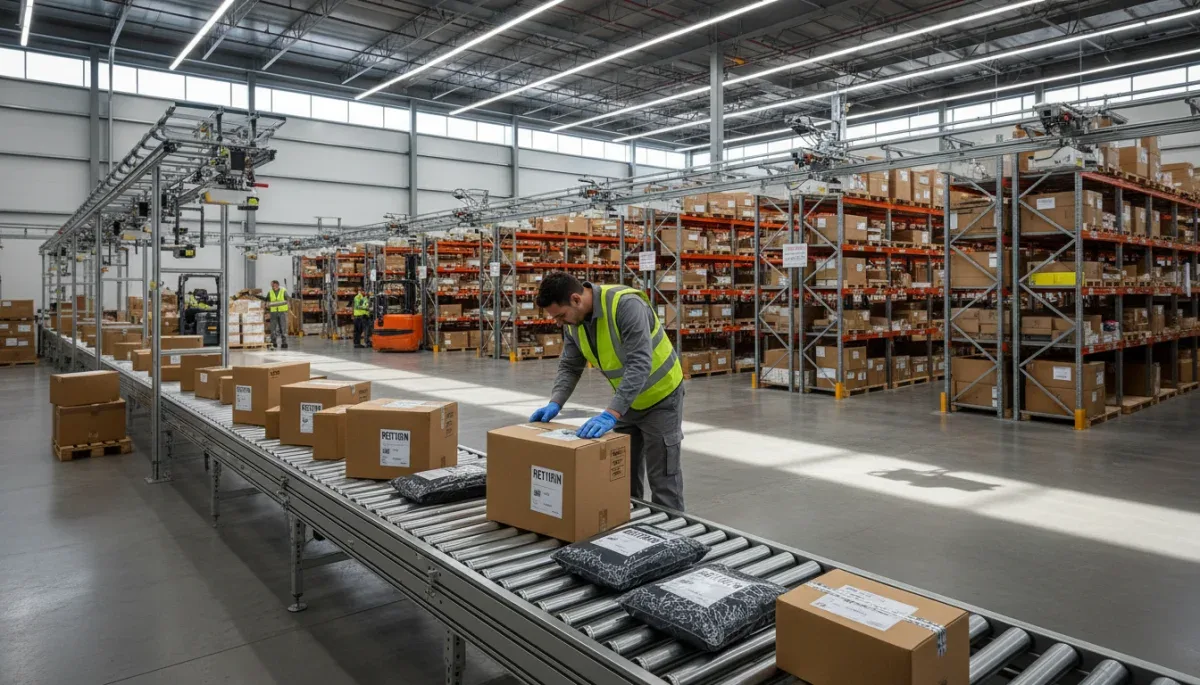
When a customer orders an item, forward shipping is a predictable, streamlined process where thousands of identical goods move from central distribution centers to residential delivery addresses. Reverse logistics, the technical term for moving a purchased good backward from the consumer to the merchant, operates under entirely different economic rules. Each returned parcel arrives individually, often with damaged external packaging, missing tags, or incorrect documentation, requiring individual handling from warehouse workers.
Advertisement
A returned parcel does not simply slide back onto an active storage shelf. Once a distribution hub receives a return box, a worker must open the package, scan the tracking identifier, verify that the contents match the packing slip, and inspect the product for signs of wear, makeup stains, perfume odors, or physical damage. If the product passes inspection, staff must steam, refold, repackage, and relabel the unit before it becomes available for resale on the retailer website. When goods fail this intake check, companies either route them to secondary liquidators for pennies on the dollar or write them off entirely as unsellable waste.
These labor-intensive stages create substantial overhead costs that exceed the original cost of outbound delivery. Transportation companies also assess residential pickup surcharges, dimensional weight charges, and fuel adjustments on return labels. Because online merchants cannot automate the evaluation of opened clothing or home decor items, labor expenses increase with every package returned through the postal system. Adding mail return processing fees allows brands to offset a portion of these handling and freight expenses rather than absorbing the entire loss internally.
How shopping habits transformed return volumes
The widespread adoption of free returns caused a significant change in how Americans shop online, particularly across the apparel, footwear, and home furnishings sectors. Without financial friction attached to sending items back, consumers adopted shopping behaviors that significantly inflated overall return rates compared to traditional brick-and-mortar storefronts.
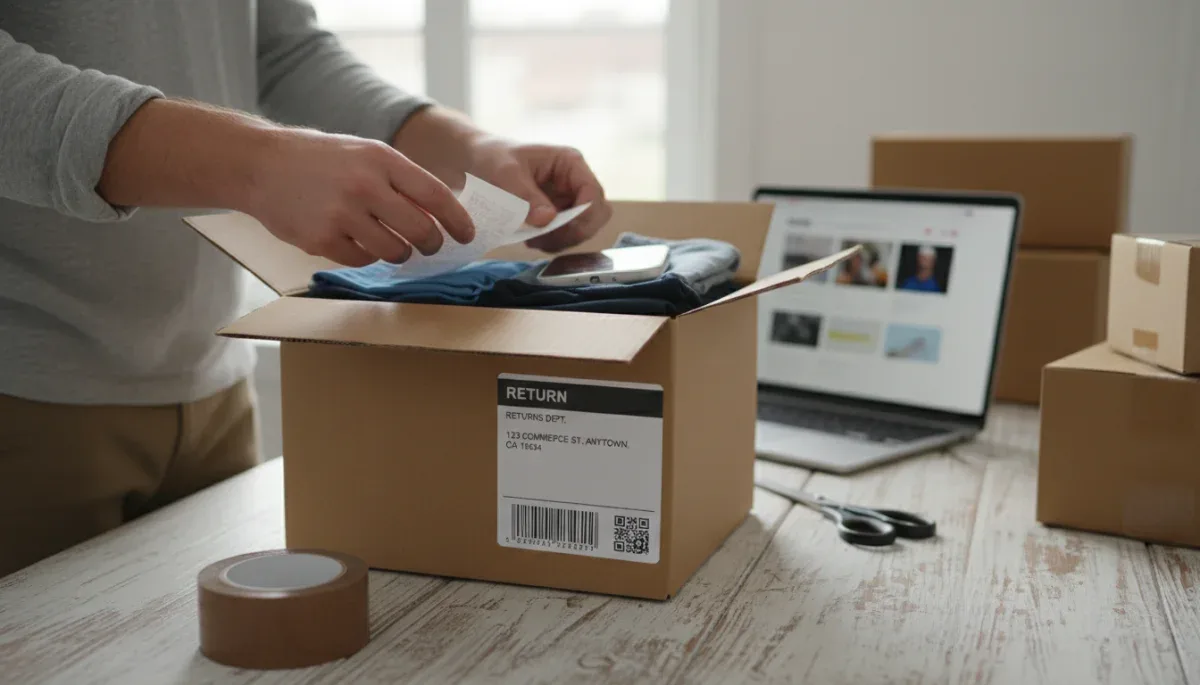
One of the most common habits driving this volume is known in the retail industry as bracketing. Bracketing occurs when a shopper buys three different sizes or colors of the exact same garment with the deliberate intention of keeping only one and returning the others. While this practice provides convenience for the buyer at home, it effectively triples the transportation footprint and handling costs of a single completed sale. Another related trend is wardrobing, where consumers purchase specialty apparel for a single social event or digital photograph and subsequently ship it back for a full refund.
Behaviors that increased processing overhead
- Size bracketing: Ordering adjacent sizes of identical garments to determine personal fit at home, guaranteeing multiple returns per transaction.
- Impulse bulk purchasing: Adding promotional items to carts to reach free shipping minimums with the goal of returning the unwanted filler items later.
- Delayed mail-backs: Holding parcels until the final days of an extended return window, causing seasonal merchandise to miss its primary selling period.
These collective behaviors created a scenario where clothing return rates reached levels between twenty and thirty percent for many online-only catalog brands. When nearly one out of every three items sold travels back through the postal network, the traditional pricing model breaks down. Retailers that previously absorbed return postage discovered that generous policies were subsidizing high-volume return habits at the expense of general operating stability.
Inventory depreciation and seasonal markdown losses
Time is one of the most critical factors in retail profitability, especially for fast-fashion labels and seasonal trend collections. Every day a returned garment spends sitting in a customer closet, traveling in a freight trailer, or waiting in an intake queue represents lost selling potential. By the time a winter coat or holiday dress returns to active warehouse inventory, the demand window may have closed, forcing an immediate price markdown.
Fashion brands operate on strict seasonal calendars with product turn cycles that last only a few weeks. If an item takes two weeks for the customer to send back, another week in parcel transit, and several business days for warehouse inspection, nearly a full month of prime selling time vanishes. During that interval, the retailer may have already initiated promotional sales or seasonal clearances across that product line. When the returned item finally restocks, it must be sold at a deep discount, eliminating any profit margin that existed on the original production run.
In addition to markdown risks, inventory tied up in return transit creates forecasting errors for merchant planning teams. If thousands of units of a popular blouse are in return transit across the country, inventory management software may indicate out-of-stock statuses when stock actually exists. Retailers may order excess replenishment stock or lose immediate sales from shoppers who see an unavailable notice on the product page. Applying mail return processing fees discourages casual, low-intent orders, ensuring that inventory remains in active circulation where paying customers can buy it immediately.
The split between store drop-offs and mail returns
A noticeable pattern in updated store policies is that many omnichannel retailers charge fees for mail-in returns while keeping in-person store returns entirely free. Brands with physical storefronts deliberately use return fee structures to steer foot traffic away from carrier drop boxes and into their local retail locations.
In-store returns offer major cost advantages for companies with existing retail space. When a customer brings an item back to a physical register, store employees can inspect the garment instantly, verify its condition, remove it from the transaction, and place it directly onto a sales rack within minutes. This completely bypasses individual shipping labels, parcel boxes, and separate logistics centers. The merchandise stays in active stock for local shoppers, preserving full price recovery without extra transportation freight.
Beyond logistics savings, in-store drop-offs generate new sales opportunities for the merchant. A shopper walking into a store to return a pair of pants often browses adjacent displays, tries on alternatives, or exchanges the item for a different size immediately. Foot traffic often converts into an immediate secondary purchase that preserves the company revenue from that customer visit. By contrast, a mailed package is a pure debit transaction that costs money to receive and offers no opportunity for immediate retail discovery.
How published retailer return fees actually work
Mail return policies vary widely across retail brands, but most companies handle the cost through an automatic deduction from the customer issued refund. Instead of charging an upfront fee when you initiate the return online, the merchant subtracts a published handling amount from your store credit or original payment method once the parcel arrives and passes warehouse inspection.
At the time of writing, several major apparel brands operating in the United States have established clear fee schedules for postal returns. For example, international fashion brand Zara charges a flat fee of $3.99 to return items by mail, deducted directly from the refund total, while returns made at physical Zara stores remain free. Similarly, retailer H&M assesses a $5.99 return fee on mailed parcels for standard shoppers, though members of its loyalty program who achieve higher spending tiers can qualify for fee waivers. Department store chains like Dillard's deduct $9.95 for using their prepaid mail return labels.
Standard fee structures used across the industry
- Flat label deductions: A set rate, typically between four and ten dollars, subtracted from the final refunded balance regardless of how many items are inside the package.
- Per-item restocking charges: Fees assessed on each individual item, common in bulky furniture categories or specialized consumer electronics.
- Third-party consolidation counters: Lower fees or free processing when dropping unboxed parcels off at partnered logistics networks like Happy Returns or local package hubs.
- Loyalty tier exemptions: Free mail processing reserved strictly for members of store membership programs or holders of private-label store credit cards.
Consumers should review policy pages carefully prior to completing checkout. Some platforms charge per return shipment label, meaning that if an order arrives in two separate packages and requires two distinct return mailers, the customer could face two separate fee deductions. Checking whether a store requires single-box consolidation is an easy way to protect your final refund amount.
Practical ways shoppers can avoid return fees
While mail return processing fees are becoming the norm among online apparel and home goods stores, shoppers can use practical purchasing habits to protect their household budgets. Understanding brand policies before placing an order allows buyers to avoid unexpected deductions when an item fails to work out.
The most direct way to eliminate mail return expenses is using local store return options whenever available. If an online brand operates a storefront within your regular driving or transit routine, taking the parcel to the register guarantees a full refund without postage penalties. Many brands without their own dedicated storefronts now partner with third-party return consolidation networks located inside neighborhood shopping centers, grocery stores, and shipping annexes. These drop-off counters scan QR codes on your smartphone, accept items without boxes or printed labels, and process refunds without postal fees.
Another reliable strategy involves taking advantage of brand loyalty programs. Many retailers reserve free mail return perks for members who create a free account on their website. In some cases, opting into basic email or app rewards programs removes standard return fees entirely. Before checking out as a guest, check the retailer member benefits page to see if signing into an account protects you from future return deductions.
Finally, reducing ordering uncertainty lowers the need for returns in the first place. Checking published garment measurements instead of generic size letters, reading customer reviews regarding fabric stretch, and asking customer service representatives about product details helps ensure items fit on the first try. When buying from unfamiliar retailers with strict return fees, ordering a single item first to verify brand sizing is far more economical than ordering multiple sizes at once.
At a glance
| Return factor | What to know |
|---|---|
| Average fee range | Most major apparel retailers deduct between $3.99 and $9.95 per mailed package from the issued refund. |
| In-store drop-offs | Nearly all national retailers with physical storefronts continue to accept in-person returns without any processing fees. |
| Loyalty programs | Signing up for free store loyalty accounts or holding store credit cards frequently waives return label charges. |
| Inspection standards | Items returned with removed tags, stains, or missing packaging may incur extra restocking penalties or be rejected. |
Frequently asked questions
Can a retailer charge a return fee if the item arrived damaged?
No, standard return processing fees do not apply when you receive a defective, damaged, or incorrect product. Retailers must cover return transit and provide a full refund or replacement when the error is theirs. Contact customer service immediately with photos of the damaged merchandise to receive a complimentary return label.
Do return fees apply if I exchange an item for another size?
Most retailers waive processing fees if you choose an even exchange for a different size or color instead of asking for a cash refund. Some stores also waive the fee if you agree to accept your refund as digital store credit rather than returning funds to your credit card.
Why do some brands charge per item instead of per package?
Per-item fees are most common for bulky items, furniture, and delicate electronics that require specialized individual inspection and repackaging. Standard apparel brands usually charge a single flat fee per shipping label, provided all items from that return request fit into the same package.
Are return processing fees legal in the United States?
Yes, retailers operating in the United States can legally establish their own return terms and deduct processing or shipping fees. The primary legal requirement is that companies must clearly disclose their return policy, including any applicable deductions or restocking charges, on their website or purchase receipts prior to checkout.
The bottom line
Mail return processing fees have shifted from an occasional policy exception to an industry standard as retailers manage the rising costs of shipping and manual warehouse inspections. While these policies put an end to the era of completely frictionless online returns, you can avoid unnecessary charges by returning items in physical stores, joining store loyalty programs, and reviewing return terms on the official brand website before completing your purchase.
Written by
Lucas Bastos
Lucas Bastos writes about clothes and house for flowershein.com. Each article explains how things work, compares published details such as prices, policies and program rules, and points readers to the official source before they decide.