
Peel and stick wallpaper vs paste for renters
Advertisement
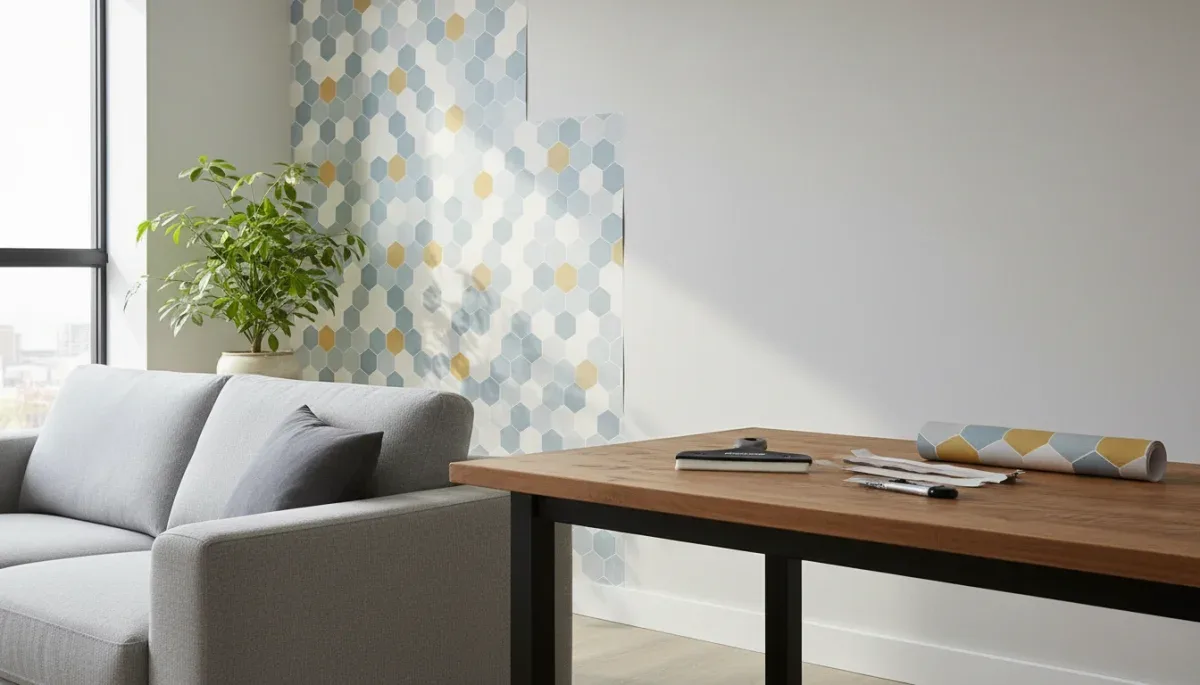
Renters should verify their wall paint finish, surface texture, and lease terms before choosing between peel and stick wallpaper and traditional pasted wallpaper. Removable self-adhesive paper protects your security deposit by peeling off cleanly without water or chemicals, whereas pasted options create permanent bonds that often tear rental drywall upon removal.
This comparison helps tenants who want custom wall accents without violating their rental contracts or spending hours repairing plaster before move-out. The primary catch is that self-adhesive products fail on certain matte paints and textured surfaces, meaning improper assessment can still lead to peeling sheets or surface damage.
Understanding the core mechanical differences
The fundamental distinction between these two wall coverings lies in their adhesive chemistry and backing material. Traditional wallpaper uses cellulose or starch-based adhesives that activate with water or wet paste, soaking into the paper backing and forming a tight bond with the wall primer. Once dry, traditional paper cures into a rigid layer that requires soaking, steaming, or chemical scoring to dissolve when removal time comes.
Advertisement
In contrast, peel and stick wallpaper operates like a large vinyl or woven decal with a low-tack, pressure-sensitive adhesive. It adheres purely through mechanical surface contact rather than chemical saturation into the drywall paper. Because the adhesive remains flexible over time, it releases under steady upward tension without leaving gummy residues or pulling standard paint layers away from the gypsum board.
Assessing wall paint and surface textures
Your existing wall surface determines whether self-adhesive coverings will stay up or pull paint off during removal. Removable wallpaper requires a smooth, non-porous surface coated in satin, semi-gloss, or gloss paint to create a reliable temporary seal. Highly textured surfaces, such as orange peel or knockdown drywall, leave air pockets beneath the backing, causing panels to bubble and detach within weeks.
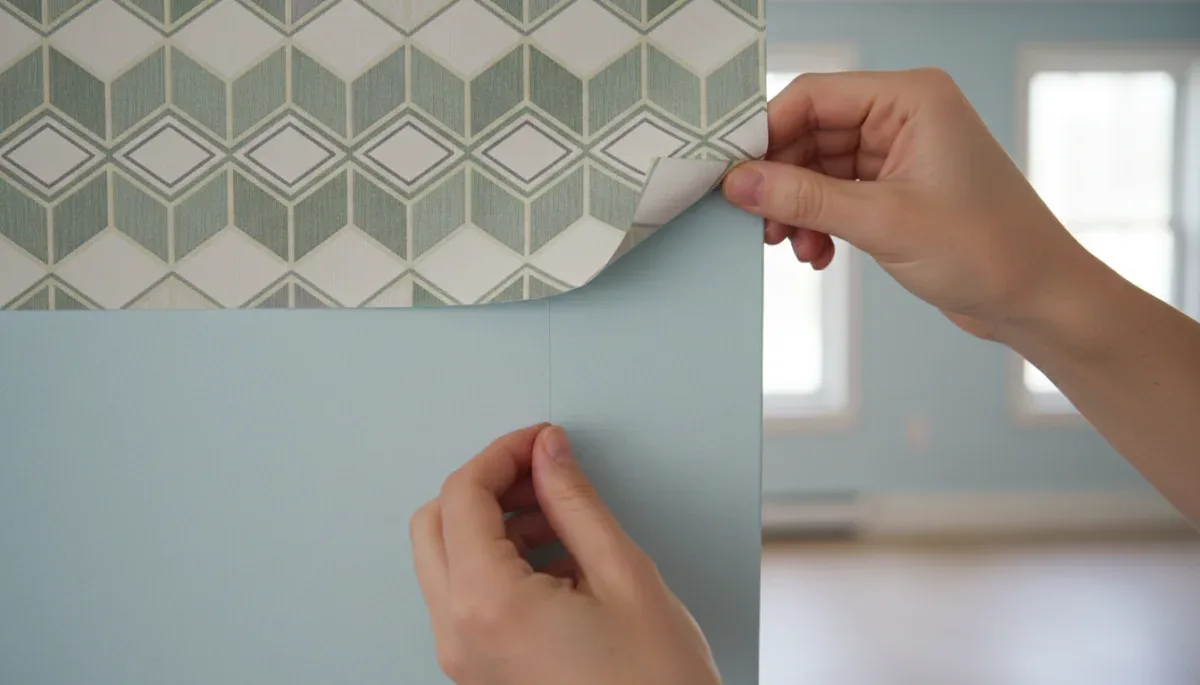
Paint type also plays an unexpected role in adhesive success. Many rental units feature flat builder-grade paint or zero-VOC (volatile organic compound) paints, which reject adhesives due to their powdery surface or stain-resistant chemical additives.
Critical surface checks before buying
- Apply a strip of painter tape to an inconspicuous spot, press firmly, and pull quickly to see if any paint flecks pull away.
- Inspect the wall under angled lighting to confirm the surface is completely flat without heavy drywall texture.
- Wait at least four weeks before applying adhesive paper to freshly painted walls to allow complete curing and outgassing.
- Clean the entire surface with a mild isopropyl alcohol and water mixture to eliminate dust and cooking grease before installation.
Reviewing lease agreements and deposit rules
Most standard residential lease agreements classify pasted wallpaper as an unauthorized structural alteration. When a tenant installs traditional wallpaper with wheat paste or pre-pasted backing, landlords often hire professional drywall repair teams to strip the walls, skim coat the torn paper, and repaint. These labor costs are routinely deducted directly from the security deposit.
Removable self-adhesive wallpaper falls into a safer category because it acts as temporary decor rather than a permanent fixture. However, lease wording regarding wall modifications varies significantly across property management companies. If your contract explicitly forbids any adhesive coverings or dictates that all walls must remain in original move-in condition, even removable paper warrants careful testing in a closet or hidden corner before covering an entire room.
Evaluating installation time and tool requirements
Installing traditional wallpaper requires specialized equipment, including paste buckets, smoothing brushes, seam rollers, and drop cloths to catch dripping adhesive. The process demands exact soaking times for pre-pasted rolls and generous working space to book the paper, which involves folding pasted strips against themselves to relax the fibers before hanging.
Self-adhesive sheets eliminate wet cleanup entirely, requiring only a measuring tape, level, utility knife, and a felt-edge smoothing squeegee. Because you do not manage wet glue, you can peel back and reposition an aligned sheet multiple times during installation. This repositionability saves time for solo renters working in tight apartment bedrooms or compact rental hallways.
Removal methods and move out restoration
The final move-out inspection is where the true cost of wallpaper choices becomes apparent. Traditional wallpaper removal often takes several days, requiring a scoring tool to puncture the top barrier followed by hot water steamers or enzyme-based stripping sprays. The moisture frequently softens the underlying drywall paper, causing gouges that require joint compound patching and repainting.
Removing high-quality self-adhesive paper takes less than an hour per wall. By pulling the panel downward from the top corner at a 45-degree angle at a slow, steady pace, the sheet releases intact. If you encounter resistance on older paint, warming the vinyl briefly with a household hair dryer softens the pressure-sensitive adhesive, ensuring a clean separation without pulling the landlord base coat.
Cost comparison for temporary living spaces
Budget calculations for rental decorating should balance the purchase price against the risk of move-out repair fees. Traditional wallpaper generally costs less per square foot for basic printed papers, but required supplies like paste, primer, brushes, and removal steamers quickly drive up the total investment for a temporary installation.
While premium removable vinyl rolls carry a higher upfront cost per square foot, they eliminate secondary tool purchases and protect against multi-hundred-dollar repair deductions from your security deposit. For renters residing in a unit for two years or less, self-adhesive paper provides the most predictable overall expense profile.
At a glance
| Factor | What to know |
|---|---|
| Adhesive type | Removable paper uses dry pressure glue; traditional uses wet paste bonds. |
| Wall compatibility | Self-adhesive needs smooth satin paint; paste handles minor surface flaws. |
| Deposit safety | Removable panels pull off clean; paste frequently tears rental drywall. |
| Removal effort | Peel and stick takes minutes; pasted paper requires soaking and scraping. |
Frequently asked questions
Does peel and stick wallpaper damage rental walls?
No, quality removable wallpaper will not damage properly cured walls painted with satin or semi-gloss finishes. However, applying it over chipped paint, fresh paint cured for less than four weeks, or powdery flat paint can cause the top paint layer to lift during removal.
Can you use traditional wallpaper paste in a rental?
Traditional paste is not recommended for rentals because it forms a permanent bond that requires soaking and scraping to remove. This process often gouges the drywall paper, resulting in significant repair labor that landlords will deduct from your refundable security deposit.
Why is my removable wallpaper peeling off on its own?
Removable wallpaper peels when applied to textured surfaces, dusty walls, or low-VOC stain-resistant paint. Textured drywall creates air gaps that weaken adhesion, while uncured paint releases gases that break the temporary chemical bond of the pressure-sensitive adhesive.
How do you safely remove peel and stick wallpaper without pulling paint?
Start at a top corner and pull the panel straight down against itself at a steady 45-degree angle. If the adhesive resists or the paint starts pulling, warm the surface with a low-heat hair dryer for several seconds to soften the bond before pulling further.
The bottom line
Peel and stick wallpaper is the practical choice for rental decorating because it installs without messy chemicals and releases cleanly when your lease ends. Traditional pasted paper creates strong, long-lasting bonds that almost always result in drywall repair costs at move-out inspection. Before ordering any wallpaper, test a strip of painter tape on your rental wall to verify the paint coat is secure and fully adhered.
Written by
Rita Lima
Rita Lima writes about clothes for flowershein.com. Each article explains how things work, compares published details such as prices, policies and program rules, and points readers to the official source before they decide.