
Polyester versus polyamide: breathability and durability
Advertisement
Polyamide is generally more durable and tear-resistant than polyester, whereas polyester handles moisture evaporation better and costs less to manufacture into breathable athletic wear. Understanding the difference between these two synthetic powerhouses helps shoppers identify which garment will last through dozens of laundry cycles and which will keep them cooler during hot summer days.
This comparison helps budget fashion shoppers read garment tags accurately, avoid synthetic blends that trap heat uncomfortably, and choose fabrics suited to their daily activity level. The trade-off is that while polyamide feels softer against bare skin and withstands surface friction, it absorbs slightly more water and requires gentle laundering at lower wash temperatures.
Understanding synthetic fibers in budget clothing
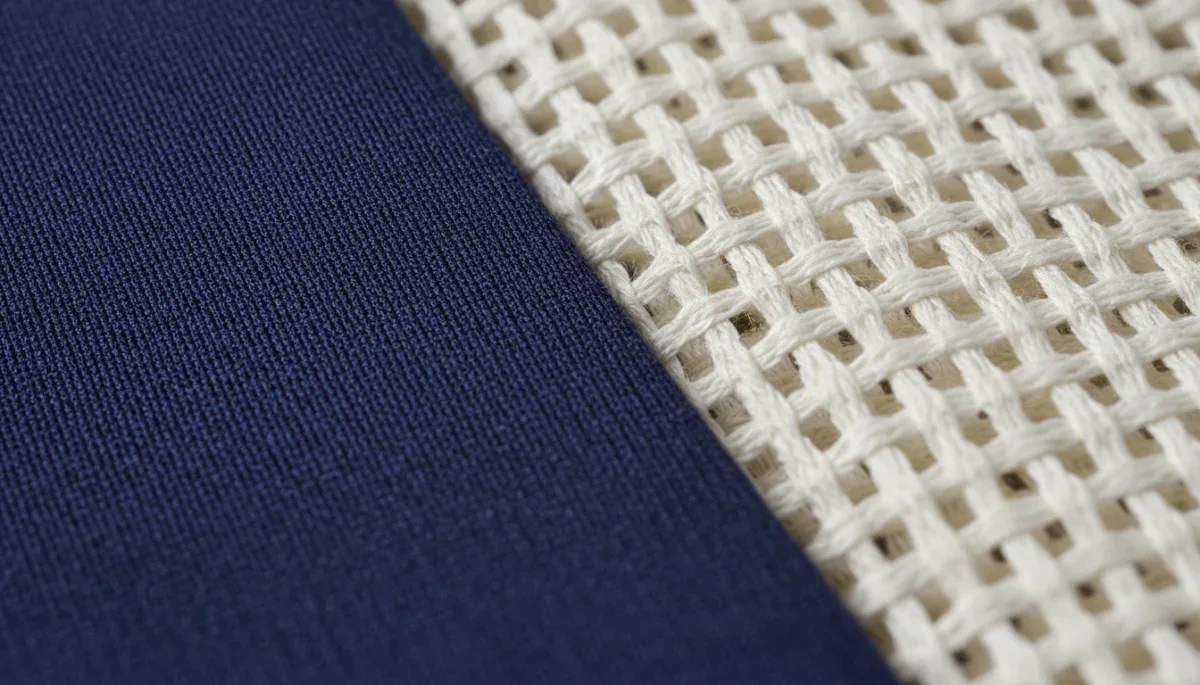
Polyester and polyamide dominate budget apparel because synthetic manufacturing allows fast production, low raw material costs, and consistent thread strength. When reading garment labels on imported fashion items, polyester frequently appears under its standard chemical name, while polyamide is commonly labeled as nylon or tactel. Both fibers begin as petroleum-derived plastic polymers extruded through microscopic spinneret nozzles into continuous filaments, but their internal molecular arrangements create noticeably different textile behaviors.
Advertisement
Polyester relies on long-chain ester polymers that resist stretching, repel moisture, and hold dyed pigments firmly against sunlight exposure. Manufacturers produce huge volumes of polyester globally, which keeps wholesale production costs lower than almost any other synthetic yarn. Because the polymer naturally resists chemical breakdown from acidic sweat and alkaline laundry detergents, cheap polyester t-shirts, dresses, and linings maintain their original shape over months of regular wear without warping.
Polyamide relies on amide bonds linked by aliphatic or semi-aromatic chains, producing an exceptionally tough, supple filament with natural mechanical elasticity. Discovered commercially as nylon in the 1930s, polyamide was engineered to replace natural silk in stockings, parachutes, and industrial cords. In modern fashion, polyamide delivers a luxurious, cool-to-the-touch hand feel that budget polyester struggles to match. Producing high-grade polyamide requires more energy and technical chemical processing, which explains why garments featuring nylon or polyamide exterior blends usually carry a higher retail price tag than pure polyester alternatives.
Breathability and moisture handling compared
Neither polyester nor polyamide is inherently breathable in the way natural cotton or linen fibers are, because neither plastic polymer allows air to flow freely through solid filament walls. Instead, breathability in synthetic clothing depends entirely on yarn texturing, knit density, and moisture transport mechanisms that move liquid away from human skin. Evaluating how these two synthetics manage perspiration reveals their core functional divergence.
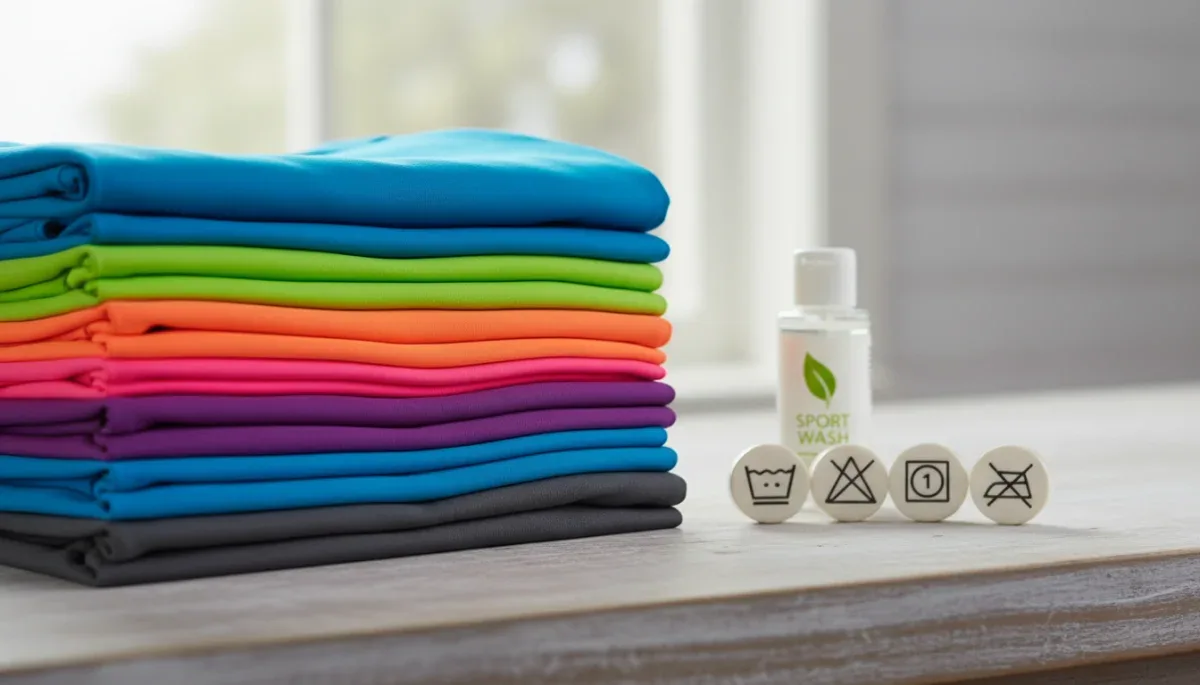
Polyester is virtually hydrophobic, meaning its individual fibers resist water penetration almost entirely. While standard solid-weave polyester can trap humid body heat like a plastic wrap, technical polyester used in sportswear features specially extruded cross-sections, such as star or cloverleaf profiles, that create micro-channels. These channels use capillary action to pull sweat along the exterior surface of the yarn where room air rapidly evaporates it. As a result, lightweight polyester workout shirts dry remarkably fast and prevent heavy, clammy sweat saturation during intense aerobic workouts.
Polyamide possesses higher natural hygroscopicity than polyester, absorbing small amounts of ambient moisture into its molecular structure. While this slight absorption helps nylon feel cooler and less suffocating when you first put it on, it also means damp polyamide garments take longer to dry completely. When worn in dense humid climates or under heavy rain, thick polyamide fabrics can hold water against its base layers, feeling damp and chilly once physical exertion stops.
Key moisture management factors
- Polyester dries significantly faster because water stays on the outer filament surface rather than soaking inside the polymer core.
- Polyamide feels less statically charged and softer against sensitive skin because its microscopic moisture content dissipates static buildup.
- Woven polyester blocks wind effectively but requires loose knits or mesh panels to avoid trapping stagnant heat against the torso.
- Polyamide blends work well for low-intensity activewear where smooth skin comfort matters more than extreme moisture dispersion.
Abrasion resistance and overall garment durability
When measuring pure physical durability, polyamide holds an undeniable advantage over polyester across tensile strength, puncture resistance, and surface rub testing. The chemical hydrogen bonds within polyamide chains provide remarkable elasticity, allowing the fiber to flex, bend, and pull under intense mechanical strain before snapping. This fundamental toughness explains why backpack bases, outdoor gear reinforcement patches, and heavy-duty outerwear shells prioritize nylon construction.
In everyday clothing, high abrasion resistance directly prevents thin friction zones from blowing out prematurely. Thigh friction on leggings, strap wear across jacket shoulders, and repeated rubbing around pocket edges will degrade standard polyester fibers long before polyamide shows equivalent wear. Garments made from high-denier polyamide withstand sliding across rough surfaces, carpet friction, and abrasive seat belts without developing threadbare patches or sudden seam failures.
Polyester remains a highly durable textile in its own right, outlasting cotton and rayon under standard laundering conditions by wide margins. However, polyester fibers are more brittle than polyamide filaments under concentrated shear stress. Under repeated micro-friction, broken polyester filaments often roll into tiny, unsightly balls known as fabric pills. While polyamide can also pill if blended with low-grade secondary fibers, 100 percent continuous filament nylon resists surface abrasion without shedding loose polymer fuzz across the fabric face.
Daily wear, stretching, and shape retention
How an affordable garment fits after five hours of sitting at a desk or driving reveals the functional differences in polymer recovery and mechanical memory. Polyamide naturally elongates slightly under tension and snaps back into place, which is why budget fashion manufacturers prefer polyamide-spandex blends for contouring garments, swimwear, and compressive athletic tights. The fiber moves smoothly with body joints, eliminating the stiff, restrictive sensation common in heavy polyester weaves.
Despite its flexibility, polyamide can suffer from progressive sagging if knit loosely without supporting elastane fibers. Because polyamide fibers absorb minor moisture and body oils, prolonged tensile pressure on unreinforced nylon knees or elbows can cause mild shape distortion over a long day. Proper garment design pairs polyamide with tightly coiled knit structures to lock in dimensional stability across repeated stretches.
Polyester exhibits superior dimensional stability under continuous dry tension. The rigidity of polyester polymer chains prevents fibers from stretching out of shape permanently, ensuring collars, pleated skirts, and tailored budget trousers retain sharp, structured lines. A polyester button-down shirt or lightweight windbreaker resists wrinkles during long transit periods, hanging neatly out of a travel suitcase without requiring steam treatment or flatbed ironing.
Everyday performance indicators
- Polyamide blends provide better four-way stretch recovery, making them ideal for seamless underwear and yoga tights.
- Polyester woven garments hold pleats, creases, and tailored edges through multiple days of sitting without bagging at the joints.
- Polyester resists pet hair and lint adhesion somewhat better than texturized polyamide knits that generate minor friction cling.
- Polyamide slides effortlessly under outer layers, preventing binding, chafing, and awkward bunching when styling fall outfits.
Washing, heat sensitivity, and long-term care
Proper laundry maintenance determines whether synthetic clothes last two seasons or break down within a few weeks. Although both fabrics survive regular machine washing easily, their vulnerabilities to heat, staining, and odor retention differ substantially. Knowing how each polymer behaves inside household washers and dryers protects shoppers from ruining inexpensive garments on laundry day.
Heat tolerance represents polyester's greatest practical advantage over polyamide. Polyester melts at approximately 482 degrees Fahrenheit, allowing it to tolerate warm wash cycles, medium dryer settings, and low-temperature irons without structural damage. Polyamide melts at a lower threshold, typically around 420 degrees Fahrenheit for nylon 6,6 and even lower for nylon 6. Exposing polyamide apparel to high dryer heat warps delicate hems, curls elastic waistbands, and creates hard, puckered seams that cannot be smoothed out again.
Odor retention is the persistent drawback of polyester garments. Because polyester is lipophilic, it chemically attracts body oils, sebum, and oily bacteria found in human sweat. Over time, standard cool water detergents struggle to dissolve these oily residues trapped inside polyester micro-crevices, leading to persistent post-wash odors. Polyamide attracts fewer oil-based bacteria, rinses cleaner during regular wash cycles, and maintains freshness longer, though it tends to absorb color bleed from dark garments if washed in mixed laundry loads.
How to choose between them when shopping online
Evaluating fabric composition percentages on product listing pages helps online shoppers predict real-world comfort before placing an order. Budget shopping apps and retail sites often combine synthetic fibers to balance production cost against functional performance. Recognizing target fiber ratios ensures you pick the right material for specific wardrobe purposes.
For rigorous outdoor training, running shirts, and high-aerobic gym sessions, select lightweight polyester garments with moisture-wicking weave callouts. The hydrophobic properties of polyester ensure that heavy sweat lifts away from your skin without turning the shirt into a soggy, clingy burden. Polyester is also the premier choice for budget rain jackets and lined winter parkas where weatherproofing coatings adhere reliably to stable polyester backing textiles.
For everyday underwear, opaque high-waisted leggings, supportive sports bras, and form-fitting dresses, prioritize polyamide blends containing 10 to 20 percent spandex. The high surface toughness of polyamide prevents friction holes around inner thighs, while the supple hand feel prevents skin irritation during prolonged contact. If a retail listing shows an item composed of eighty percent polyamide and twenty percent elastane, you can expect a soft, durable, second-skin fit that outlasts cheap polyester equivalents.
At a glance
| Fabric factor | What to know |
|---|---|
| Moisture drying | Polyester dries significantly faster by pushing liquid to the surface for quick air evaporation. |
| Abrasion resistance | Polyamide provides much higher friction durability and resists tearing or surface fraying better. |
| Heat sensitivity | Polyamide warps and melts under lower heat, requiring cool wash cycles and low dryer settings. |
| Odor accumulation | Polyester bonds tightly with body oils, making it more prone to lingering odor buildup over time. |
| Laundry care | Proper washing and drying techniques are crucial for maintaining the integrity of both fabrics. |
Frequently asked questions
Which fabric keeps you cooler in hot weather?
Loose-knit polyester typically keeps you cooler during sweaty activities because it evaporates moisture rapidly. However, in mild dry heat without heavy perspiration, lightweight polyamide feels noticeably cooler and softer against the skin upon initial contact.
Does polyamide shrink more than polyester in the dryer?
Polyamide is more vulnerable to heat damage than shrinkage, but high dryer temperatures can distort its woven dimensions permanently. Polyester resists both shrinking and heat warping much better, provided dryers run at standard low to medium temperatures.
Why are polyamide clothing items usually more expensive?
Polyamide requires more complex chemical refining, higher energy inputs, and tighter quality control during spinning than basic polyester. These higher raw material and manufacturing costs translate directly into slightly higher retail prices for nylon apparel.
Can you iron clothes made from polyester and polyamide?
You can iron both fabrics safely only on the lowest synthetic heat setting without steam. Placing a clean cotton pressing cloth between the iron plate and the synthetic garment prevents accidental surface scorching, fabric melting, or shiny iron marks.
The bottom line
Polyester and polyamide each excel in distinct apparel categories, making neither fiber universally superior for every wardrobe need. Choose polyester for lightweight, fast-drying workout tops and structured outerwear where moisture evaporation and stain stability matter most. Choose polyamide for high-friction leggings, supportive activewear, and undergarments where skin softness and tear resistance justify paying a modest price premium. Before purchasing budget apparel online, always check the exact fiber percentage on the product specifications tab to verify you are getting the specific performance balance you need.
Written by
Maria Eduarda
Maria Eduarda writes about clothes, discounts and electronics for flowershein.com. Each article explains how things work, compares published details such as prices, policies and program rules, and points readers to the official source before they decide.