
How to read online clothing size charts and measure accurately
Advertisement
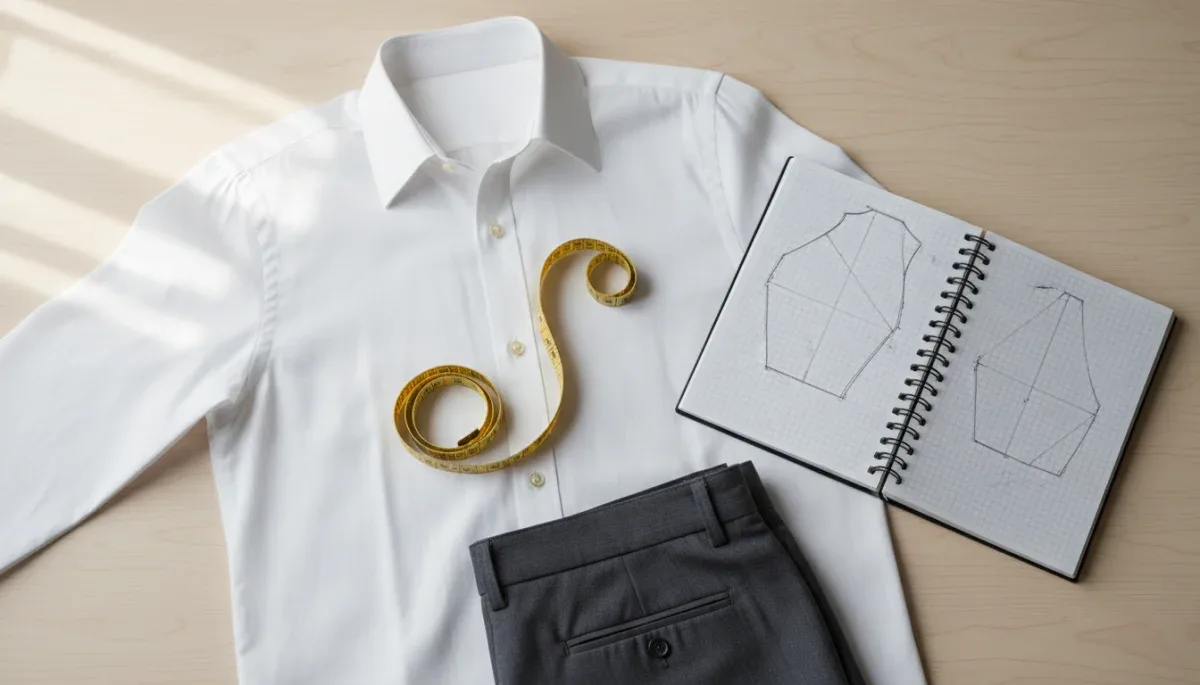
Reading online clothing size charts accurately starts with taking your own precise body measurements using a flexible tailor tape rather than relying on standard letter or number labels. This process helps online shoppers avoid return shipping fees and ill-fitting garments, though it requires setting aside ten minutes and understanding the difference between body dimensions and finished garment dimensions.
Standardized sizing does not exist across modern fashion brands, meaning a medium at one store can easily measure the same as an extra-large at another. Once you know your bust, waist, hip, and inseam measurements in both inches and centimeters, interpreting online clothing size charts becomes a straightforward matter of comparing numbers.
Why clothing sizes vary across different online retailers
Clothing sizing in the United States and abroad is determined independently by each manufacturer, resulting in substantial discrepancies between brands. Vanity sizing, where brands increase the physical dimensions of garments over time while keeping label numbers small, makes traditional sizing tags unreliable indicators of fit. Fast-fashion retailers, imported marketplace brands, and luxury fashion houses each draft garments based on their proprietary fit models and target demographics.
Advertisement
International manufacturing centers follow different standard sizing templates. For example, garments produced for Asian domestic markets typically feature narrower shoulder widths, shorter sleeve lengths, and higher waistlines compared to items produced for North American retail lines. European brands frequently utilize sizing scales based on direct centimeter measurements, which yield different proportions than American inch-based grading. Relying solely on your usual off-the-rack size without consulting the specific product chart increases the likelihood of sizing errors.
Online stores often host products from multiple independent suppliers, which means two items listed in the same catalog can follow completely different measurement scales. Checking the exact chart linked on the individual product page ensures you are evaluating the specifications for that single garment rather than a generic site-wide template.
How to take accurate body measurements at home
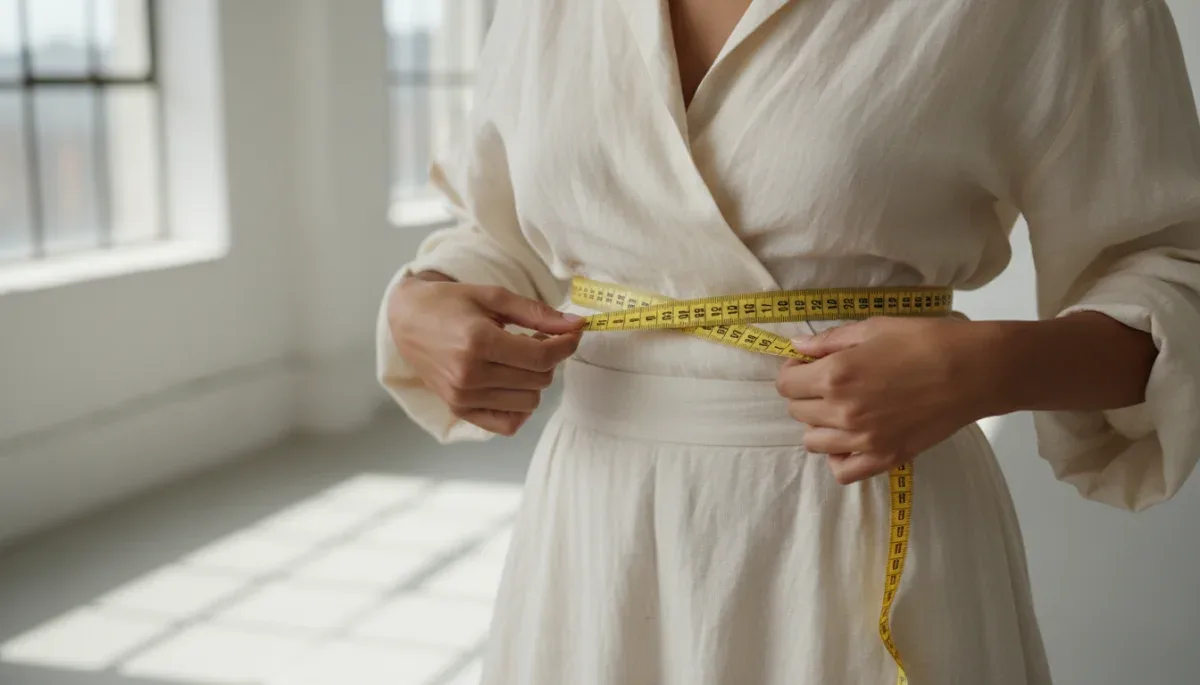
Accurate measurements require a soft, flexible measuring tape made of fiberglass or coated fabric rather than a rigid metal construction tape. Keep the tape parallel to the floor for all horizontal measurements, ensuring it lies flat against your body without digging into your skin or sagging loosely. For the most consistent results, wear lightweight undergarments or form-fitting clothing while measuring.
Key body measurements to record
- Bust or chest: Wrap the tape around the fullest part of your chest, keeping the tape level across your shoulder blades and breathing naturally.
- Natural waist: Measure around the narrowest part of your torso, typically located an inch or two above your belly button.
- High hip and low hip: Measure around your hip bones for the high hip, and around the widest part of your buttocks for the low hip.
- Inseam length: Measure along the inside of your leg from the crotch seam down to the ankle bone or desired hemline.
- Shoulder width: Measure across your upper back from the tip of one shoulder bone straight across to the other.
Deciphering garment measurements versus body measurements
One of the most frequent points of confusion on online clothing size charts is the distinction between body measurements and garment measurements. A body measurement chart indicates the physical dimensions of the person the item is intended to fit, with design ease already calculated into the cut. A garment measurement chart, conversely, lists the exact flat dimensions of the sewn fabric itself.
When a product page lists garment measurements, you must account for wearing ease, which is the extra space required to move, sit, and breathe comfortably. Woven fabrics such as 100 percent cotton, linen, or wool require between one and three inches of ease beyond your physical body measurements at the chest and hips. If you purchase a non-stretch button-down shirt with a garment chest measurement identical to your exact bust measurement, the shirt will pull at the buttons and restrict your movement.
To verify flat garment measurements, lay a similar, well-fitting piece of clothing from your closet completely flat on a table. Measure across the bust line from armpit to armpit and multiply by two to calculate the total circumference, then compare that number directly to the retailer flat measurement table.
Factoring in fabric composition and stretch
Fabric construction dictates how closely a garment will conform to your body and how much tolerance exists within the size chart. Woven textiles without elastane or spandex do not stretch, meaning your body measurements must be smaller than the garment dimensions for a functional fit. Knitted fabrics, including jersey, rib knit, and French terry, naturally expand to accommodate body contours and can fit closer to your true dimensions.
Synthetic elasticity significantly alters sizing selection. Garments containing 2 to 5 percent elastane, spandex, or Lycra provide moderate stretch, allowing you to choose a size closer to your exact measurements without sacrificing comfort. Activewear and shapewear containing 10 percent or higher elastane content utilize negative ease, where the garment dimensions are intentionally smaller than your body to provide compression and support.
Understanding material composition also helps predict shrinkage after laundering. Natural fibers such as unpreshrunk cotton, linen, and rayon can shrink slightly during initial washing and drying cycles. If your measurements sit at the exact upper boundary of a size chart for a 100 percent cotton garment, choosing the larger size prevents the piece from becoming uncomfortably tight after laundering.
Navigating international sizing conversion charts
Online retailers frequently provide conversion charts that cross-reference United States, United Kingdom, European, and Asian sizes. These conversion grids provide a general reference, but numeric translations can vary between brands. For example, a US size 8 generally corresponds to a UK size 12, a European size 40, or an Italian size 44, yet specific pattern dimensions may still differ based on the brand origin.
When purchasing from overseas retailers or cross-border e-commerce platforms, metric measurements provide the most reliable reference point. Measuring tape measurements translated into centimeters eliminate the rounding errors that often occur when manufacturers convert values between imperial and metric systems. If an overseas size chart lists both numeric labels and precise centimeter values, always base your selection on the centimeters rather than the label designation.
Pay close attention to proportional differences in international grading. Asian-market garments often feature narrower shoulder-to-shoulder measurements and shorter rise lengths on trousers compared to standard North American blocks. Reviewing shoulder and sleeve measurements alongside basic bust and waist figures helps prevent fit issues with long-sleeved tops and jackets.
Practical steps when you fall between two sizes
It is entirely normal for your body measurements to align with different sizes across a single chart, such as having a medium waist and large hips. Selecting the correct size in these situations depends on the silhouette of the garment and where the primary point of fit lies. Prioritize the measurement that is most critical to the garment structure.
How to choose for specific garment silhouettes
- A-line dresses and wide skirts: Base your size selection on your bust and waist measurements, as the flared hip area provides ample natural ease.
- Fitted trousers and jeans: Align your size with your widest lower-body measurement, which is typically the low hip, and use a belt or tailoring for the waist if needed.
- Structured jackets and blazers: Choose the size that fits your shoulder width and bust, because altering shoulders is significantly more difficult than taking in a waistline.
- Stretchy knit tops: Size down if you prefer a snug fit, or choose the larger size for a relaxed drape over your torso.
At a glance
| Measurement factor | What to know |
|---|---|
| Measuring tape type | Use a flexible vinyl or fabric tape pulled snug without indenting skin. |
| Garment vs body chart | Garment charts list fabric dimensions and require added wearing ease. |
| Fabric elasticity | High-stretch knit fabrics tolerate closer fits than rigid woven materials. |
| Split measurements | Fit the most structured or fitted part of the specific clothing silhouette. |
Frequently asked questions
Should I measure over my clothes or bare skin?
Take your body measurements over bare skin or lightweight undergarments for the highest accuracy. Bulky clothing like sweaters or heavy denim adds artificial inches to your measurements, which will cause you to select a garment size that is too large.
What is the difference between high hip and low hip?
The high hip is located around the top of your hip bones, roughly three inches below your natural waistline. The low hip is located around the widest part of your buttocks, approximately seven to nine inches below your natural waistline.
Why does the same size fit differently across various brands?
Clothing brands use distinct fit models, grading formulas, and design ease suited to their proprietary target audiences. Without mandatory universal sizing standards, letter and numeric labels remain arbitrary across different manufacturing companies and countries.
What should I do if a product has no detailed size chart?
Check the customer reviews for height, weight, and fit feedback from verified purchasers. If customer feedback is unavailable, measure a similar well-fitting garment from your own wardrobe and reach out to the retailer customer service team for exact dimensions.
The bottom line
Relying on physical body measurements rather than generic size tags is the most dependable way to read online clothing size charts and select the correct fit. Always distinguish between body and garment measurements, account for fabric elasticity, and fit the most structured dimension of the piece. Before completing your purchase, double-check the store individual return and exchange policy in case the fabric feel or fit requires an adjustment.
Written by
Maria Eduarda
Maria Eduarda writes about clothes, discounts and electronics for flowershein.com. Each article explains how things work, compares published details such as prices, policies and program rules, and points readers to the official source before they decide.