
How to remove fabric pilling from knitwear safely
Advertisement
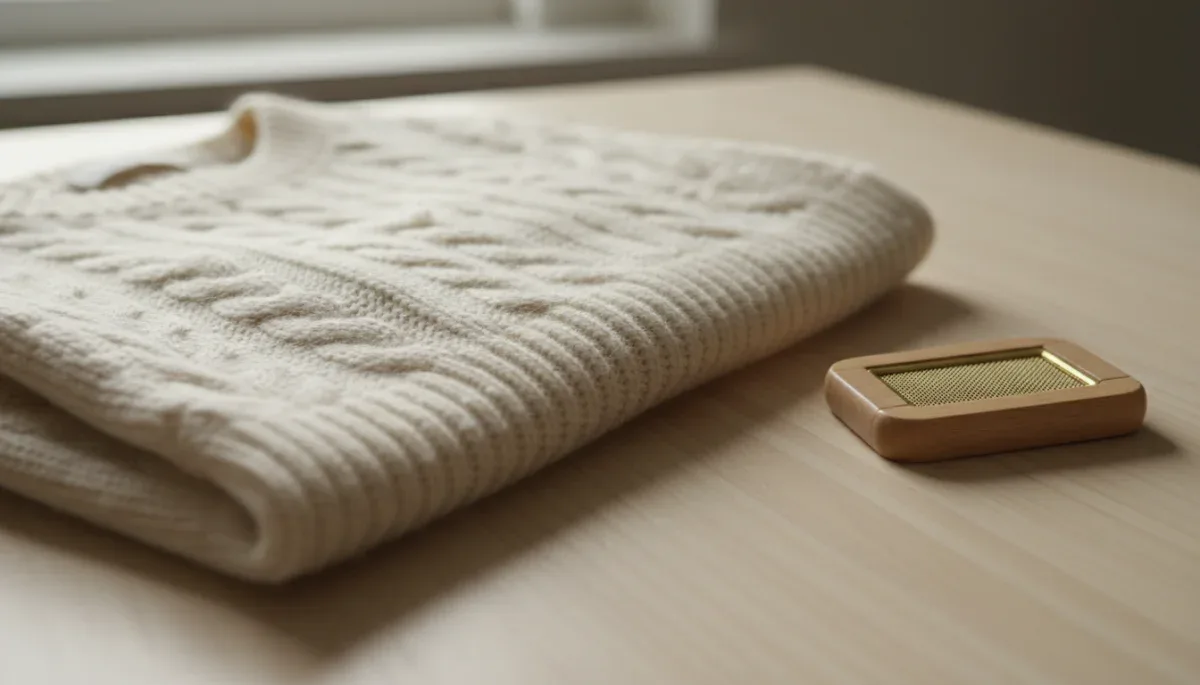
You can remove fabric pilling from knitwear safely by stabilizing the garment on a hard, flat surface and gently gliding an electric fabric shaver, sweater comb, or fine-grit garment stone across the raised fibers. This process restores the clean texture of cardigans, pullovers, and knit dresses without pulling the underlying stitches or cutting structural yarns.
This maintenance guide helps budget shoppers and thrifters extend the life of acrylic, wool, polyester, and blended sweaters that develop unsightly fuzz balls after ordinary wear. The catch is that rushing the job, using uneven pressure, or choosing the wrong tool for loose open knits can snag threads and create irreversible holes in delicate garments.
Understanding why knitwear develops pills
Fabric pilling occurs when loose, broken fiber ends tangle into small, dense balls on the surface of your clothing. Knitted garments are particularly prone to this issue because knits consist of looped yarn rather than tightly woven crisscross threads. Everyday movement causes repetitive friction against coats, handbag straps, car seatbelts, desk edges, and armrests. That abrasion pulls the shortest fibers outward, where they twist into tight clusters.
Advertisement
Fiber composition determines both the speed of pilling and how stubbornly those pills cling to the cloth. Pure natural wool fibers often break off easily under light friction, meaning wool pills may shed naturally over time or release with minimal mechanical force. In contrast, synthetic fibers like polyester, nylon, and acrylic have high tensile strength. When short synthetic fibers break and tangle with surrounding threads, they anchor firmly to the fabric body and refuse to drop off without physical intervention.
Blended fabrics—such as cotton-poly mixes or wool-acrylic blends—tend to develop the most noticeable pills. The stronger synthetic filaments hold the softer natural fibers hostage in stubborn, fuzzy knots that make an otherwise good sweater look worn out after only a few washes.
Choosing the right depilling tool for your fabric
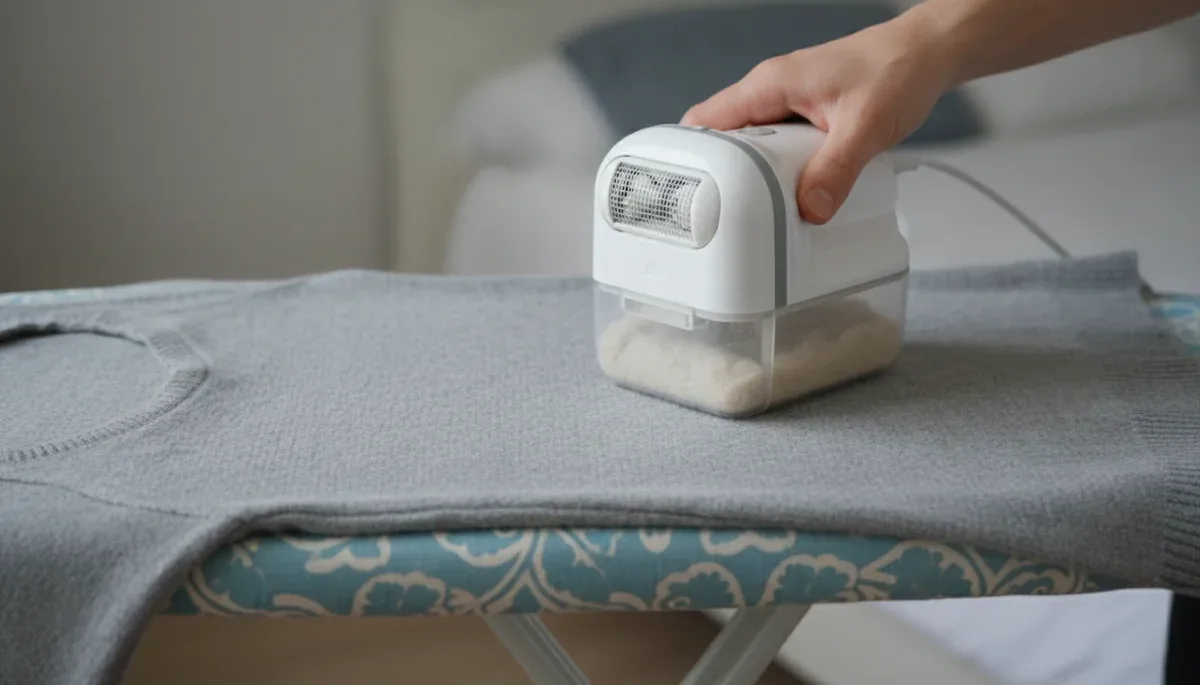
Different knits require different mechanical approaches to remove fabric pilling without damaging the core weave. Selecting a tool based on yarn gauge, fiber delicacy, and pile depth protects your clothes from tears and runs.
Common tool options and their ideal garments
- Electric fabric shavers: Battery-powered or rechargeable devices with rotating blades behind a perforated metal guard work best on tight, flat knits like fine-gauge merino wool, cotton jerseys, and dense synthetic fleeces.
- Sweater combs: Fine-toothed wire or brass mesh combs excel at sweeping away small, dense pills from delicate cashmeres and lightweight knits without dulling blade contact.
- Sweater stones: Porous volcanic pumice blocks grip and pull away heavy, coarse fuzz on thick acrylic cables, chunky wool cardigans, and heavy tweed knits.
- Safety razors: Single-blade manual razors can shave flat woven surfaces in emergencies, though they carry a much higher risk of slicing raised yarn loops.
Never use disposable multi-blade cartridge razors equipped with moisturizing strips, as the lubricating band leaves residue on dry yarns. Similarly, avoid tearing pills off with your bare fingers, which stretches neighboring threads outward and creates even more broken fibers.
Step-by-step method to shave knits with an electric depiller
An electric fabric shaver provides the most uniform result on everyday sweaters, but safe operation requires careful prep. Always lay the garment completely flat across a hard, unpadded surface such as a clean wooden table, countertop, or firm ironing board. Never attempt to shave a sweater while wearing it or while it hangs on a coat hanger, because natural body contours create raised fabric ripples that can push through the guard holes directly into the spinning blades.
Smooth out all wrinkles with your hands so the knit lies taut without being overstretched. Turn the depiller on and test a small, hidden section—such as the inside lower hem or the underarm seam—to gauge how the tool responds. Hold the shaving head flush against the cloth using feather-light contact. Do not push down into the fabric; allow the rotating blades to slice only the pills that poke through the metal mesh screen.
Move the shaver in slow, small circular patterns across the affected area, working systematically from the shoulders down to the cuffs and hem. Empty the lint collection chamber regularly during the process. When the lint chamber overfills, cut fibers pack back against the blade mechanism, slowing down rotation speeds and increasing the chance that yarn gets caught in the spinning cutter head.
Using manual combs and stones on delicate weaves
Loose open knits, fuzzy mohair, and ultra-fine cashmere require manual precision rather than motorized blades. A manual sweater comb or pumice stone gives tactile feedback through your fingers, letting you feel resistance before a thread snags.
Safe technique for manual tools
- Anchor the top edge of the garment firmly with your non-dominant hand to hold the knitting grain straight.
- Hold the sweater comb or stone at roughly a 45-degree angle against the surface.
- Draw the tool downward in short, deliberate strokes following the straight vertical grain of the knit ribs.
- Lift the tool completely between strokes rather than scrubbing back and forth against the knit.
- Clear accumulated fluff from the comb teeth after every four or five strokes to prevent redepositing loose lint.
When working with a sweater stone on coarse knits, expect tiny black volcanic crumbs to shed onto the fabric as the stone wears down. This crumbling is normal behavior for natural pumice. Simply shake the garment out outdoors or sweep a standard sticky lint roller over the surface after depilling to collect any remaining grit.
Washing habits that prevent pilling before it starts
While learning how to remove fabric pilling restores your wardrobe, adjusting your laundering routine stops fuzz balls from reforming prematurely. Washing machines subject clothes to substantial mechanical turbulence, rubbing yarns against coarse zippers, buttons, and rough denim fabrics in the same cycle.
Always turn knit garments inside out before laundering. If pills do develop along the interior surface during agitation, they remain invisible on the outside. Fasten all metal zippers, buttons, and hook-and-eye closures on surrounding garments so they cannot catch on knit stitches. Placing individual knitwear pieces inside mesh wash bags provides an extra physical shield against machine wall friction.
Select gentle or delicate wash cycles with cold water settings. High heat weakens both synthetic polymers and natural animal proteins, making fibers brittle and prone to snapping. Use gentle liquid detergents rather than powder formulas, as undissolved detergent granules create abrasive friction during low-temperature cycles. Finally, skip the tumble dryer; lay knits flat on a clean, dry towel to air dry, because heat and tumble agitation accelerate fiber breakdown rapidly.
At a glance
| Depilling tool | Best use and key rule |
|---|---|
| Electric shaver | Best for fine to medium knits; glide with zero downward pressure. |
| Sweater comb | Best for cashmere and delicate wool; pull in straight vertical sweeps. |
| Pumice stone | Best for chunky wool and heavy acrylic; clear grit residue after use. |
| Mesh wash bag | Best for wash prevention; keep knits separated from rough hardware. |
Frequently asked questions
Can depilling create holes in my sweater?
Yes, applying heavy downward pressure or using spinning blades on loose, textured knits can pull whole stitches into the cutting mechanism. Always keep the garment flat on a hard table, use zero pressure, and switch to a manual sweater comb if the knit features open, airy loops.
How often should you remove pills from knitwear?
You should remove pills only when they become visibly noticeable, typically once or twice per wearing season. Shaving knitwear repeatedly removes a fraction of the yarn's core mass each time, which eventually thins out the fabric structure and shortens the garment's usable lifespan.
Does fabric softener stop knitwear from pilling?
No, liquid fabric softeners coat fibers in a chemical film that relaxes yarn tension and encourages short filaments to slip loose more easily. Washing knits in cool water with gentle detergent and air-drying them flat provides far better friction protection than chemical conditioners.
Can I use a regular disposable razor on sweaters?
A single-blade disposable safety razor works in an emergency, but it carries a significant risk of cutting the underlying weave. If you must use one, pull the fabric drum-tight across a hard surface and skim the blade at a shallow angle with minimal pressure.
The bottom line
Restoring pilled knitwear comes down to matching the right tool to your garment's fiber weight and working across a flat, hard surface without pressing downward. Whether you use a motorized fabric shaver for smooth synthetics or a fine sweater comb for delicate natural wools, slow and even strokes protect the original weave. Before treating any sweater, always check the interior fabric care label for fiber content and inspect the area for loose stitches that could catch in blades.
Written by
Lucas Bastos
Lucas Bastos writes about clothes and house for flowershein.com. Each article explains how things work, compares published details such as prices, policies and program rules, and points readers to the official source before they decide.