
Viscose versus modal: daily wear fabric comparison
Advertisement
Modal holds up better than standard viscose for daily wear because it maintains its strength when wet and resists shrinking in the wash. This comparison helps budget-conscious shoppers choose everyday basics that last, though modal typically costs slightly more per garment than standard viscose.
Both textiles belong to the rayon family and start as plant cellulose, but differences in manufacturing give them distinct performance traits. Understanding how each fabric handles sweat, laundering, and daily friction makes it easier to pick the right material for your routine.
How viscose and modal fabrics are made
Viscose and modal are semi-synthetic fibers made from regenerated cellulose, which means natural plant pulp is chemically processed into spinable yarn. Viscose, originally developed as an affordable alternative to silk, typically uses wood pulp from various trees such as pine, spruce, or eucalyptus. The dissolved pulp passes through spinnerets into a chemical bath to create delicate filaments that are spun into soft thread.
Advertisement
Modal is a modified type of rayon, classified technically as high wet modulus rayon. It is manufactured primarily from sustainably harvested beech tree pulp through an adjusted chemical spinning process. This modification aligns the internal cellulose molecules more tightly, giving the finished fiber greater structural integrity than standard viscose.
Because modal undergoes this refined spinning method, it yields a fiber that is smoother, finer, and significantly more resilient under mechanical tension. Viscose remains more porous and less stable, which explains why the two fabrics behave differently once they are woven into garments and subjected to regular wear.
Comfort, softness, and breathability in daily use
Both fabrics offer excellent comfort against the skin, making them popular choices for loungewear, underwear, and summer tops. Viscose is lightweight, breathable, and highly absorbent, which allows body heat to dissipate quickly during warm weather. It creates an airy, flowing drape that flatters loose dresses and casual button-down shirts.
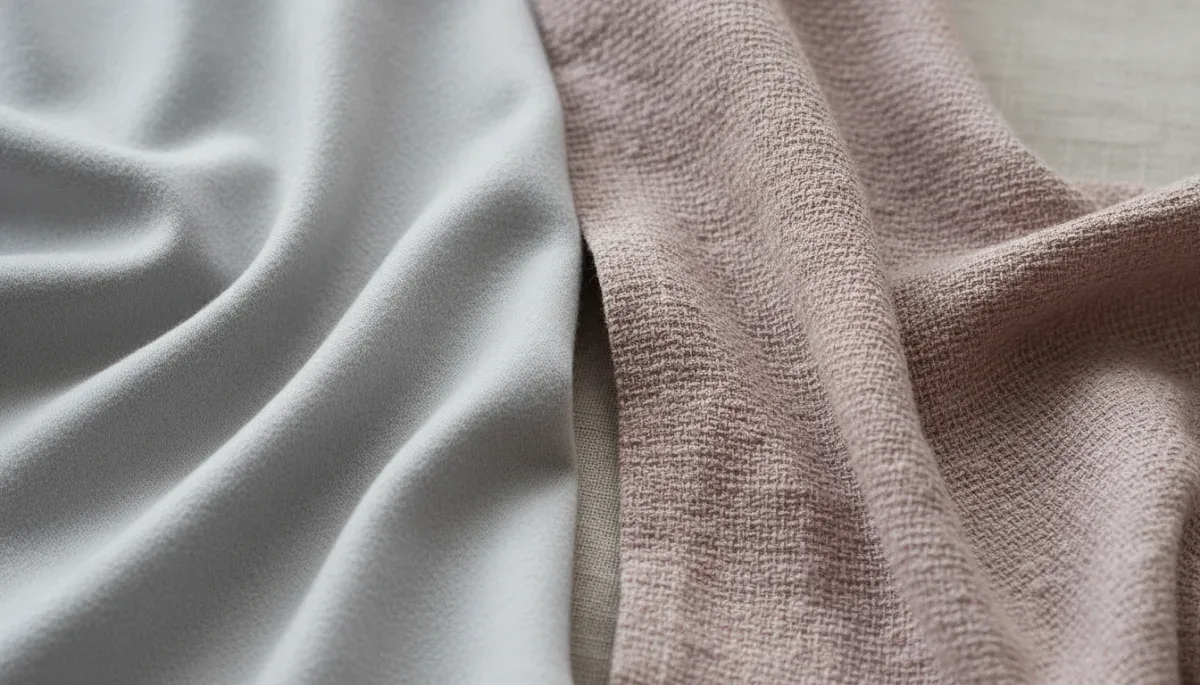
Modal provides an even softer, silkier hand feel that remains smooth over time. Because modal fibers are extremely fine and uniform, the surface of modal fabric causes minimal friction against sensitive skin. It is also around fifty percent more absorbent than cotton, allowing it to wick moisture away from the body during daily commutes or warm afternoons.
When selecting pieces for all-day comfort, the structure of the garment matters as much as the fiber itself.
Best everyday uses for each fabric
- Choose modal for base layers, underwear, pajamas, and fitted t-shirts that touch your skin directly.
- Choose viscose for airy sundresses, fluid blouses, wide-leg trousers, and warm-weather resort wear.
- Choose modal-cotton blends for structured everyday basics that require both softness and stability.
Durability, stretching, and shrinkage risks
The biggest performance gap between viscose and modal appears when the fabrics get wet. Standard viscose loses up to half of its tensile strength when saturated with water. This weakness makes wet viscose susceptible to tearing, stretching out of shape, or developing surface pilling when exposed to the spinning motion of a washing machine.
Modal retains its molecular strength when wet, which prevents fibers from breaking or pulling apart during standard laundry agitation. It resists pilling much better than standard viscose, meaning modal t-shirts and leggings will keep their clean surface texture after multiple trips through the wash. Modal also features natural elastic recovery, helping garments bounce back into shape rather than sagging at the elbows or knees.
Shrinkage is another key concern for daily wardrobe rotation. Viscose is notorious for shrinking when exposed to heat or warm water, often losing one to two full sizes if machine-dried. Modal exhibits minimal shrinkage under proper care, making its sizing far more predictable over months of regular wear.
Laundry care and maintenance differences
Caring for viscose requires extra time and attention to avoid accidental garment damage. Many viscose items carry dry-clean-only or hand-wash-only tags because the fiber weakens so drastically in water. When machine washing viscose, you must use cold water, a delicate cycle, a mesh laundry bag, and mild detergent, followed by flat air drying away from direct heat.
Modal is significantly lower maintenance, fitting seamlessly into busy household routines. Most modal garments can be washed in cold water on a standard gentle cycle without losing softness or structure. While air drying remains the safest option to maximize garment lifespan, modal can handle low-heat tumble drying without immediate catastrophic shrinkage.
Ironing requirements also differ between the two materials. Viscose wrinkles easily during wear and laundering, usually demanding low-heat steam ironing with a pressing cloth to prevent scorch marks. Modal naturally resists wrinkling, and minor creases generally fall out on their own when the garment is hung up.
Cost and value for everyday wardrobes
Viscose is one of the most cost-effective fabrics available in fast-fashion and budget retail collections. Its lower manufacturing cost allows brands to sell flowing blouses and printed summer dresses at very accessible price points. However, because viscose garments wear out faster and require specialized laundering, the cost per wear can end up higher if pieces tear or shrink prematurely.
Modal garments typically carry a higher initial price tag due to the proprietary beechwood processing and specialized spinning machinery required. Despite the higher upfront expense, modal often provides better long-term value for essential wardrobe staples that you wear and wash every week. A well-made modal t-shirt will outlast multiple standard viscose shirts while maintaining its original color and softness.
At a glance
| Factor | What to know |
|---|---|
| Wet strength | Modal stays strong when wet, while standard viscose weakens and risks damage. |
| Shrinkage risk | Viscose shrinks easily with heat, whereas modal maintains its size and shape. |
| Care effort | Modal tolerates standard gentle machine cycles, while viscose often requires hand washing. |
| Garment lifespan | Modal resists pilling and friction, delivering better long-term durability for daily basics. |
Frequently asked questions
Is modal or viscose cooler to wear in hot weather?
Both fabrics offer excellent warm-weather comfort, but viscose feels slightly lighter and airier on breezy days. Modal absorbs significantly more moisture and wicks sweat efficiently, making it the better choice for humid conditions or high-perspiration activities where staying dry against the skin is your primary concern.
Can you put viscose clothing in the dryer?
You should avoid putting viscose clothing in the dryer because heat causes the cellulose fibers to contract rapidly, leading to severe shrinkage. The mechanical tumbling can also snap weakened wet fibers. Always lay viscose garments flat on a clean drying rack to preserve their fit and fabric integrity.
Does modal pill as quickly as standard rayon?
No, modal resists pilling much better than standard viscose rayon. The tighter molecular alignment and smooth surface of modal fibers prevent loose ends from rubbing together and forming fuzz balls during normal daily wear and laundering cycles, keeping the garment looking new for longer.
Why is modal clothing more expensive than viscose?
Modal costs more because its manufacturing process uses specific beechwood sources and advanced chemical modifications to achieve high wet strength. These additional refinement steps increase production costs compared to conventional viscose, though the resulting durability often justifies the modest price difference for everyday wardrobe staples.
The bottom line
Modal is the better investment for high-contact daily basics like underwear, t-shirts, and loungewear due to its durability, softness, and resistance to shrinkage. Viscose remains a practical, budget-friendly choice for breezy, occasional warm-weather dresses and draped tops where low stretch and gentle laundering are manageable. Before purchasing any everyday garment, check the interior care tag to ensure its washing instructions fit your household laundry routine.
Written by
Lucas Bastos
Lucas Bastos writes about clothes and house for flowershein.com. Each article explains how things work, compares published details such as prices, policies and program rules, and points readers to the official source before they decide.