
How water resistance ratings work on budget earbuds
Advertisement
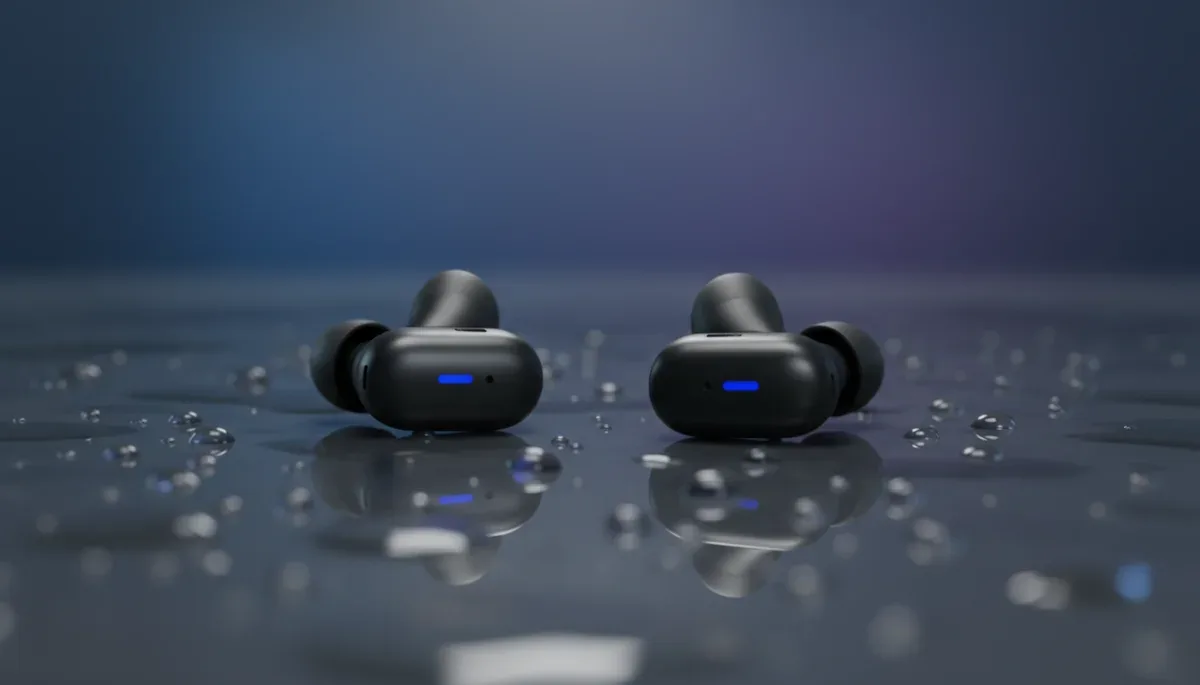
Water resistance ratings on budget Bluetooth earbuds tell you exactly how much moisture an audio device can handle before delicate internal circuitry suffers permanent damage. These ratings help shoppers determine whether an inexpensive pair can endure a sweaty morning jog, survive an unexpected rainstorm, or withstand accidental bathroom sink splashes without failing prematurely.
However, an official rating does not make audio equipment waterproof, and budget models often include major trade-offs that shoppers overlook. Understanding how laboratory testing translates to daily use helps you avoid ruined hardware, denied warranty claims, and distorted audio performance.
The mechanics behind the standard IP code system
Published water resistance ratings rely on the ingress protection code established by the International Electrotechnical Commission, commonly recognized as the IP standard. This international benchmark provides clear parameters so shoppers do not have to rely on vague marketing terms like sweatproof, weather-resistant, or splash-tolerant. When an audio manufacturer lists an IP rating, it signifies that an independent laboratory or certified in-house facility conducted standardized liquid exposure trials on the external enclosure.
Advertisement
The code consists of the letters IP followed by two digits. The first digit measures physical protection against solid foreign objects like dust, sand, and lint on a scale from zero to six. The second digit measures liquid protection against fresh water on a scale from zero to nine. When budget audio brands do not submit hardware for solid particle testing, an X replaces the first digit. That is why the vast majority of affordable wireless earbuds carry labels such as IPX4 or IPX5 rather than full alphanumeric ratings.
Key stages of laboratory testing
- Static freshwater chambers test enclosure seals at strictly controlled water temperatures and pressures.
- Oscillating spray nozzles direct steady liquid streams at multiple angles across the earbud housing.
- Post-test diagnostic procedures check whether moisture reached acoustic drivers or printed circuit boards.
- Standardized timing limits ensure equipment is exposed only for specific durations during certification.
These controlled laboratory benchmarks provide reliable comparative data, but real-world scenarios differ considerably. Laboratory testing uses neutral, room-temperature fresh water. It does not account for corrosive sweat salts, pool chlorine, ocean minerals, or high-pressure domestic tap flow. A pair that passes an official trial may still fail if exposed to everyday contaminants that degrade rubber gaskets over time.
Common water resistance levels found on affordable earbuds
When browsing online marketplaces for budget electronics, you will typically encounter three primary levels: IPX4, IPX5, and IPX7. Each of these steps represents a substantial difference in physical design, seal complexity, and manufacturing cost. Knowing what each number represents ensures you do not subject an entry-level set of earbuds to moisture levels it was never designed to resist.
The entry-level standard for modern wireless audio is IPX4. This rating verifies that the earbud casing resists splashing water from any direction for at least ten minutes. For everyday commuters, desk workers, and casual gym attendees, IPX4 offers adequate security against light rain or routine perspiration. It prevents stray droplets from penetrating the acoustic nozzle or seam lines, provided the moisture is wiped away promptly after use.
Higher budget tiers sometimes offer IPX5 or IPX7 protection. An IPX5 rating indicates resistance to sustained, low-pressure water jets fired from a 6.3-millimeter nozzle. This level handles heavier exercise sessions, steady outdoor downpours, and quick rinses under a gentle tap. An IPX7 rating steps into complete submersion, certifying that the casing can sit under one meter of fresh water for up to thirty minutes without catastrophic liquid intrusion.
Practical boundaries for common ratings
- IPX4 handles light perspiration and brief, light rain showers during daily commutes.
- IPX5 withstands heavier workouts, direct sweat runoff, and sustained low-pressure water spray.
- IPX7 survives accidental drops into shallow puddles, sinks, or clean wash basins.
- No standard consumer rating guarantees survival in hot showers, saunas, or chlorinated swimming pools.
Even when an inexpensive pair claims an IPX7 score, continuous underwater audio streaming remains impractical. Standard Bluetooth signals operate at a 2.4-gigahertz frequency, which cannot travel more than an inch or two through liquid. Consequently, submerging your head causes immediate connection dropouts regardless of how well the mechanical seals keep out moisture.
Why charging cases lack the protection of the earbuds
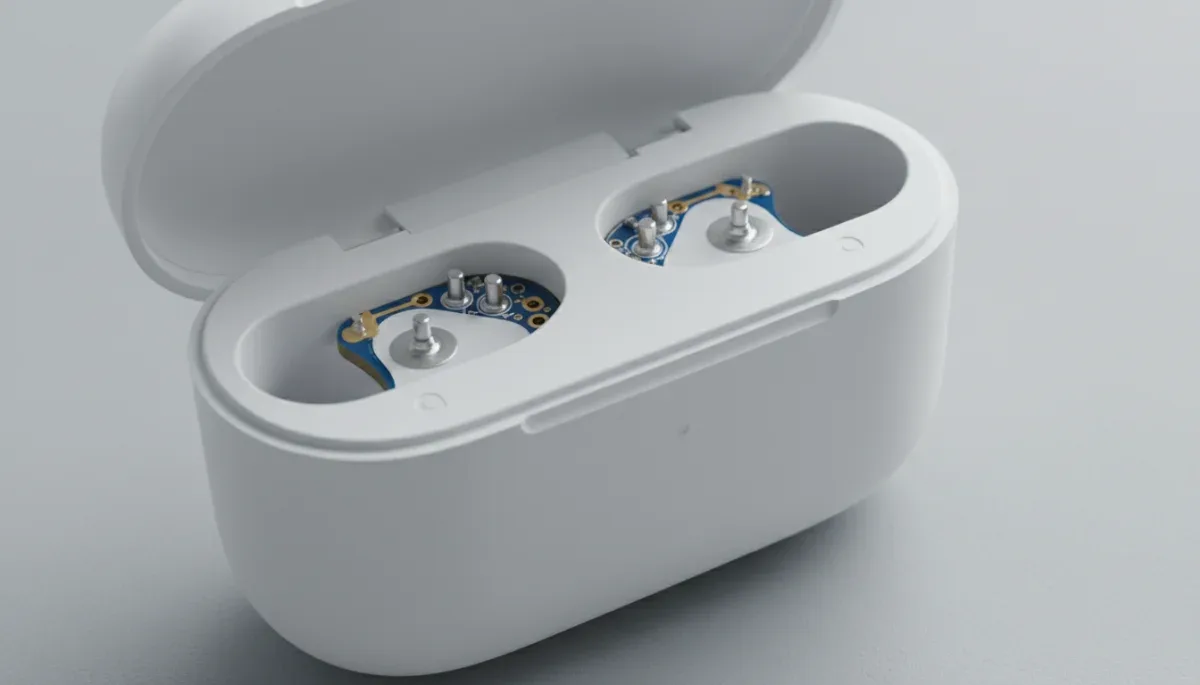
A frequent misunderstanding among wireless earbud owners involves the charging case. Consumers often assume that because the earbuds carry an IPX4 or IPX5 badge, the companion case shares identical protection. In the budget electronics market, this is almost never the case. The carrying case is an intricate battery enclosure containing USB ports, magnetic charging pins, and power management circuits that are expensive and difficult to seal.
Engineering water resistance into a clamshell case requires silicone gaskets around the hinge, sealed lid perimeters, and internal rubber boots around exposed brass contacts. These additions increase manufacturing tooling costs and physical bulk. To keep retail prices accessible, budget brands consistently leave the charging case unrated, meaning it has zero certified defense against liquid infiltration.
Placing wet earbuds directly back into their cradle is one of the most common causes of device failure. When damp brass contacts meet live electrical current inside the case, galvanic corrosion occurs rapidly. This chemical reaction eats away the gold plating, leads to terminal oxidation, and causes short circuits that stop the cradle from charging the earbuds entirely.
Safe charging practices to prevent terminal damage
- Dry the exterior plastic housing with a soft, lint-free microfiber cloth after every workout.
- Inspect the metallic charging plates on both stems to ensure no sweat film remains.
- Allow damp earbuds to air-dry completely at room temperature before closing them inside the cradle.
- Keep the charging cradle inside a sealed pocket or bag during rainy weather.
Treating the case as a delicate piece of indoor electronics preserves your gear. Even if you purchase an affordable pair that specifically advertises a splash-resistant case, the USB port itself usually remains vulnerable whenever the rubber protective flap is open or misaligned.
The difference between lab tests and everyday moisture
The International Electrotechnical Commission guidelines mandate rigorous protocols, but they isolate single variables under sterile conditions. Understanding how physical activity and domestic environments differ from testing chambers explains why budget earbuds sometimes stop working despite having a respectable technical rating on the retail packaging.
Perspiration is not pure water. Human sweat contains sodium chloride, lactic acid, and fatty lipids. When sweat enters an earbud seam or speaker mesh, the liquid evaporates, leaving solid salt crystals behind. Over weeks of regular training, these mineral deposits expand inside microscopic acoustic vents, degrading audio fidelity, muting volume, and hardening flexible silicone membrane seals until they crack.
Water velocity and ambient temperature also distort real-world outcomes. An IPX4 rating guards against falling droplets, but running past lawn sprinklers or walking through high winds pushes water droplets against mesh grilles at elevated velocities. Similarly, taking earbuds into a hot shower introduces steam. Microscopic steam molecules penetrate tight physical tolerances far more easily than liquid droplets, condensing directly onto hot electronic components once inside the housing.
Moisture hazards excluded from standard ratings
- Corrosive salt residue from heavy cardiovascular exercise that hardens around acoustic grilles.
- High-velocity liquid impact from garden hoses, automated sprinklers, or strong storm gusts.
- Pressurized hot steam and vapor from bathroom showers, saunas, and steam rooms.
- Surfactants in shampoos, body washes, and household detergents that lower liquid surface tension.
Soap and shampoo represent another unrated hazard. Surfactants actively reduce the surface tension of water, allowing moisture to slip past water-repellent acoustic meshes that would easily block ordinary rain. If an earbud falls into soapy bathwater, liquid can enter areas that standard freshwater tests would normally safeguard.
How budget manufacturing affects long-term water resistance
Premium audio manufacturers often employ acoustic membranes, liquid silicone injection molding, and nanoscale hydrophobic coatings to protect circuit boards from moisture. In contrast, budget audio devices rely primarily on mechanical press-fit construction, basic perimeter adhesives, and structural friction fits to keep manufacturing costs down.
Adhesives used in sub-fifty-dollar electronics can be sensitive to environmental wear and physical stress. Dropping budget earbuds onto concrete or asphalt may not break the outer plastic shell, but the kinetic shock can loosen internal glue joints or dislodge tiny acoustic rubber gaskets. Once an internal adhesive seal is fractured, water resistance ratings become essentially void, allowing moisture to enter through hair-thin structural gaps.
Furthermore, water resistance is never a permanent condition. All elastomeric seals, acoustic screens, and adhesive barriers naturally degrade over time due to UV exposure, earwax buildup, skin oils, and thermal expansion. Budget hardware may perform admirably during its initial months of use, but its capacity to repel moisture diminishes gradually with age and physical handling.
Factors that degrade water seals over time
- Repeated drops and mechanical impacts that break internal adhesive bonds along plastic seams.
- Exposure to acidic skin oils and earwax that slowly soften external silicone components.
- Storage in hot environments, such as parked vehicles, which melts or dries out bonding glues.
- Cleaning grilles with sharp objects or harsh alcohol solutions that dissolve water-repellent barriers.
To preserve whatever protection your hardware possesses, clean the exterior gently using a lightly dampened cloth, and avoid picking at the speaker mesh with toothpicks or safety pins. Damaging the mesh barrier immediately ruins the acoustic seal and exposes the internal dynamic driver to open air.
Decoding warranty fine print regarding liquid exposure
One of the most eye-opening realities for consumers purchasing budget electronics involves the manufacturer warranty. Many buyers believe that purchasing an earbud marked with an IPX5 or IPX7 rating provides a legal guarantee against water damage. In practice, almost every major consumer electronics warranty contains an explicit clause excluding liquid damage from warranty repairs or replacements.
Inside most wireless earbuds sits a liquid contact indicator. This small paper or synthetic pad turns from white to bright red or pink the moment moisture touches it. If an earbud stops working and you submit an RMA claim to the manufacturer, technicians inspect this indicator. If the strip shows color activation, the claim is almost universally denied under the standard liquid ingress exclusion clause, regardless of the advertised IP rating.
Manufacturers treat IP ratings as design specifications rather than performance warranties. The rating certifies that a sample unit met specific standards under pristine laboratory conditions on the day of production. It does not mean the company guarantees that individual units will survive real-world accidents, especially since brands cannot verify how deep, how hot, or how long the device remained wet.
Standard warranty terms to verify before buying
- Liquid damage exclusions in the official product user manual or terms of sale.
- Retailer return windows, which often provide better defect protection than factory warranties.
- Presence of internal liquid contact strips that trigger immediate claim denials upon moisture contact.
- Requirements to pay shipping fees for warranty evaluation on low-cost audio hardware.
Because third-party warranty claims on inexpensive electronics are frequently rejected for moisture issues, treating water resistance as an emergency safety net rather than an everyday feature is the safest strategy. Buy earbuds with the rating suitable for your workout routine, but treat them with the care you would afford any standard electronic device.
At a glance
| Rating level | What to know |
|---|---|
| IPX4 rating | Protects against light sweat and accidental splashes from any angle. |
| IPX5 rating | Withstands continuous low-pressure water sprays and heavy athletic perspiration. |
| IPX7 rating | Survives temporary freshwater submersion up to one meter for thirty minutes. |
| Charging case | Almost always lacks water resistance and must stay dry at all times. |
Frequently asked questions
Can I wear IPX4 budget earbuds while running in the rain?
Yes, IPX4 earbuds can handle light rain and ordinary sweat during outdoor runs. However, they cannot endure heavy downpours or high-velocity wind-driven rain. Wipe the earpieces completely dry before placing them back into the charging case to prevent contact corrosion.
Does an IPX7 rating mean I can swim with my earbuds?
No, you should not swim with standard IPX7 Bluetooth earbuds. While the seal survives static freshwater submersion, swimming strokes create dynamic water pressure that exceeds test limits. Additionally, Bluetooth signals cannot travel through water, causing your music to cut out instantly.
Can I shower with water-resistant budget earbuds?
No, you should never wear water-resistant earbuds in the shower. Shower steam penetrates seals much faster than liquid water, and hot temperatures warp internal gaskets. Furthermore, soaps and shampoos reduce liquid surface tension, allowing moisture to slip past water-repellent acoustic meshes.
Will my warranty replace budget earbuds damaged by water?
No, almost all manufacturer warranties specifically exclude liquid damage from coverage regardless of the IP rating. An IP score represents a manufacturing design benchmark, not an insurance policy against water intrusion. Internal moisture strips will void your repair claim if tripped.
The bottom line
Water resistance ratings on budget Bluetooth earbuds offer valuable protection against workout sweat and unexpected weather, but they are not an invitation to treat electronics carelessly. An IPX4 or IPX5 rating provides plenty of defense for daily exercise, while the unsealed charging case remains your setup's most vulnerable component. Before you purchase an inexpensive pair or take them on a rainy run, confirm the exact IP rating on the manufacturer product page and inspect your charging case for moisture.
Written by
Maria Eduarda
Maria Eduarda writes about clothes, discounts and electronics for flowershein.com. Each article explains how things work, compares published details such as prices, policies and program rules, and points readers to the official source before they decide.