
How dynamic pricing works on online checkout pages
Advertisement
Dynamic pricing on online checkout pages functions through automated software that recalculates the final cost of items, fees, or promotions based on real-time data inputs like current inventory, regional demand, and cart session timing. When an e-commerce platform refreshes a shopping cart, its pricing engine queries active inventory databases, merchant rules, and shipping fulfillment schedules to determine whether the displayed number remains valid or requires an immediate recalculation.
Understanding how dynamic pricing at checkout operates helps shoppers navigate fluctuating totals on retail websites, but the catch is that automated price updates can occur without explicit prior warning right up to the final payment authorization screen. By examining the underlying retail technology, inventory triggers, and regulatory standards, online shoppers can better evaluate why final receipts sometimes differ from original browsing figures.
The mechanics of automated checkout price adjustments
Modern online stores rarely rely on static price tags hardcoded into individual product pages. Instead, e-commerce storefronts connect to centralized enterprise resource planning systems and price-optimization algorithms. These computer programs monitor hundreds of inventory variables every second, applying mathematical models to evaluate product scarcity, supplier wholesale adjustments, and peak shopping hours. The moment a consumer initiates the checkout workflow, the system triggers a final verification call between the shopping cart interface and the back-end catalog database.
Advertisement
During browsing, product listings may rely on cached web data to reduce server load and keep browsing speeds fast across mobile and desktop devices. However, the final payment funnel cannot rely on cached figures because an actual financial transaction requires precision. If the algorithm raised the baseline price while an item sat in a customer's basket, the payment screen reconciles that difference immediately. This means that an item placed in a cart at noon might register a higher or lower base rate when the shopper finally clicks through to enter payment information at three in the afternoon.
These pricing algorithms frequently use predefined rules set by merchandising teams. A business can establish minimum floor prices, target profit margins, and automatic triggers that scale unit costs upward as available stock drops below specific thresholds. Because these calculations occur in fractions of a second via application programming interfaces, consumers rarely observe the technical processing taking place behind the scenes; they simply see an updated line item on their payment breakdown.
Inventory triggers and real-time demand shifts
One of the primary drivers behind dynamic pricing at checkout involves immediate stock levels across retail warehouses. High-volume merchants selling clothing, consumer electronics, or home goods experience constant fluctuations in stock availability. When hundreds of users place the exact same item into their digital baskets concurrently, automated inventory reservation systems begin assessing remaining supply against anticipated restock dates.
If inventory levels plunge into a critical low-stock tier, automated systems may withdraw standard promotional discounts or apply higher tier pricing to balance sales volume against supply limitations. This real-time inventory management prevents stockouts and helps stores manage fulfillment capacity. At the same time, regional logistics systems determine whether the product must be sourced from a distant fulfillment hub rather than a local warehouse, which can cause both unit costs and fulfillment surcharges to shift simultaneously during checkout.
Common factors that trigger inventory price recalculations
- Stock threshold triggers: Automated price escalations that kick in when total warehouse units drop below predetermined safety stock levels.
- Concurrent shopper demand: Algorithms registering sudden spikes in active browsing sessions for a single product category or seasonal SKU.
- Wholesale cost fluctuations: Direct automated integration with manufacturer supplier feeds that update retail prices to preserve contracted gross margins.
- Supply chain bottlenecks: Temporary fulfillment constraints that prompt merchants to suppress discount pricing to slow incoming order volume.

Fulfillment, regional logistics, and delivery calculations
Dynamic pricing at checkout frequently manifests not in the headline product price, but in the final calculation of shipping, handling, and logistics fees. When a shopper initially browses a catalog, shipping estimates are often generic or assume delivery to a central distribution zone. Once a customer reaches the checkout phase and provides a full delivery address including postal code, the retailer's logistics engine computes the precise fulfillment route.
This dynamic calculation evaluates the physical distance between the customer and the specific warehouse holding the merchandise. If an order contains multiple items located in separate facilities, the software must determine whether to consolidate the shipment or dispatch multiple parcels. Factors such as carrier fuel surcharges, regional carrier capacity caps, and dimensional weight constraints are factored into the final shipping line item in real time. During severe weather disruptions or regional carrier delays, automated shipping systems may dynamically disable economical ground shipping options in favor of costlier priority routes to protect delivery guarantees.
Additionally, state and local sales taxes are dynamically fetched and added at this stage based on official municipal tax tables. While sales tax represents a legal statutory obligation rather than merchant pricing discretion, its sudden addition to the order summary frequently catches consumers off guard, leading many shoppers to assume that the baseline product cost increased when in fact the regional fulfillment obligations adjusted the balance.
Cart expiration, promotional rules, and algorithmic timers
Promotional codes, digital coupons, and temporary sale events represent another major point where dynamic pricing at checkout alters a customer's final total. Online retailers commonly implement strict programmatic boundaries for promotional offers. These boundaries include fixed expiration times, usage limits per household, and minimum spending thresholds that exclude clearance or partner-fulfilled goods.
When a shopper enters the checkout funnel, the platform executes a validation check against all applied promotions. If a promotional campaign was scheduled to expire at midnight Eastern Time, a shopper finishing an order at 12:01 AM will watch the promotional discount vanish from the payment summary before they can complete the transaction. Similarly, many e-commerce sites implement cart reservation timers. If a shopper steps away from their computer or leaves an app open without completing the order within a standard fifteen- to thirty-minute window, the system automatically releases the held inventory back to public availability, frequently stripping temporary price locks in the process.
Programmatic rules that void checkout discounts
- Cart inactivity timeouts: Security and inventory reservation sessions that void pending discounts once a defined period of inactivity elapses.
- Exclusion list updates: Mid-campaign catalog adjustments where certain brand partners or high-demand categories are retroactively excluded from universal promo codes.
- Total cart value adjustments: The automatic removal of a minimum-purchase discount when an out-of-stock item is dropped from the active cart.
- Single-use redemption ceilings: System checks verifying whether a coupon code has exceeded its nationwide or account-level redemption quota.
Legal frameworks, transparency rules, and consumer protections
In the United States, online pricing practices are subject to federal and state consumer protection standards enforced by regulatory bodies such as the Federal Trade Commission (FTC) and state attorneys general. Under Section 5 of the Federal Trade Commission Act, unfair or deceptive practices in commerce are unlawful. This legal standard applies directly to how prices are disclosed, calculated, and presented throughout digital checkout funnels.
While dynamic pricing itself is lawful—businesses have the legal right to change their prices based on market supply and demand—merchants cannot engage in deceptive pricing or hidden fee structures, often referred to by regulatory agencies as drip pricing. Drip pricing occurs when a merchant advertises an initial low baseline price but conceals mandatory fees until the final steps of checkout. Regulatory guidelines require that mandatory fees be disclosed clearly and conspicuously before the consumer commits to a transaction.
Furthermore, federal laws strictly prohibit discriminatory pricing based on protected characteristics such as race, color, religion, sex, or national origin. The FTC and consumer advocacy groups continuously monitor algorithmic pricing models to ensure that automated machine learning systems do not inadvertently create discriminatory outcomes or violate truth-in-advertising statutes. When pricing software updates an item's price at checkout, the checkout system must clearly display the revised total and require the consumer's explicit consent before finalizing the charge on the payment card.
Practical habits to manage fluctuating checkout costs
Navigating automated pricing engines requires consumers to adopt clear, practical shopping habits. Because price changes occur in response to system inputs, deliberate shopping practices can minimize the risk of paying an unexpected surcharge or losing an eligible promotional rate. Being aware of how browser sessions, cart timing, and checkout progression interact with retail servers puts buyers in a stronger position.
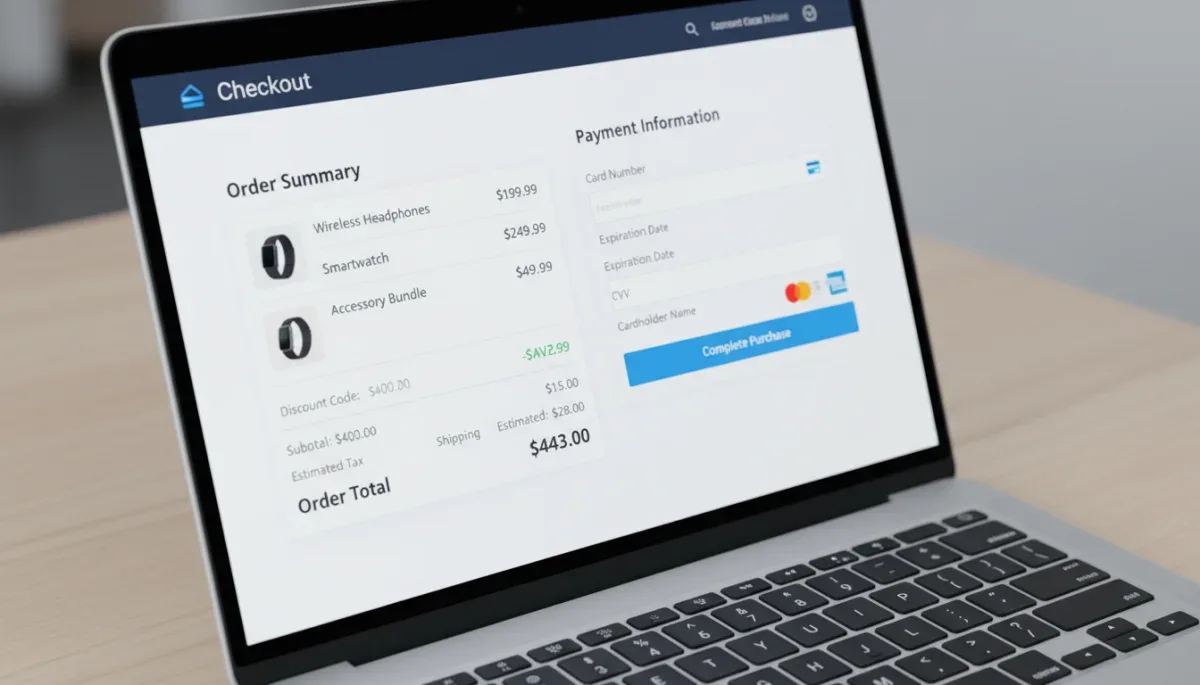
One sensible practice is reviewing the complete line-item breakdown immediately prior to clicking the final submission button. Many checkout screens feature multiple confirmation pages: entering shipping information, selecting delivery speed, entering payment details, and a final review step. The price displayed on the final review screen is the only legally binding number submitted to the card issuer. Checking every line item—including item base cost, sales tax, shipping fees, and subtracted discounts—ensures that no algorithm-driven adjustment slipped through unnoticed.
Useful checkout habits for online buyers
- Complete purchases promptly: Avoid holding active carts open across multiple days, as unfinalized sessions rarely preserve temporary sale prices or inventory reservations.
- Verify promo codes on the final screen: Confirm that active promotional discounts remain visible after entering credit card information and shipping selections.
- Inspect fulfillment tier defaults: Check that the checkout system has not automatically selected an expedited or premium shipping tier over a standard free option.
- Document order confirmations: Take a screenshot or keep a copy of the final review screen to compare against the final emailed sales receipt and bank statement.
At a glance
| Checkout factor | What to know |
|---|---|
| Inventory changes | Stock depletion triggers automated software rules that increase unit prices or remove active volume markdowns. |
| Fulfillment calculations | Final shipping costs depend on exact delivery postal codes, warehouse proximity, and package dimensions. |
| Promotional expiration | Discounts can disappear at checkout if reservation timers expire or campaign budgets reach their limits. |
| Legal protections | Federal regulations require explicit disclosure of all mandatory fees before payment processing can take place. |
Frequently asked questions
Can an online store change the price of an item while it is in my cart?
Yes, stores can change prices while items sit in your cart. Placing a product in a digital shopping cart does not constitute a completed legal contract or a guaranteed price lock. Unless a site explicitly advertises a temporary price-lock feature, the price can update based on warehouse software rules until payment is processed.
Is dynamic pricing on checkout pages illegal under federal law?
No, dynamic pricing itself is entirely legal in the United States. Retailers are permitted to adjust prices based on supply, market demand, and business costs. However, federal and state consumer protection laws prohibit deceptive pricing, hidden mandatory fees, or any pricing adjustments that discriminate against protected consumer classes.
Why does my shipping fee increase after I type in my address?
Shipping fees adjust dynamically because initial estimates rely on generic regional averages. Once you enter your exact street address and zip code, the merchant's logistics software calculates the real distance from the fulfillment warehouse, local carrier surcharges, and package weight to determine the actual delivery cost.
What should I do if the price jumps right before I place an order?
Review the itemized summary carefully to identify which line item changed. If the base price increased or a promotional coupon disappeared, you can choose to abandon the transaction, search alternative retail platforms, or contact customer service to ask whether the merchant will honor the earlier quoted rate.
The bottom line
Dynamic pricing at checkout relies on automated algorithms that balance inventory levels, regional fulfillment expenses, and promotional expiration dates in real time. While these systems help online merchants manage operational costs, they mean that prices displayed during early browsing sessions are never entirely fixed. Before authorizing any online transaction, carefully examine the itemized summary on the final review page to confirm that the base price, shipping fees, and applied discount codes match what you agreed to pay.
Written by
Mariana Viana
Mariana Viana writes about clothes for flowershein.com. Each article explains how things work, compares published details such as prices, policies and program rules, and points readers to the official source before they decide.