
How to choose renter-friendly curtain rods without drilling
Advertisement
Choosing the right no drill curtain rods comes down to matching the weight of your drapery with your specific window frame style. You can install several hardware varieties without puncturing drywall, including internal tension bars, adhesive wall brackets, magnetic mounts, and brackets that hook directly over pre-existing horizontal blind headers.
This approach helps apartment dwellers, students in dorms, and residential renters hang privacy drapes without forfeiting a security deposit, though heavy blackout curtains still demand strict adherence to manufacturer load limits. Selecting the wrong mounting style can pull away latex paint or bend window trim, so understanding the mechanics of each non-invasive system prevents costly move-out repairs.
Understanding the four main styles of no drill curtain rods
Renter-friendly curtain hardware relies on mechanical friction, chemical bonding, or existing architectural anchor points rather than metal wood screws driven into drywall anchors. The most familiar version is the spring-loaded tension rod, which uses an internal coiled spring to push rubberized end caps against the opposite interior sides of a window frame. A close relative is the twist-and-lock tension rod, which features an internal threaded mechanism that expands outward until friction locks the rod securely between parallel window jambs.
Advertisement
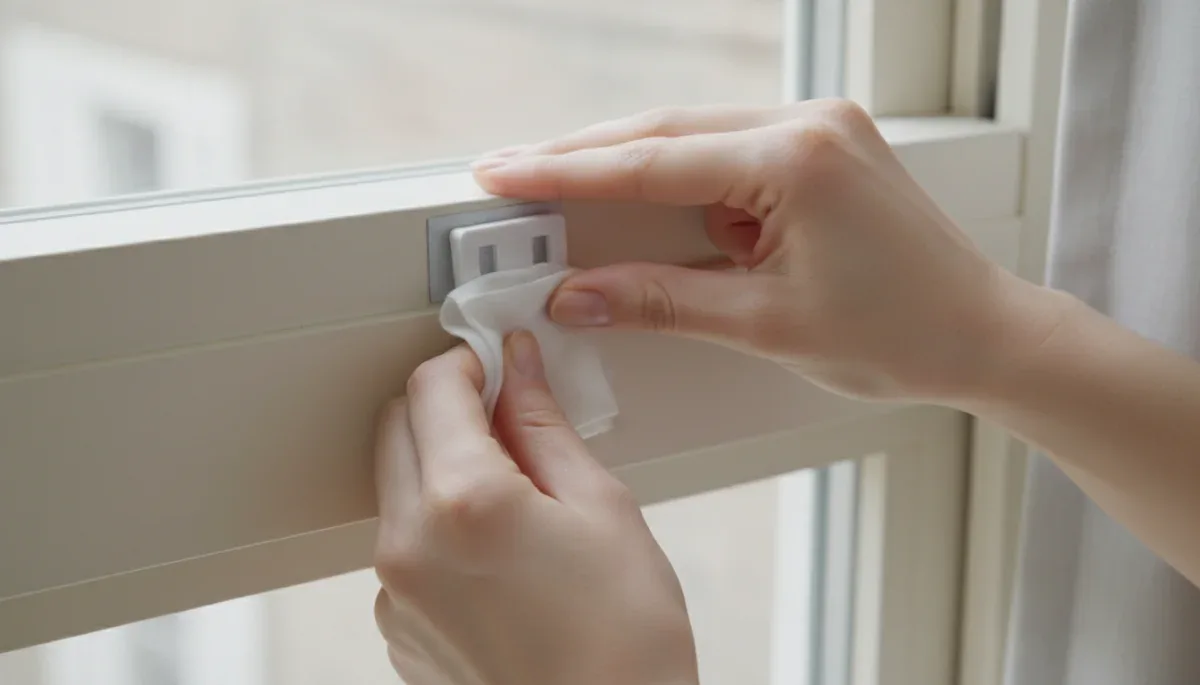
Another common choice is the adhesive bracket system, manufactured by brands such as Command by 3M. These plastic or lightweight metal brackets use peel-and-stick foam strips with pressure-sensitive adhesives that bond to smooth painted surfaces. When you move, pulling the exposed rubber tab downward parallel to the wall releases the bond cleanly without pulling off the underlying drywall paper.
For rooms fitted with pre-installed metal mini-blinds, specialized clip brackets clamp onto the existing steel blind headrail. Products like Non-Drill Blind Brackets or Kwik-Hang adapters slide onto the top casing without screws, borrowing the stability of fixtures already installed by the landlord. Finally, magnetic rods work on steel door frames or metal casement windows, relying on neodymium magnets inside decorative end bases.
Primary hanging mechanisms for rentals
- Spring-loaded tension bars: Best for lightweight fabric hung entirely within recessed window casings.
- Adhesive-backed mounting hooks: Suitable for standard drapery rods placed above trim on smooth drywall or painted wood.
- Over-the-blind headrail brackets: Ideal for apartments where landlords have already installed functional horizontal blinds.
- Neodymium magnetic brackets: Designed exclusively for steel front doors, patio doors, and metal industrial window frames.
Matching curtain fabric weight to your mounting hardware
Every non-invasive curtain rod carries a manufacturer load rating, typically ranging from three pounds to fifteen pounds per pair of brackets. Ignoring these thresholds causes sagging rods, sudden falls, and peeled wall surfaces. Sheer polyester panels generally weigh less than one pound per panel, making them safe for any lightweight spring tension bar. In contrast, double-layered woven cotton, crushed velvet, or insulated thermal blackout curtains frequently exceed seven to ten pounds per pair.
Standard adhesive brackets have documented capacity ratings printed on their retail packaging. For example, Command large window brackets typically hold up to five pounds per pair when applied to clean surfaces, while heavy-duty varieties reach ten pounds when using multiple center support brackets. If your fabric selection requires a middle support bracket to prevent the rod from bowing, you must account for the additional adhesive footprint above the center of the window opening.
Tension bars experience lower load limits as their length extends. A steel tension rod rated for twelve pounds at a compressed length of twenty-eight inches might hold only six pounds when extended to forty-eight inches because the central joint loses structural rigidity under lateral leverage. Choosing drapery with grommets or clip rings reduces pulling friction, preventing sudden downward force on the hardware when you draw your curtains closed each evening.
Assessing window frames and wall surfaces before buying
The architectural trim around your windows dictates which no drill curtain rods will function without slipping. An inside mount, where the rod rests between the inner wooden, vinyl, or drywall reveals of the casing, requires at least one to two inches of flat jamb depth. If your window has slanted framing, rounded bullnose drywall corners, or shallow trim, tension rods cannot seat flush and will inevitably slide down under the weight of fabric.
Surface chemistry determines the success of adhesive brackets. Pressure-sensitive adhesive strips bond reliably to smooth, cured latex paint, finished sealed wood, tile, and metal. They fail unpredictably on heavily textured plaster, orange peel or knockdown drywall, vinyl wallpaper, and unpainted brick. Furthermore, manufacturers explicitly caution against applying adhesive pads to freshly painted walls; latex paint requires thirty days to cure completely before it can support sheer loads without delaminating from the drywall paper.
How to measure your windows for a secure fit
Accurate measurement prevents purchasing rods that fail to expand far enough or brackets that sit unevenly. Use a firm steel tape measure rather than a flexible tailor tape, which can stretch and yield inaccurate readings across long spans. For an inside mount with tension hardware, measure the interior width of the window frame at the top where the rod will sit, as older wooden frames often warp, resulting in different measurements at the top, middle, and sill.
When measuring for an outside mount using adhesive brackets or over-casing hooks, calculate both the width of the window opening and the width including the decorative casing. You will want the curtain panels to stack clear of the glass when opened to maximize incoming daylight. This arrangement usually requires placing brackets two to four inches outside the outer edge of the trim and two to three inches above the top casing.
Essential measuring steps for rental windows
- Determine casing depth: Verify that the window frame has at least one and a half inches of flat interior jamb for tension rods.
- Record upper opening width: Measure the exact span across the top interior frame to pick a tension rod range where your span sits in the middle.
- Calculate rod extension width: Add four to six inches total for outside-mount brackets to let curtains rest outside the window glass when open.
- Check curtain drop length: Measure from your intended bracket height down to the floor or sill to confirm the required drapery panel length.
Safe removal practices to protect your security deposit
Renter-friendly hardware only preserves your security deposit if removed correctly at the end of your lease. Rushing to pack by yanking adhesive brackets off the wall inevitably tears the top paper layer of the drywall, creating a gouge that requires spackling and paint color matching. Quality brand adhesives release their chemical grip through horizontal sheer stretching, not outward pulling.
To remove adhesive brackets, grasp the plastic hook firmly with one hand without pressing it into the wall. With your other hand, pull the release tab slowly straight downward, keeping it flat against the surface. Continue stretching the strip downward up to twelve inches until the rubberized adhesive releases smoothly from the wall. If an adhesive strip snaps prematurely, soften the residual bond by directing warm air from a household hair dryer onto the bracket for thirty seconds, then slide a piece of dental floss gently behind the bracket to saw through the foam.
Tension rods require gentle handling as well. Twisting the rod inward to reduce tension before pulling it down prevents the rubberized end gaskets from scraping paint off the interior window jambs. Over time, some rubber pads leave light oil or carbon residue on white trim; wipe these areas clean using a mild dish soap solution or a light pass with a melamine foam sponge before your landlord conducts the final move-out inspection.
Comparing costs and long-term durability across budget options
Budget constraints play a significant role in outfitting an entire apartment with multiple windows. Basic spring-loaded steel tension rods represent the most economical option, typically costing between eight and fifteen dollars per window at major retailers like Walmart, Target, or Amazon. These bars feature minimal decorative flair and conceal best when paired with rod-pocket curtains that cover the entire metal barrel.
Adhesive bracket sets and specialized metal tension rods with decorative finials fall into a moderate price bracket, ranging from fifteen to thirty dollars per window. These offer the traditional look of standard screwed-in curtain rods, allowing renters to use clip rings, tab-top drapes, or modern metal finishes like oil-rubbed bronze, brushed nickel, and matte black. Replacement adhesive strips cost only a few dollars, meaning you can pack the hardware and reuse it across multiple future apartments.
Clamp-on brackets and magnetic bars designed for metal fixtures represent a premium category, costing between twenty and forty dollars per pair. While slightly more expensive, their all-metal construction provides years of reuse without requiring consumable adhesive refills. Selecting the right model for each room keeps your decorating budget manageable while guaranteeing that your window treatments remain securely suspended throughout your tenancy.
At a glance
| Mounting style | Key considerations for renters | ||
|---|---|---|---|
| Spring tension rod | Lowest cost option; fits inside frame only; strictly for lightweight panels. | ||
| Adhesive wall brackets | Mounts outside frame on smooth drywall; requires patience during wall removal. | Over-blind headrail clamps | Attaches directly to existing rental blinds; leaves zero wall marks. |
| Neodymium magnetic rods | Only works on steel surfaces; zero adhesive or friction marks left behind. |
Frequently asked questions
Can you hang heavy blackout curtains with tension rods?
Standard tension rods usually cannot support heavy blackout curtains because dense thermal fabrics often exceed ten pounds. Over extended spans, the central joint bows and slips downward. If you prefer blackout drapes, opt for multi-bracket adhesive sets or over-blind brackets rated for higher weight capacities.
Do adhesive curtain rod brackets damage painted drywall upon removal?
Adhesive brackets do not damage sound drywall if you follow the stretch-release removal instructions properly. Damage occurs when renters pull the tab outward away from the wall rather than stretching it straight down flat against the surface, or when applied over uncured fresh paint.
What is the best curtain rod for windows without trim or molding?
Windows without decorative molding or recessed jambs benefit most from heavy-duty adhesive brackets placed directly onto the flat drywall. Because there are no interior frame sides for tension rods, surface-mounted adhesive hardware is the safest no-drill alternative available to renters.
How do you keep tension curtain rods from slipping down?
Clean the interior window casing thoroughly with isopropyl alcohol before hanging to remove grease and dust. Additionally, ensure the rod is adjusted slightly wider than the opening before compressing it into position, or attach silicone grip pads to the end caps for added friction.
The bottom line
Choosing dependable no drill curtain rods requires matching the mounting mechanism to your window frame architecture and keeping the total fabric weight well within the hardware manufacturer rating. Before you purchase curtains or mounting kits, measure your interior frame depth and verify your wall texture so you can hang your window treatments without jeopardizing your security deposit.
Written by
Rita Lima
Rita Lima writes about clothes for flowershein.com. Each article explains how things work, compares published details such as prices, policies and program rules, and points readers to the official source before they decide.