
How Online Restocking Fees Work on Tech and Bulky Goods
Advertisement
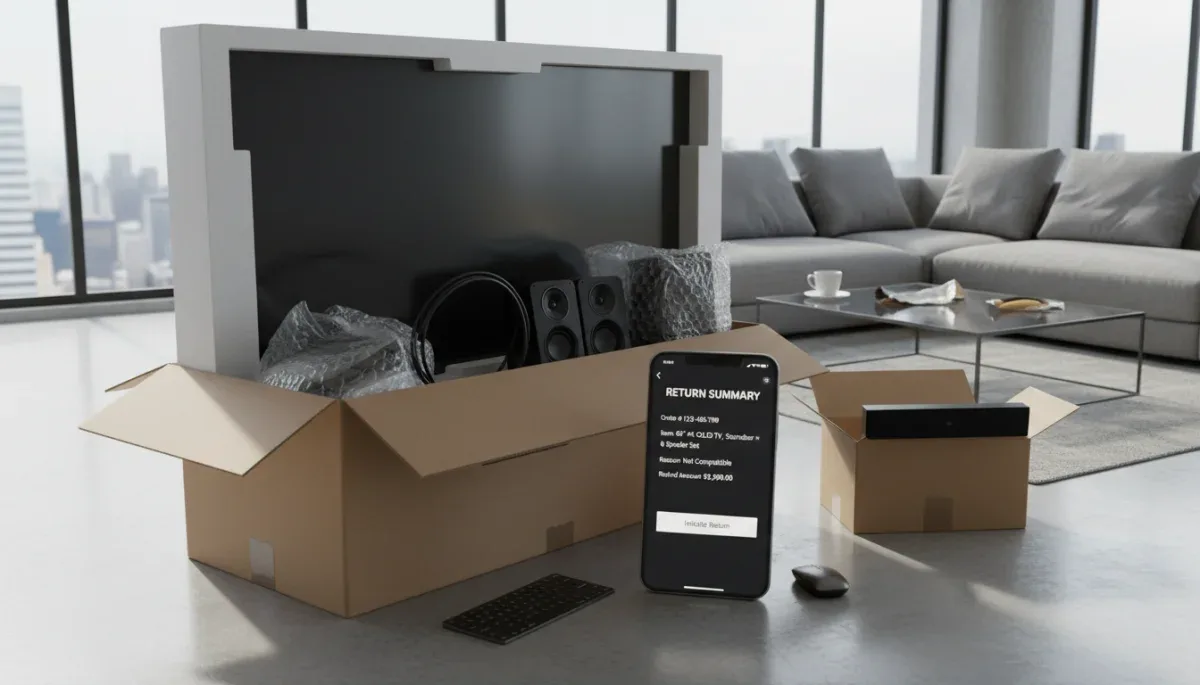
Online restocking fees are percentage or flat-rate charges deducted directly from your refund when you return opened merchandise, intended to offset the cost of inspecting, repackaging, and discounting items that can no longer be sold as brand new. Understanding how these fees function helps shoppers purchasing expensive consumer electronics, large appliances, and assembled furniture avoid losing dozens or even hundreds of dollars on an unexpected return penalty.
This breakdown explains standard retailer deduction schedules, the legal disclosures merchants must provide under state consumer protection statutes, and the exact physical conditions that trigger deductions on bulky goods. While return policies can protect buyers against genuine manufacturing defects, discretionary returns based on buyer remorse often leave consumers absorbing shipping and restocking penalties they failed to notice at checkout.
Why retailers charge online restocking fees
Retailers introduce restocking fees primarily because processing returns on complex physical goods incurs immediate operational losses. When an online shopper orders a laptop, camera, or robotic vacuum, the original purchase price assumes the inventory moves directly from a fulfillment center to an end consumer with zero secondary touchpoints. Once that seal breaks, the supply chain reverses, requiring specialized labor, diagnostic testing, component inventory verification, and inventory reclassification before the unit can re-enter commerce.
Advertisement
Unlike apparel, where an unworn garment with its tags attached can often be steamed, re-bagged, and placed back into active primary inventory at full price, electronics carry serialized security tracking, internal memory registers, and proprietary factory packaging. A retailer must legally disclose whether an item has been previously opened or used before reselling it to another buyer. In the United States, selling a returned, opened electronic device as brand-new violates Federal Trade Commission guidelines regarding deceptive trade practices, forcing major merchants to liquidate or market the item through open-box channels at discounts between ten and thirty percent below regular retail pricing.
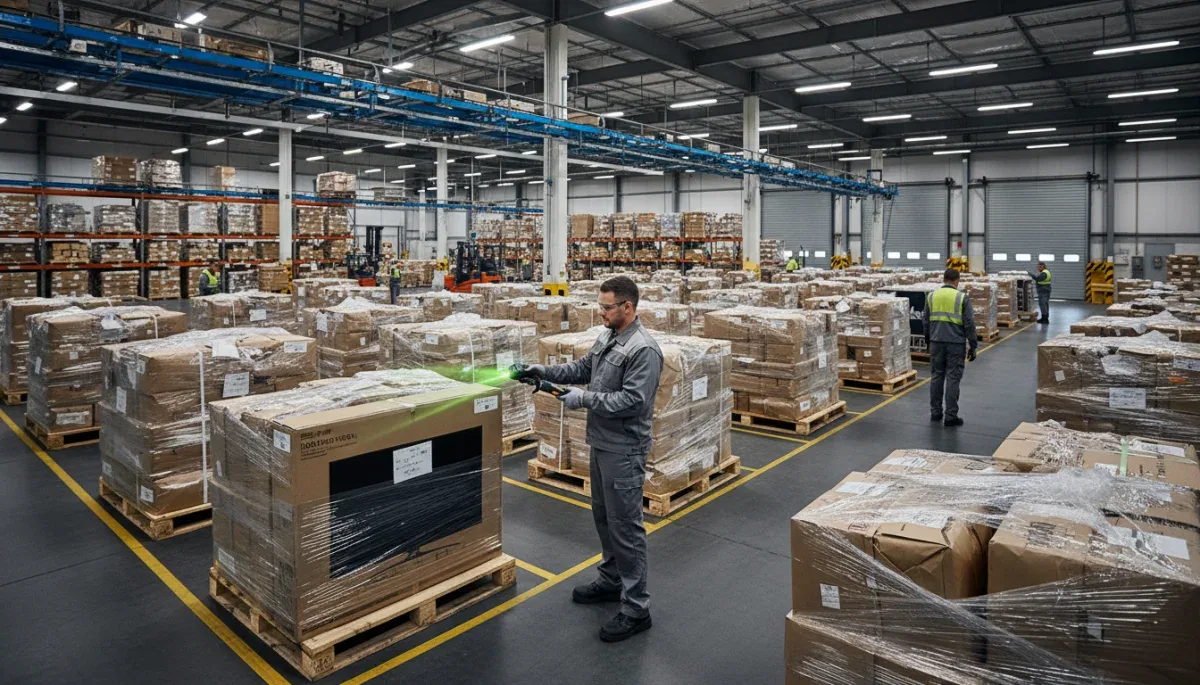
Bulky home goods introduce an entirely different logistical problem centered around freight transit. Standard parcel carriers operate automated sorting belts designed for small, stackable cartons, but items such as sectional sofas, treadmills, mattresses, and large-screen televisions require less-than-truckload freight networks. When a freight carrier collects an opened oversized carton from a residential doorstep, the retailer absorbs line-haul trucking expenses, manual terminal handling, and warehouse footprint staging fees. Restocking penalties ensure that consumers share the financial burden of these logistics rather than the retailer absorbing total loss on every change of mind.
Furthermore, merchants use restocking policies as behavioral guardrails against consumer practices known colloquially as wardrobing or speculative ordering. Shoppers sometimes order three high-end digital cameras or two projector setups with the premeditated intent of testing them over a weekend and returning the less-favored models. Placing a financial consequence on opening and returning non-defective goods discourages speculative buying and stabilizes warehouse overhead throughout peak retail cycles.
Categories most vulnerable to deduction penalties
Not every department in an online store carries equal exposure to restocking deductions. Retailers categorize their catalog based on product fragility, depreciation speed, and the complexity required to recertify an opened unit. Checking the specific department policy before submitting an order provides clarity on potential downside costs.
High-risk electronic devices
- Computers and tablets: Laptops, custom desktop towers, and tablets require complete cryptographic data wipes, operating system reinstallation, and battery cycle inspections before resale.
- Digital cameras and lenses: Optical equipment features sensitive image sensors and internal stabilization mechanisms that require clean-room inspection for dust, lens scratching, and shutter count usage.
- Drones and aerial photography equipment: Flight hardware demands motor telemetry analysis, firmware diagnostics, and airframe crash checks to verify that structural integrity remains intact.
- Mobile phones and cellular hardware: Unlocked smartphones incur carrier activation reconciliation, IMEI database clearing, and factory cryptographic reset protocols.
- Projectors and home theater components: High-lumen bulbs track lamp hours, and visual receivers contain internal configuration settings that require manual hardware resets.
Consumer electronics depreciate rapidly once unboxed because manufacturers regularly iterate hardware cycles on an annual calendar. An open-box device returned thirty days after launch must compete against discounted factory refurbished units and upcoming production refreshes. By contrast, passive consumer goods like computer cables, phone cases, and simple peripherals rarely carry restocking charges unless their clamshell blister packaging has been torn beyond utility.
Bulky home goods represent the second category where deductions frequently catch consumers unprepared. Heavy furniture, adjustable standing desks, massage chairs, and major kitchen appliances require substantial pallet space and specialized freight handlers. Even when an online retailer offers complimentary outward freight during a promotional campaign, the terms and conditions generally specify that return freight, combined with a ten to twenty percent processing assessment, will be deducted from any final ledger credit.
How marketplace sellers complicate the return process
Purchasing goods through third-party platforms presents an additional layer of policy complexity. Major retail portals host millions of independent merchants operating under enterprise marketplace frameworks. While the primary hosting platform establishes broad buyer protection guarantees, individual third-party merchants retain wide latitude regarding their specific return rules and restocking assessments.
A marketplace seller shipping goods directly from their own regional facility typically shoulders direct merchant processing fees, outward postage, packaging materials, and platform commission cuts. If an order comes back opened, that independent business must absorb the entire administrative cost structure. As a result, third-party sellers on retail platforms frequently enforce the maximum permitted restocking deduction allowable under the platform's overarching merchant guidelines, provided the terms were accessible to the customer prior to purchase.
Disputes frequently arise when shoppers confuse items fulfilled directly by the platform warehouse with items sold and shipped by independent businesses. When a platform manages fulfillment, returns generally route back to an automated distribution center where standard platform rules apply. However, when an item ships directly from an independent merchant, the return label routes to that merchant's private address. The merchant then inspects the package contents personally, cross-referencing serial numbers, cable ties, protective plastic films, and manual inserts.
If a third-party seller discovers missing registration cards, crumpled documentation, or damaged internal styrofoam inserts, they may legally assess condition-based depreciation charges. In many instances, the resulting deduction reflects not only the baseline restocking fee published on their seller storefront page, but also an additional item condition deduction permitted because the merchandise arrived back in a downgraded state compared to its original dispatch condition.
The critical difference between defects and buyer remorse
Under standard retail law and established merchant practices, a fundamental distinction exists between returning an item due to a functional defect versus returning an item due to discretionary buyer remorse. Restocking fees are almost universally prohibited on goods that arrive damaged, fail to operate according to manufacturer specifications, or materially diverge from the advertised listing description.
If a newly unboxed television exhibits dead pixels, power supply failure, or cracked casing straight out of the box, consumer protection standards require the seller to make the buyer whole through a replacement, repair, or full refund without deductions. In such instances, the cost of transit and inventory recovery falls squarely upon the retailer and original manufacturer under implied warranty standards. The consumer is not returning the product because they decided against owning it; they are returning it because the contract of sale was breached by non-functioning hardware.
Conversely, buyer remorse encompasses every scenario where the product operates correctly, but the purchaser chooses not to keep it. Common remorse scenarios include:
- Discovering that a television or soundbar does not physically fit inside an entertainment cabinet or room layout.
- Realizing that an appliance requires an electrical outlet voltage or plumbing connection not present in the home.
- Deciding that the software interface, color profile, or ergonomics of a device feel unintuitive during personal use.
- Finding an identical piece of electronics or furniture at a lower price point from a competing vendor after delivery.
- Purchasing multiple variants of a product to compare features at home with the advance intention of returning all but one.
In every remorse scenario, the item is functionally sound, and the retailer has satisfied its fundamental obligation to deliver what was ordered. Therefore, contractual provisions permitting restocking deductions and return shipping deductions take full effect. Proving a product arrived defective requires clear, prompt communication, photographic evidence, and formal documentation before initiating the return label process.
Legal disclosure rules and state consumer protections
While retailers possess broad authority to establish return policies on non-defective goods, they cannot impose restocking penalties arbitrarily. In the United States, commercial codes require that fee schedules and return limitations be clearly and conspicuously disclosed to the buyer prior to the finalization of the commercial transaction.
Several states maintain strict consumer protection statutes governing how and where return terms must appear. For instance, California law specifies that if an online retailer does not clearly post its return policy—including any applicable restocking fees—on its website or checkout screen, the consumer may return the merchandise for a full cash refund within thirty days of purchase, provided they possess proof of purchase. Similar statutory frameworks exist in states like New York, Florida, and Massachusetts, where ambiguous or hidden fee disclaimers operate in favor of the consumer during formal payment disputes.
To meet legal transparency criteria, reputable e-commerce platforms deploy several disclosure techniques during the purchasing flow:
- Displaying dedicated return policy hyperlinks directly beneath the digital add-to-cart button on product pages.
- Itemizing potential open-box restocking percentages within the expandable specification drawer for high-value tech.
- Inserting explicit policy checkboxes or non-refundable alerts into the final payment confirmation screen.
- Printing the complete item-specific return conditions on the digital order confirmation and physical packing slip.
If an online storefront hides its restocking rules inside obscure, buried terms-of-service documents that are not linked from the product page or checkout flow, consumers have strong legal grounds to contest any post-return deductions. Credit card issuers regularly reverse restocking fee debits through the chargeback dispute process when an issuing bank finds that the merchant failed to provide clear, conspicuous pre-purchase disclosure as mandated by state commercial regulations.
Practical steps to avoid or minimize return deductions
Avoiding unexpected deductions requires proactive planning before cutting packaging tape or breaking manufacturer seals. Implementing a systematic approach to unboxing and evaluation shields you from avoidable condition-based penalties if an item ultimately proves unsuitable for your space or technical setup.
The moment a high-value or bulky delivery arrives, inspect the exterior transit carton thoroughly before signing carrier acceptance forms. If you notice severe box crushing, punctures, or water ingress on a palletized appliance or television, document the damage with high-resolution photographs and instruct the freight driver to record the carton state on the delivery receipt. Should you discover internal damage later, these immediate delivery records establish that the defect originated during carrier handling rather than from residential misuse.
When opening electronics, treat all internal materials with extreme care. Keep every twist tie, plastic sleeve, protective static barrier, peel-away screen sticker, power cable adapter, and printed manual. Retail inspection personnel evaluate return packages using strict component checklists. A missing accessory, such as a proprietary remote control or remote battery door, can cause a merchant to reclassify the package from a standard return down to an incomplete return, which instantly triggers an escalated deduction percentage.
Whenever technically feasible, test device compatibility without destroying the structural integrity of factory boxes. Avoid slicing through barcodes, product identification stickers, or serial number plates on the exterior packaging. If an item simply does not fulfill expectations, initiate the return process as early as possible within the merchant's stated calendar window. Retail policies often become more restrictive as the return deadline nears, and returning an item well before the cutoff provides time to resolve transit delays or secondary inspection questions with customer support.
At a glance
| Return factor | What to know |
|---|---|
| Standard deduction range | Most major electronics retailers charge between ten and fifteen percent for opened merchandise. |
| Bulky freight items | Large appliances and furniture typically combine restocking fees with deducted round-trip shipping charges. |
| Defective product exemption | Retailers cannot legally charge restocking penalties on items that arrive damaged or mechanically defective. |
| Disclosure requirements | Fee policies must be clearly visible prior to checkout to be legally enforceable under state consumer laws. |
Frequently asked questions
Can a store charge a restocking fee on an unopened box?
No, reputable retailers do not charge restocking fees on unopened items with intact factory seals, provided they are returned within the standard policy window. However, the store may still deduct original or return freight shipping costs from your refund if the return was initiated due to buyer remorse.
What should I do if an item arrives defective?
Contact customer support immediately and provide clear photos of the defect, serial numbers, and packaging before requesting a return label. Ensure the return authorization is classified specifically as damaged in transit or defective merchandise so the automated warehouse intake system does not apply discretionary restocking deductions.
Are restocking fees allowed on returned clothing or shoes?
Restocking fees are rare for standard apparel and footwear because clean, tagged garments can be returned directly to active inventory. However, certain luxury apparel brands or made-to-order boutiques may assess processing charges, which must be clearly stated on their website product listings and checkout pages.
Can I dispute an undisclosed restocking fee with my bank?
Yes, you can file a formal chargeback dispute with your credit card issuer if the merchant deducted a fee that was never disclosed prior to purchase. Banks evaluate merchant compliance with legal disclosure rules and frequently reverse deductions that were concealed within vague terms of service.
The bottom line
Restocking fees exist to protect retail profit margins on items that experience rapid depreciation or steep freight logistics once unboxed, making careful pre-purchase research essential for every consumer. Before purchasing high-value electronics or bulky furniture online, confirm whether the merchant charges an open-box penalty, check whether freight return shipping is your responsibility, and always inspect the physical condition of the packaging before breaking factory seals.
Written by
Mariana Viana
Mariana Viana writes about clothes for flowershein.com. Each article explains how things work, compares published details such as prices, policies and program rules, and points readers to the official source before they decide.