
Rayon versus Lyocell: Which Fabric Is Better for Shirts
Advertisement
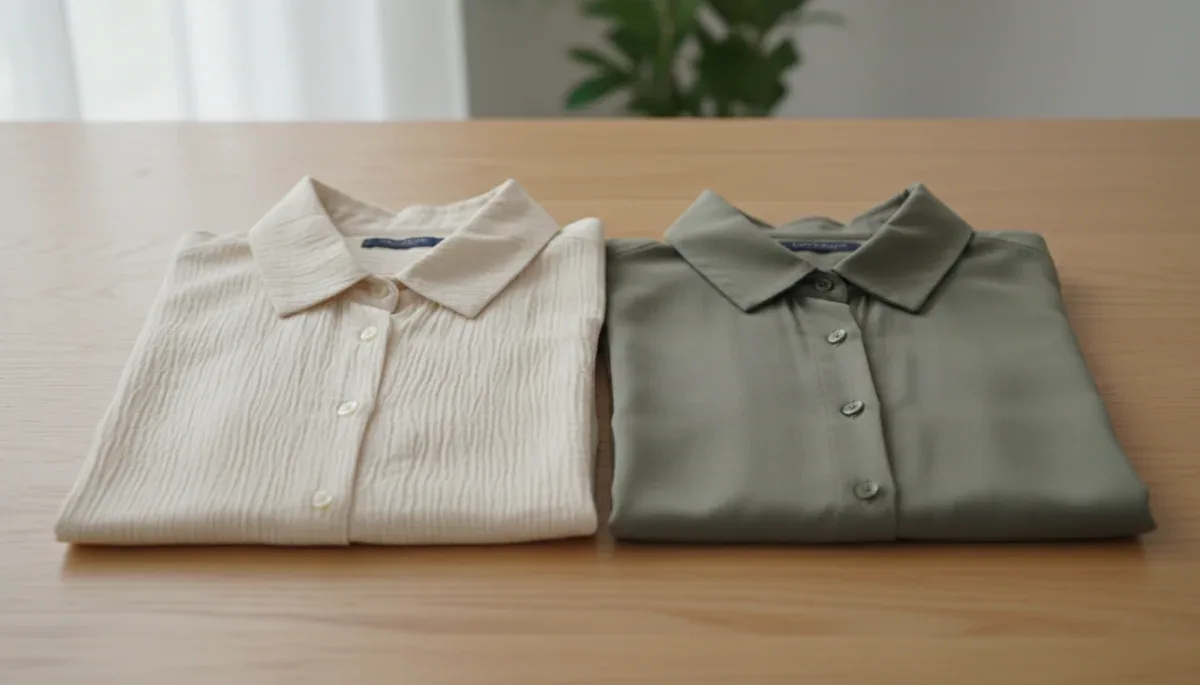
Choosing between rayon versus lyocell for everyday casual shirts comes down to balancing price against durability and wash tolerance. Lyocell holds its strength when wet and resists shrinking in cool wash cycles, while standard rayon provides a fluid, breezy drape at an entry-level price point.
This comparison helps online shoppers evaluate fabric tags on budget-friendly and mid-tier retail platforms before completing an order. The main tradeoff is that standard rayon requires gentler laundry habits and frequent pressing, whereas lyocell commands a higher initial price tag on most retail sites.
How both fabrics are produced from plant fibers
Both rayon and lyocell belong to the regenerated cellulose textile family, which means neither is completely synthetic like polyester nor entirely raw like untreated organic cotton. Manufacturers harvest wood pulp from trees such as eucalyptus, beech, pine, or bamboo to extract natural cellulose. That raw cellulose undergoes chemical treatment to dissolve the wood pulp into a thick liquid, which is forced through tiny spinneret holes to produce spun fibers for casual weaving.
Advertisement
The manufacturing process is where rayon versus lyocell begins to differ significantly in cost and fiber integrity. Traditional viscose rayon requires carbon disulfide and sulfuric acid to dissolve the pulp, creating an older, multi-step chemical reaction. Lyocell relies on an organic solvent called N-methylmorpholine N-oxide, known as NMMO. Textile makers commonly recover more than ninety-nine percent of this solvent in a closed-loop system, which protects local waterways and leaves the finished fiber core smoother and more uniform.
Because the solvent spun structure of lyocell avoids aggressive acid degradation during fiber extrusion, the finished filament retains higher molecular weight and tighter internal bonds. For casual day-to-day shirts, this distinction determines how the garment withstands repeated contact with perspiration, deodorant, and basic laundering.
Breathability and moisture management in casual shirts
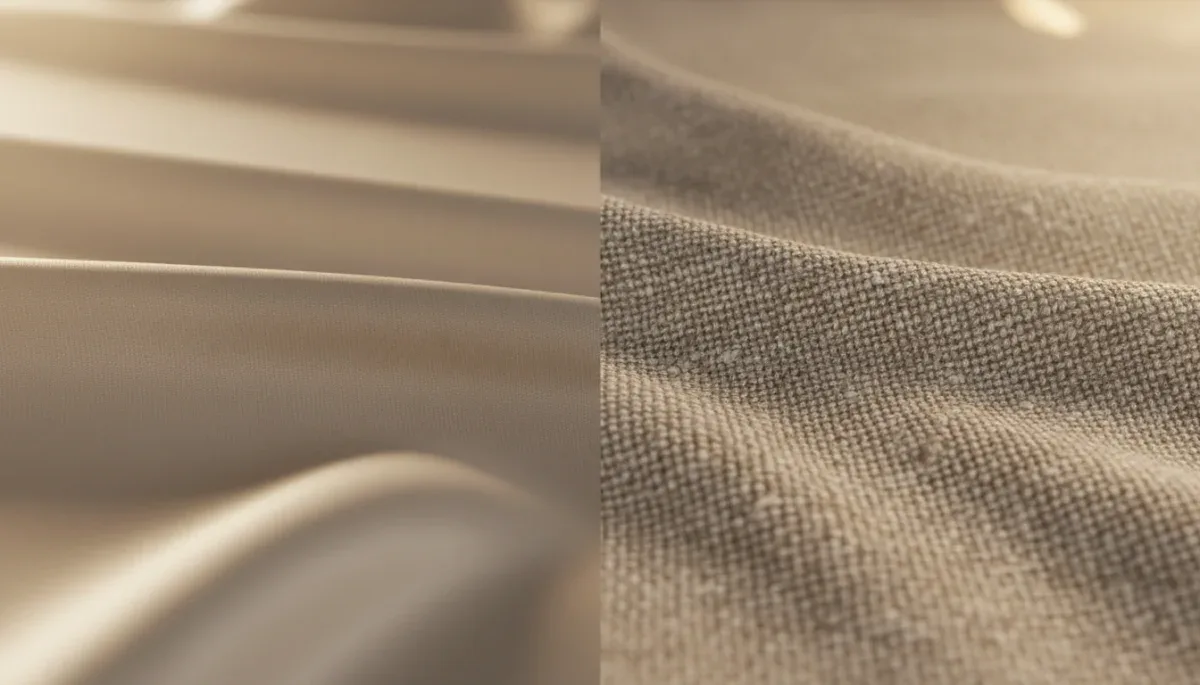
Everyday casual shirts worn in spring and summer must regulate heat and sweat without sticking uncomfortably to your skin. When analyzing rayon versus lyocell, both fibers perform better than petroleum-based polyester because plant cellulose naturally absorbs moisture vapor from the body. However, the physical structure of lyocell allows it to wick perspiration across a broader surface area at a faster rate.
Lyocell features microscopic sub-channels between its individual fibrils that move liquid moisture away from the skin immediately. This natural moisture transfer prevents damp patches from sitting directly against the upper back or underarms during hot afternoons. Rayon absorbs moisture very well, but it holds that moisture inside the fiber core longer, which can make a lightweight shirt feel clingy and limp when you begin to sweat.
Key moisture factors for daily wear
- Vapor absorption: Both textiles absorb more humidity than nylon or polyester, reducing the clammy sensation typical of synthetic blends.
- Surface drying rate: Lyocell releases liquid moisture into the ambient air faster than standard viscose rayon.
- Odor retention: Neither fiber traps odor-causing bacteria as aggressively as polyester, though damp rayon can retain musty scents if left unwashed.
Drape and aesthetic finish on everyday garments
The visual drape of a casual shirt dictates how it frames your shoulders, chest, and hemline throughout the workday or weekend. Standard rayon is famous for its liquid-like movement, making it a favorite for Hawaiian shirts, resort wear, and flowing short-sleeve button-downs. It collapses gently against the body, offering a very relaxed silhouette that requires almost zero body structure from the garment itself.
Lyocell delivers a subtly different aesthetic that fits modern casual workwear and minimalist fashion. While it still offers exceptional fluidity compared to stiff cotton poplin, lyocell has slightly more structural substance. It possesses a soft, peach-skin or matte texture, often described as similar to washed silk, which creates a cleaner roll on short sleeves and a more stable collar stand.
If you prefer a casual shirt that looks intentional and crisp under a light jacket, lyocell keeps its posture better throughout an eight-hour day. If you want an airy, ultra-relaxed fit that catches every breeze without any stiffness, rayon offers an unbeatable casual softness straight from the package.
Durability and laundry care requirements
The practical value of any casual shirt relies on how easily you can maintain it on laundry day without accidental ruin. This is the single biggest operational difference when contrasting rayon versus lyocell. Standard viscose rayon loses roughly half of its structural tensile strength when soaked with water, making the wet fibers fragile, easily warped, and prone to severe thread breakage.
Putting a standard rayon shirt into a washing machine with high-speed spin cycles often leads to irreversible dimensional shrinkage, seam distortion, or micro-tears along stress points. Most clothing care labels on rayon shirts recommend hand washing in cold water or dry cleaning, followed by flat air drying. Even under gentle handling, rayon threads wrinkle heavily after drying, requiring low-heat ironing with pressing cloths to smooth out deep creases.
Lyocell maintains high tensile strength when wet, allowing it to withstand regular machine washing on a delicate cycle with cold water. It resists excessive shrinking when kept away from high-heat drying appliances, although line drying remains the best practice to prevent surface fibrillation. Fibrillation occurs when micro-fibers on the surface of lyocell split slightly from friction, which can produce a frosted or faded appearance over several years if washed with heavy fabrics like denim.
Care practices to protect both textiles
- Water temperature: Use cold water exclusively for both fabrics to avoid thermal shock and permanent fiber contraction.
- Drying methods: Hang or dry flat on a clean surface; never put either shirt into a high-heat commercial clothes dryer.
- Ironing protocol: Turn the shirt inside out and apply moderate steam to remove creases without leaving glossy marks.
Price points and availability on retail platforms
Online clothing platforms targeting budget-conscious consumers feature large selections of both materials, but pricing reflects the cost of fiber synthesis. Standard rayon is inexpensive to manufacture and accounts for a vast percentage of fast-fashion blouse and shirt production. As a result, budget shoppers can find dozens of colorful rayon short-sleeve shirts at accessible price thresholds under twenty-five dollars.
Lyocell, frequently sold under commercial brand names like TENCEL, requires specialized machinery and strict solvent reclamation infrastructure that raises raw production costs. Consequently, casual shirts made from one hundred percent lyocell usually retail at higher price tiers, often between thirty-five and seventy dollars on popular direct-to-consumer websites. Blended shirts that mix lyocell with cotton or linen help bridge this pricing gap while providing balanced wearability.
When assessing long-term value, consider the cost per wear rather than only the initial checkout price. A rayon shirt that shrinks two sizes after its second wash cycle delivers poor overall value compared to a lyocell shirt that lasts several seasons under standard home machine washing. Evaluating garment construction details like reinforced hems and spare buttons can also indicate whether the manufacturer invested in quality stitching to match the fabric.
At a glance
| Factor | What to know |
|---|---|
| Wet strength | Lyocell stays durable when soaked, whereas rayon loses strength and tears easily. |
| Laundry method | Lyocell tolerates gentle machine washing, while rayon often demands hand washing. |
| Garment drape | Rayon provides an airy, liquid drape, while lyocell gives a soft, structured drape. |
| Retail cost | Rayon is budget-friendly upfront, while lyocell costs more due to closed-loop processing. |
Frequently asked questions
Does lyocell shrink as much as rayon in the wash?
No, lyocell experiences much less shrinkage than standard rayon under regular laundry care. While both plant-based fibers can shrink when subjected to warm water or dryer heat, lyocell fibers retain their dimension better during cold-water washing. Rayon contracts significantly if washed in hot water or tumbled dry.
Can you iron rayon and lyocell shirts at home?
Yes, you can iron both fabrics at home using low to medium heat settings. Turn your casual shirt inside out and avoid holding the hot iron plate in one spot for too long. Using a damp pressing cloth or gentle garment steamer prevents the fabric surface from developing an unwanted shiny glaze.
Is lyocell better than rayon for summer sweat?
Yes, lyocell manages heavy perspiration more efficiently than rayon on warm days. Lyocell absorbs moisture immediately and distributes it across a broad surface for faster ambient evaporation. Rayon absorbs sweat well, but it tends to stay saturated longer, creating a heavy, damp sensation against your torso.
Why is lyocell clothing more expensive than rayon?
Lyocell costs more because its manufacturing process uses specialized equipment and expensive non-toxic organic solvents. The facilities operate closed-loop recovery systems to reclaim ninety-nine percent of process chemicals. This refined, environmentally responsible production model requires higher capital investment than conventional viscose rayon plants.
The bottom line
Choosing between rayon versus lyocell shirts depends on how much time you spend on garment maintenance. Rayon provides an affordable, ultra-light drape for casual summer outings, but its delicate wet fibers require slow hand washing and frequent ironing. Lyocell offers a smoother touch, stronger moisture wicking, and dependable machine durability that justifies its higher initial cost. Before placing an order on any online fashion store, check the inner care tag composition to confirm whether the garment is pure fiber or a blend.
Written by
Lucas Bastos
Lucas Bastos writes about clothes and house for flowershein.com. Each article explains how things work, compares published details such as prices, policies and program rules, and points readers to the official source before they decide.