
How to spot fake coupon codes and voucher scams
Advertisement
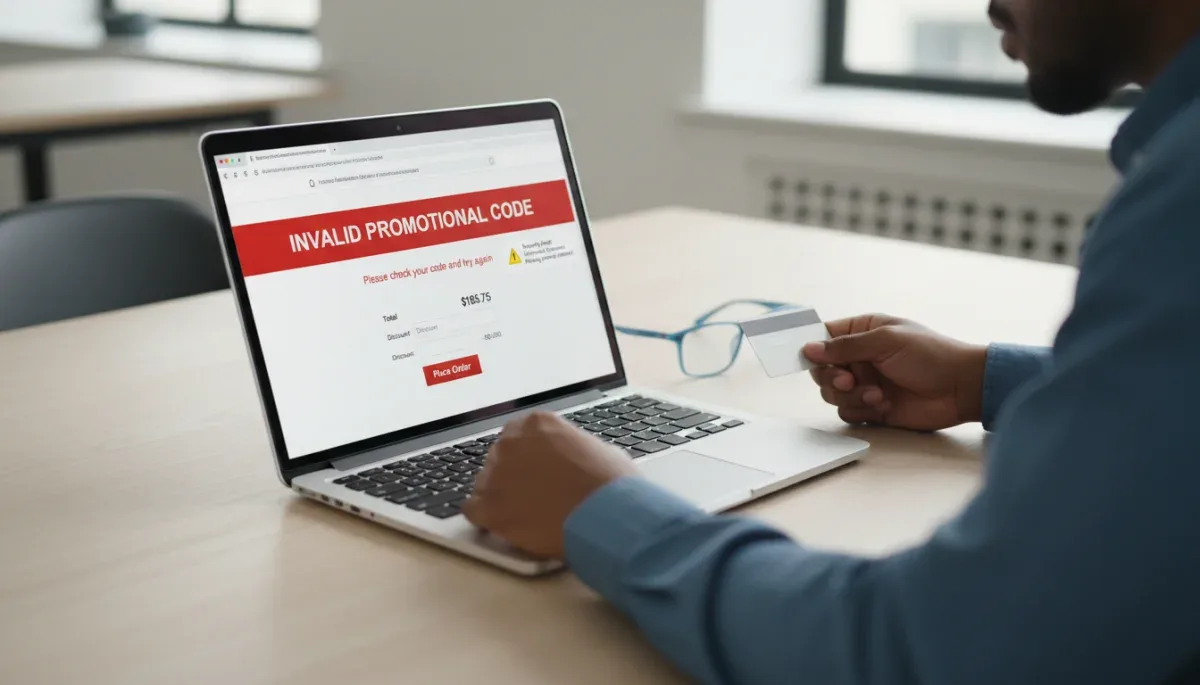
Fake coupon codes are unauthorized or fabricated promotional strings designed to capture consumer data, generate fraudulent ad impressions, or lure shoppers into malicious survey funnels. Learning to spot these unauthorized vouchers protects your personal payment details while preventing checkout delays when buying apparel, home goods, or budget consumer electronics online.
This reference explains the common mechanisms behind fraudulent voucher websites, how rogue operators profit from deceptive promotions, and the exact steps required to confirm legitimate discounts directly through retail channels. While legitimate promotional codes provide genuine percentage markdowns at checkout, unauthorized codes often lead to expired promotions, hidden fees, or data harvesting forms that never deliver the promised discount.
How fake coupon codes circulate across the web
Deceptive discounts do not appear online by accident. They are distributed through automated web networks designed to capitalize on high-volume search queries for popular retail brands. When consumers reach a digital checkout page and encounter an empty promo code box, their instinctive reaction is to open a search engine and look for active markdown vouchers. Unscrupulous webmasters anticipate this behavior by generating thousands of programmatically built coupon landing pages that promise massive discounts on popular budget brands.
Advertisement
These websites frequently employ a tactic known as click-jacking or forced affiliate redirection. When a visitor clicks a button marked as revealing a voucher code, the website opens a new retail tab using an affiliate tracking link while displaying an arbitrary sequence of letters and numbers on the original page. Even if the voucher string fails at the store checkout, the tracking cookie may remain stored in the browser, allowing the unauthorized publisher to collect a marketing commission if the shopper completes the purchase anyway.
In more severe scenarios, fake coupon codes serve as direct lures for credential theft and malware distribution. Fraudulent search advertisements often direct shoppers to cloned storefronts that mimic real budget brands. These mirror websites display steep discounts, such as eighty or ninety percent off entire inventories, solely to collect credit card numbers, billing addresses, and login credentials from consumers who believe they are securing a rare clearance deal.
Common red flags of voucher and promo scams
Recognizing the difference between an authentic retail markdown and an unauthorized voucher requires inspecting the presentation of the offer and the technical behavior of the website hosting it. Legitimate retailers issue promotional codes to achieve specific business targets, such as clearing seasonal inventory or onboarding first-time newsletter subscribers. Unrealistic claims are almost always the primary indicator of an illegitimate discount operation.
Warning signs of promotional voucher schemes
- Vouchers promising unrealistic blanket discounts, such as free shopping sprees or sitewide reductions exceeding seventy percent, without any brand restrictions or minimum spending thresholds.
- Websites requiring users to complete third-party questionnaires, download executable files, or install standalone software before displaying the coupon code.
- Requirements to share promotional links across personal social media profiles or messaging applications before unlocking a claimed gift voucher.
- Promotional pages hosted on unrelated secondary domains or suspicious subdomains that lack clear privacy policies and merchant contact information.
Another prevalent indicator is the absence of promotional terms and conditions. Legitimate vouchers always come with boundaries, including expiration dates, excluded merchandise categories, minimum spend requirements, and geographical limitations. When a promotional portal claims that a single string applies universally to all items without limitations or expiration dates, it is nearly always a generated placeholder meant solely to secure ad clicks or web traffic.
The mechanics of gift card and questionnaire traps

Among the most persistent forms of discount deception are high-value voucher giveaways, frequently branded under major retailers, fast-fashion platforms, and department stores. These campaigns commonly circulate via paid social media advertisements or forwarded messaging chains, advertising hundred-dollar or five-hundred-dollar shopping allowances to anyone willing to complete a brief consumer survey.
The Federal Trade Commission has repeatedly issued consumer guidance regarding these questionnaire funnels, noting that deceptive survey programs use unauthorized corporate branding to trick participants. Once an individual finishes the questionnaire, the platform directs them to complete a series of external offers, which may include signing up for paid trial subscriptions, applying for credit cards, or submitting personal phone numbers to recurring text message programs. The promised shopping voucher never materializes because the entire system exists solely to collect affiliate lead-generation fees from third-party advertising networks.
Beyond wasting time, these survey networks routinely collect sensitive consumer information. Participants are frequently asked to provide their full legal names, physical addresses, dates of birth, and household income estimates. This information is subsequently compiled into commercial lead directories and sold to outbound telemarketers, insurance brokers, and high-volume email distributors, resulting in substantial increases in spam contacts and targeted identity risks.
How browser extensions and scrapers handle discount codes
Automated savings extensions have become a standard fixture of online retail, promising to test thousands of promotional vouchers with a single click. While several major savings tools operate legitimate, platform-vetted services, the proliferation of third-party extensions has introduced security risks that shoppers must navigate carefully.
Automated coupon extensions operate by scraping promotional codes submitted by other users or extracting them from public discount databases. Because these platforms rely largely on crowd-sourced submissions and automated scrapers, their databases are frequently cluttered with expired, single-use, or outright fabricated promo strings. This reliance on unverified data is why automated tools often test dozens of invalid codes sequentially before finding a functional discount, or fail entirely to apply a valid deduction.
More critically, rogue browser plugins posing as shopping assistants have been found to engage in aggressive data tracking and code injection. A malicious or poorly audited extension can read active browser tabs, intercept keystrokes, track purchasing behavior across unrelated domains, and replace legitimate affiliate parameters with unauthorized tracking cookies. Before installing any browser extension to automate discount checks, consumers should review the permissions requested by the tool, confirm the developer identity in the official extension marketplace, and avoid extensions that demand broad access to private browsing data.
Safe methods for finding genuine retailer discounts
Locating verified savings does not require navigating questionable coupon aggregator portals. Shoppers can routinely access reliable markdowns by using the direct channels that retailers establish to reward customer retention and clear seasonal stock.
Direct channels for authenticated promotions
- Brand newsletter registrations, which routinely grant single-use welcome codes directly to the verified email inbox of new shoppers.
- Official mobile applications, where retailers frequently publish exclusive app-only discounts and early access notifications for seasonal sales.
- Direct customer support channels, where customer service representatives can confirm active promotional campaigns or provide verified replacement codes when checkout glitches occur.
- Verified social media accounts, where brands post temporary flash sale codes and announce public seasonal promotional events directly to their followers.
Direct communication channels provide the highest rate of code success because the promotional codes originate straight from the merchant inventory system. Furthermore, many budget-focused retailers maintain dedicated clearance and promotional hubs directly on their primary websites. These official promotional pages clearly outline active tier-based discounts, bundled savings options, and minimum purchase thresholds, removing the guesswork and security vulnerabilities associated with unvetted search results.
What to do if you interact with a voucher scam
If you suspect you have entered payment details or downloaded unauthorized software through a deceptive voucher website, rapid action is necessary to minimize exposure. The primary risk from voucher schemes is financial fraud and identity theft, which requires immediate containment through your financial institution and local device security controls.
When debit or credit card details have been submitted on an unverified site, immediately contact the issuing card provider to report unauthorized transaction exposure. Most financial institutions can cancel the compromised card number and issue a replacement while reviewing recent charges for potential dispute resolution. If you entered a personal password on a questionable portal, update that password immediately across all services where that credential combination was used, ensuring that multi-factor authentication is enabled across all primary accounts.
If you were prompted to download an executable file, application, or browser add-on to claim a discount, disconnect the device from your local network and perform a comprehensive scan using reputable, updated antivirus software. Remove any newly installed browser extensions that lack verifiable provenance, and clear your browser cache and stored cookies to remove any residual affiliate tracking scripts or redirect tokens embedded during the browsing session.
At a glance
| Factor | What to know |
|---|---|
| Discount claim | Unrealistic reductions exceeding seventy percent almost always indicate unauthorized click-bait or harvesting schemes. |
| Source location | Authentic promotional codes originate from official brand newsletters, verified apps, and direct merchant portals. |
| Access requirements | Real vouchers never require software downloads, personal questionnaires, or public social media sharing. |
| Affiliate redirects | Aggregator buttons that force multiple tabs often serve solely to set affiliate cookies without providing valid codes. |
Frequently asked questions
Why do so many coupon codes found online fail to work?
Most failed coupon codes are single-use codes, expired promotions, or computer-generated strings published by aggregators to capture search traffic. Retailers routinely deactivate old promotional campaigns, but third-party websites leave dead codes active indefinitely to keep attracting search engine visits and affiliate commission clicks.
Can typing a fake coupon code into checkout harm my computer?
Entering a plain text code directly into an authentic retailer checkout box will not compromise your computer. The security hazard occurs on the external coupon website itself, where deceptive links can redirect to phishing forms, install unwanted browser extensions, or download malicious files onto your operating system.
Are automated browser coupon tools safe to use?
Reputable browser tools published by established technology companies are generally safe, provided they are downloaded from verified browser web stores. However, consumers should carefully review requested permissions and avoid lesser-known extensions that demand excessive access to your personal browsing history, input fields, or private data.
How can I report a fraudulent discount voucher website?
You can report deceptive coupon operations directly to the Federal Trade Commission through their official reporting portal at reportfraud.ftc.gov. You can also file a scam report with the Better Business Bureau Scam Tracker and report fraudulent search advertisements directly to the search engine displaying the result.
The bottom line
Finding legitimate retail savings requires bypassing low-quality discount aggregator portals in favor of direct merchant communication channels, authenticated mobile apps, and official loyalty perks. Scrutinize any promotional offer that demands personal data submissions, executable downloads, or mandatory link sharing before revealing an offer. Before applying an unfamiliar voucher code at checkout, confirm the current promotional terms and minimum spending rules directly on the retailer official customer service page.
Written by
Maria Eduarda
Maria Eduarda writes about clothes, discounts and electronics for flowershein.com. Each article explains how things work, compares published details such as prices, policies and program rules, and points readers to the official source before they decide.