From Concept to Closet: 7-Step Apparel Production Cycle 2026
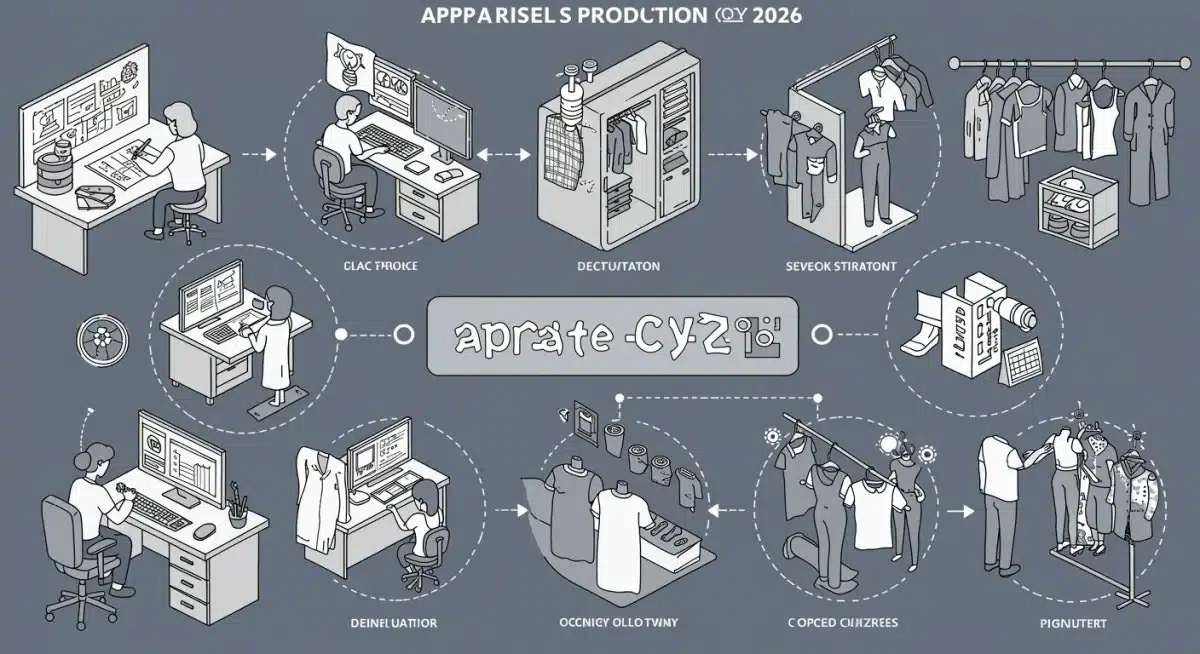
The Apparel Production Cycle 2026 is undergoing significant evolution, driven by technological advancements and consumer demands for sustainability. This report provides a detailed breakdown of the seven critical steps involved in bringing fashion from concept to closet, emphasizing efficiency and ethical practices.
Understanding this complex journey is crucial for both industry insiders and conscious consumers. We delve into each phase, offering factual and up-to-date information on the processes shaping next year’s fashion landscape.
This analysis focuses on what’s new, what’s changing, and what to anticipate in the dynamic world of apparel manufacturing. It offers a clear, objective perspective on the future of fashion production in the United States.
The journey From Concept to Closet: Understanding the 7-Step Production Cycle of Your Favorite 2026 Apparel is a complex, multi-faceted process that defines the modern fashion industry. As we approach 2026, shifts in technology, consumer expectations, and global supply chains are reshaping how garments are designed, manufactured, and delivered.
This comprehensive guide delves into each critical stage, providing an in-depth look at the intricate steps involved. From the initial spark of an idea to the final product reaching your wardrobe, we uncover the essential elements of the Apparel Production Cycle 2026, offering clarity and context.
Understanding this cycle is not merely academic; it offers vital insights into the quality, ethics, and sustainability behind the clothes we wear. This exploration ensures readers are well-informed about the evolving landscape of fashion production.
The Genesis of Style: Concept and Design Development
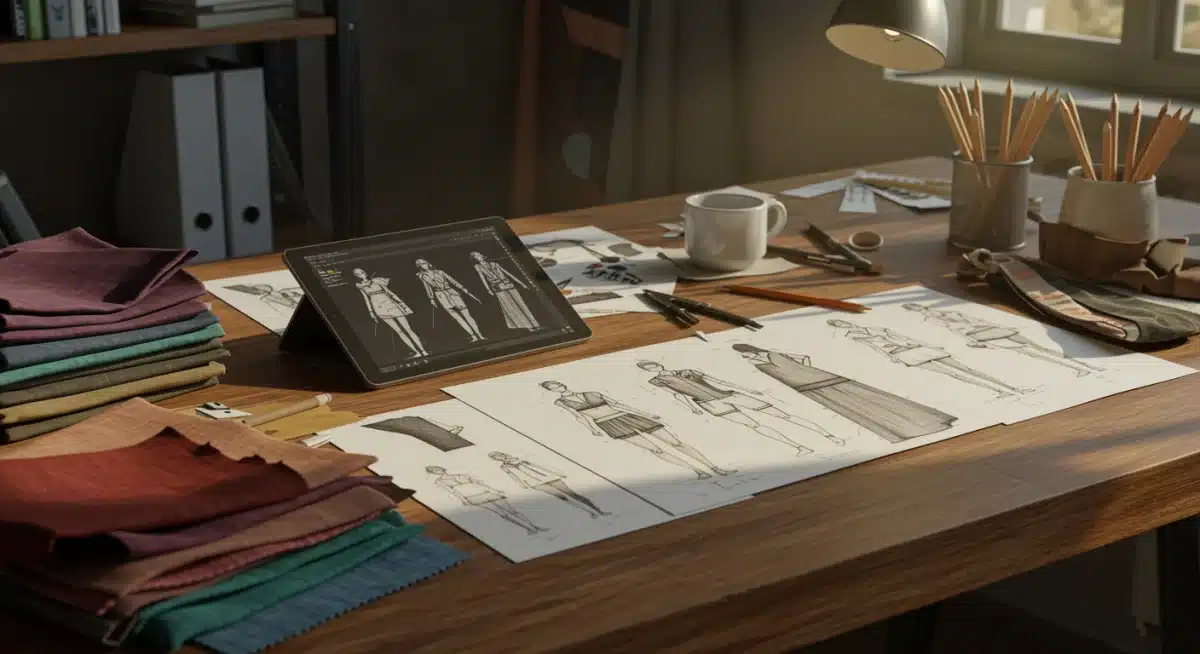
The first step in the Apparel Production Cycle 2026 begins with concept and design development, where creative visions are translated into tangible ideas. This phase involves extensive research into market trends, consumer preferences, and emerging textile innovations.
Designers and creative teams collaborate to define themes, color palettes, and silhouettes that will resonate with the target audience. The goal is to create designs that are not only aesthetically appealing but also commercially viable and aligned with the brand’s identity.
Technological tools, such as 3D visualization software and digital sketching platforms, are increasingly vital during this stage. These tools allow for rapid prototyping and iteration, significantly reducing the time and resources traditionally associated with initial design.
Trend Forecasting and Market Research
Accurate trend forecasting is paramount, guiding designers in anticipating future consumer desires. This involves analyzing global fashion shows, social media trends, and economic indicators to predict popular styles and materials.
Market research provides crucial data on demographic shifts and purchasing power, ensuring designs meet specific market needs. This data-driven approach minimizes risk and maximizes the potential for successful collections within the Apparel Production Cycle 2026.
Sketching and Digital Prototyping
- Initial sketches capture the fundamental aesthetic and structural elements of the garment.
- Digital tools like CAD (Computer-Aided Design) software allow for detailed virtual prototypes, including fabric drape and fit simulations.
- Virtual prototypes facilitate quicker feedback loops and reduce the need for multiple physical samples, enhancing efficiency.
Sourcing Raw Materials: The Foundation of Quality Apparel
Once designs are finalized, the next crucial step in the Apparel Production Cycle 2026 is the meticulous sourcing of raw materials. This stage involves selecting fabrics, trims, and embellishments that meet design specifications, quality standards, and increasingly, sustainability criteria.
Supply chain transparency and ethical sourcing are becoming non-negotiable, with brands prioritizing suppliers who adhere to fair labor practices and environmentally responsible manufacturing processes. The origin and composition of materials are thoroughly vetted to ensure compliance.
The choice of materials directly impacts the final product’s quality, comfort, and environmental footprint. This phase is critical for establishing the integrity of the entire apparel line.
Sustainable Material Selection
The demand for sustainable materials continues to grow, influencing sourcing decisions significantly. Organic cotton, recycled polyester, Tencel, and innovative bio-based fabrics are increasingly preferred.
Brands are also exploring regenerative agriculture practices and circular economy models to minimize waste and resource depletion throughout the Apparel Production Cycle 2026.
Supplier Audits and Certification
- Suppliers undergo rigorous audits to ensure compliance with social and environmental standards.
- Certifications like GOTS (Global Organic Textile Standard) and OEKO-TEX provide assurance of material safety and ecological responsibility.
- Long-term partnerships with trusted suppliers are key to maintaining consistent quality and ethical practices.
Pattern Making and Sample Development: Bridging Design and Production
The third step in the Apparel Production Cycle 2026 transforms approved designs into detailed patterns and initial samples. Pattern makers meticulously translate two-dimensional sketches into precise garment components, ensuring proper fit and construction.
This phase involves creating a master pattern, which serves as the blueprint for all subsequent production. Samples are then produced to test the design’s wearability, aesthetic appeal, and manufacturing feasibility.
Multiple rounds of sampling and fitting are often required to perfect the garment before mass production can commence. This iterative process ensures the final product meets the designer’s vision and consumer expectations.
Digital Pattern Creation
Advanced CAD systems are now standard for pattern making, allowing for greater accuracy and efficiency. Digital patterns can be easily adjusted for different sizes and styles, streamlining the grading process.
This technology also facilitates seamless integration with automated cutting machines, further optimizing the Apparel Production Cycle 2026 and reducing material waste.
Fitting and Feedback Loop
- Initial samples are fitted on models to assess drape, comfort, and overall appearance.
- Feedback from design, production, and merchandising teams leads to necessary pattern adjustments.
- The goal is to achieve a perfect fit and desired aesthetic before proceeding to bulk manufacturing.
Manufacturing and Production: Bringing Garments to Life
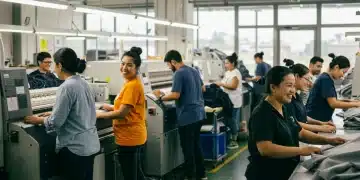
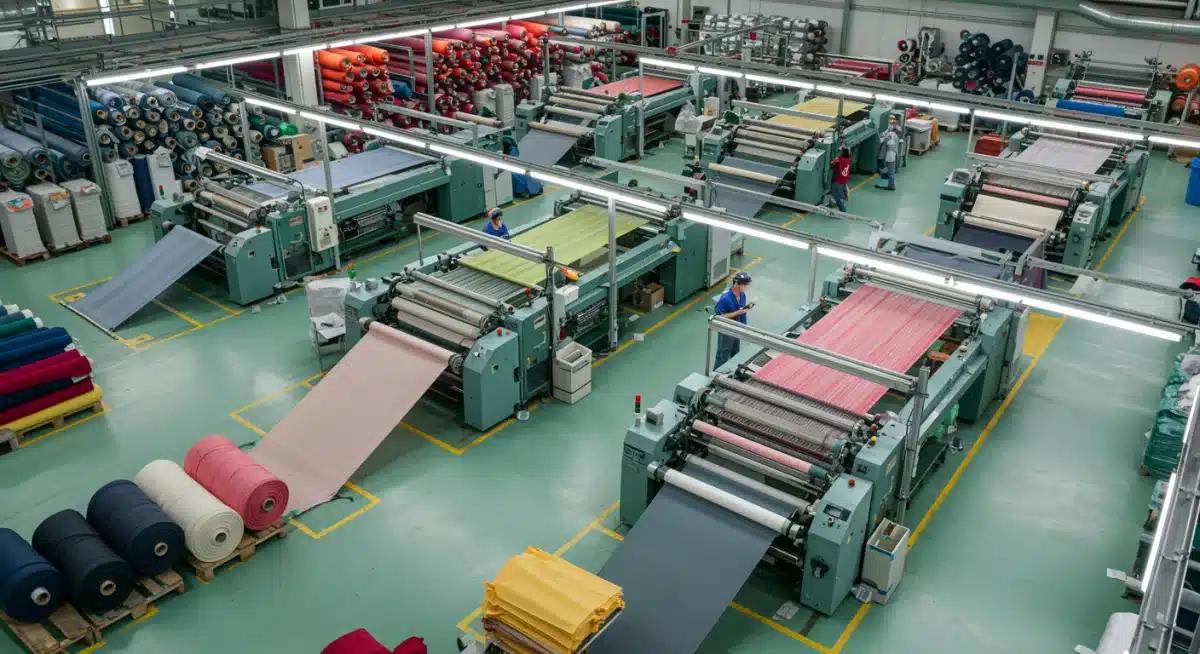
The manufacturing stage is where the garment truly comes to life, a pivotal step in the Apparel Production Cycle 2026. This involves mass production based on the approved patterns and samples, utilizing a combination of human labor and automated machinery.
Factories are selected based on their capacity, quality control measures, and adherence to ethical labor standards. Production planning ensures efficient workflow, minimizing bottlenecks and maximizing output.
Modern manufacturing facilities increasingly incorporate smart technologies, such as IoT-enabled machines and data analytics, to monitor production in real-time and optimize processes.
Cutting and Sewing Operations
Fabric is precisely cut using automated cutting machines, which maximize material utilization and minimize waste. Skilled workers then assemble the garment components using specialized sewing machines.
Each step of the sewing process is carefully monitored for quality, ensuring consistent stitching and construction. This meticulous attention to detail is crucial for the overall quality of the Apparel Production Cycle 2026.
Quality Control and Assurance
- In-line inspections are conducted throughout the manufacturing process to catch defects early.
- Final quality checks ensure garments meet all specifications before packaging.
- Third-party audits provide an additional layer of assurance regarding product quality and compliance.
Finishing and Embellishment: The Final Touches
After manufacturing, garments enter the finishing and embellishment stage, which adds crucial details and enhances their aesthetic appeal. This step in the Apparel Production Cycle 2026 includes processes like washing, dyeing, printing, embroidery, and the attachment of labels and tags.
Finishing treatments can alter the fabric’s texture, color, and hand-feel, contributing significantly to the garment’s final look and comfort. Embellishments add unique design elements, setting products apart in the market.
Attention to detail in this phase is critical, as it directly impacts the garment’s perceived value and consumer satisfaction. Quality control remains paramount to ensure all finishing processes meet exact standards.
Washing and Dyeing Techniques
Garments may undergo various washing techniques to achieve desired effects, such as softening, distressing, or specific finishes. Dyeing processes ensure consistent and vibrant color application, often using eco-friendly dyes.
These techniques are carefully controlled to prevent shrinkage, color fading, or damage to the fabric, ensuring the longevity and appeal of the apparel produced in the Apparel Production Cycle 2026.
Printing, Embroidery, and Labeling
- Screen printing, digital printing, and heat transfers add graphic designs and patterns.
- Embroidery provides texture and a premium feel to specific design elements.
- Labels, tags, and packaging details are applied, providing essential brand information and care instructions.
Quality Assurance and Packaging: Preparing for Distribution
The penultimate step in the Apparel Production Cycle 2026 involves a comprehensive quality assurance process and careful packaging. This stage ensures that every garment leaving the factory meets the highest standards and is ready for distribution.
Quality assurance goes beyond defect detection; it encompasses a holistic review of the product against all design specifications, ethical guidelines, and safety regulations. This rigorous screening protects both the brand’s reputation and consumer well-being.
Effective packaging not only protects the garment during transit but also serves as a crucial marketing tool, enhancing the unboxing experience for the customer. Sustainable packaging solutions are increasingly being adopted.
Final Inspection and Defect Management
Each garment undergoes a thorough final inspection, checking for any remaining defects in fabric, stitching, finishing, or embellishments. Any identified issues are either rectified or the garment is rejected.
This meticulous process helps maintain brand integrity and prevents faulty products from reaching consumers, a vital component of the Apparel Production Cycle 2026.
Sustainable Packaging Solutions
- Brands are shifting towards recyclable, biodegradable, or compostable packaging materials.
- Minimizing excess packaging and utilizing innovative designs reduce environmental impact.
- Packaging also includes necessary compliance labels and product information for consumers.
Logistics and Distribution: From Factory to Consumer
The final step in the Apparel Production Cycle 2026 is logistics and distribution, the complex process of moving finished garments from manufacturing facilities to retail stores or directly to consumers. This phase requires efficient supply chain management and strategic planning.
Modern distribution networks leverage advanced tracking systems, optimized warehousing, and diverse transportation methods to ensure timely and cost-effective delivery. The rise of e-commerce has significantly influenced distribution strategies, emphasizing direct-to-consumer models.
Sustainability in logistics is also a growing focus, with efforts to reduce carbon emissions through optimized routes, electric vehicles, and localized distribution centers. This ensures the Apparel Production Cycle 2026 concludes responsibly.
Global Supply Chain Optimization
Brands utilize sophisticated logistics software to manage inventory, track shipments, and optimize routes across global supply chains. This minimizes transit times and reduces operational costs.
Strategic partnerships with reliable logistics providers are essential for navigating complex international shipping regulations and customs procedures, ensuring smooth delivery.
E-commerce Fulfillment and Last-Mile Delivery
- Dedicated fulfillment centers manage online orders, including picking, packing, and shipping.
- Last-mile delivery services focus on efficient and timely delivery to the customer’s doorstep.
- Reverse logistics for returns and exchanges are also critical components of a comprehensive distribution strategy.
| Key Stage | Description |
|---|---|
| Concept & Design | Initial idea generation, trend research, and digital sketching. |
| Material Sourcing | Selection of fabrics and trims, with focus on sustainability and ethics. |
| Pattern & Sample | Creation of patterns and prototypes for fit and construction. |
| Manufacturing | Mass production, including cutting, sewing, and initial quality checks. |
Frequently Asked Questions About the Apparel Production Cycle 2026
Key trends include increased automation, a stronger emphasis on sustainable materials and ethical labor, and the integration of digital tools for design and supply chain management. Consumer demand for transparency also drives significant changes in the Apparel Production Cycle 2026.
Sustainability is integrated from material sourcing, with preferences for organic and recycled fabrics, to eco-friendly manufacturing practices, reduced waste, and sustainable packaging and logistics. Brands are actively seeking to minimize their environmental footprint across the Apparel Production Cycle 2026.
Technology is crucial, from 3D design software for rapid prototyping and pattern making, to automated cutting machines, and IoT devices for real-time production monitoring. It enhances efficiency, accuracy, and reduces waste throughout the Apparel Production Cycle 2026.
Supply chain transparency is vital for ensuring ethical labor practices, verifying sustainable sourcing, and building consumer trust. It allows brands to track materials from origin to final product, addressing concerns about social and environmental impact within the Apparel Production Cycle 2026.
Challenges include navigating complex global supply chains, adapting to rapidly changing consumer demands, managing increased costs for sustainable practices, and ensuring compliance with evolving regulations. Geopolitical factors and economic volatility also pose significant hurdles for the Apparel Production Cycle 2026.
Looking Ahead: Evolution of Apparel Production
The journey From Concept to Closet: Understanding the 7-Step Production Cycle of Your Favorite 2026 Apparel is a dynamic landscape, continuously evolving with technological innovation and shifting consumer values. The industry is moving towards greater integration, where each step is interconnected and optimized for efficiency and responsibility.
What happens next will largely depend on continued advancements in sustainable materials, automation, and data analytics. Brands that successfully adapt to these changes, prioritizing transparency and ethical practices, will define the future of fashion.
Consumers, too, play a critical role by demanding more sustainable and ethically produced clothing. This collective effort will further shape the Apparel Production Cycle 2026, ensuring a more conscious and efficient industry for years to come.