
Polyester versus cotton blend fabrics for casual wear
Advertisement
Cotton blend fabrics generally offer superior breathability and a softer surface feel for everyday wear, whereas polyester provides greater dimensional stability, faster drying times, and stronger resistance to wrinkling. Selecting the proper option depends on whether your daily routine prioritizes natural airflow against the skin or easy laundry maintenance that survives repeated machine wash cycles without losing shape.
This comparison helps shoppers choosing casual t-shirts, loungewear, and lightweight pullovers from online value retailers evaluate garment tags before buying, though individual textile performance varies based on yarn thickness, weave construction, and finishing treatments. Examining how synthetic fibers interact with natural plant fibers clarifies why certain basic garments pill quickly while others remain smooth across months of regular use.
How pure polyester performs in casual garments
Polyester is a synthetic fiber derived from petroleum-based polymers, specifically polyethylene terephthalate, which is extruded into fine filaments and spun into yarn. In casual apparel, manufacturers frequently select pure polyester because the extruded fibers possess exceptionally high tensile strength, meaning they resist breaking under mechanical stress during wear and washing. This durability prevents everyday garments like casual athletic tops, lightweight windbreakers, and unlined casual pants from tearing easily or developing thin patches at friction points such as elbows and inner thighs.
Advertisement
Another defining characteristic of pure polyester is low moisture absorption. The fiber is inherently hydrophobic, absorbing less than one percent of its weight in water under standard ambient conditions. In casual clothing, this property means liquid spills run off rather than soaking immediately into the core of the yarn, and washed items emerge from the spin cycle almost dry. Garments made from pure polyester resist wrinkling because the synthetic polymers maintain their heat-set structure, allowing you to wear them straight from a drawer or travel bag without pressing.
However, pure polyester has notable limitations in everyday casual settings. Because the smooth synthetic filaments do not absorb moisture, perspiration remains trapped between your skin and the inner surface of the textile unless the fabric is engineered with specialized moisture-wicking capillary channels. In warmer weather or heated indoor spaces, solid-weave polyester garments can feel clingy, warm, and slick. Additionally, synthetic fibers generate static electricity in dry environments, causing tops to stick awkwardly to the torso and attract airborne lint.
The construction and behavior of cotton blends
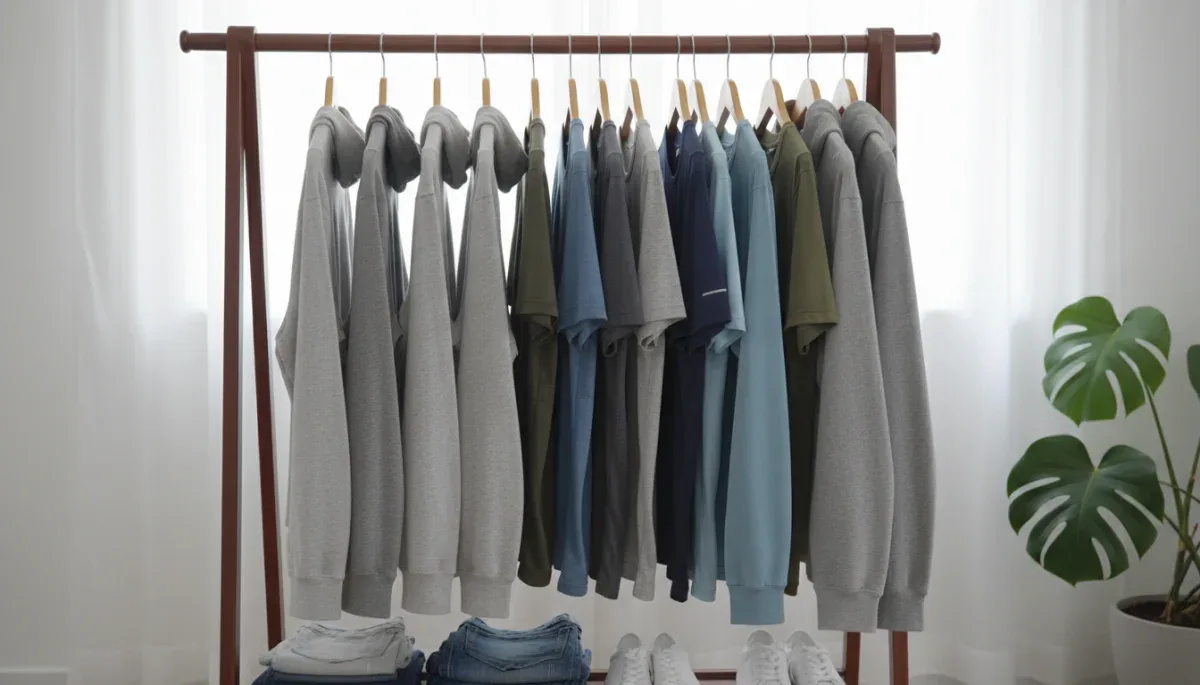
A cotton blend fabric combines natural cotton staple fibers with one or more synthetic fibers, most commonly polyester, during the yarn spinning stage. The goal of blending is to offset the natural weaknesses of cotton with the physical strengths of polyester. Pure cotton offers remarkable softness and skin comfort, but it wrinkles easily, shrinks in hot water, and gradually loses structural shape after repeated laundering. Adding polyester stabilizes the yarn structure, creating a textile that balances natural texture with artificial resilience.
The standard composition found in everyday casual clothing is a blend of sixty percent cotton and forty percent polyester, or an even split of fifty percent each. In these combinations, the cotton component provides cellulose fibers that absorb ambient moisture and perspiration, preventing the garment from feeling clammy against the body. Meanwhile, the polyester filaments form an internal lattice that prevents the cotton fibers from collapsing, distorting, or curling along hems and collars.
Cotton blends also create visual depth in casual fabrics. Because cotton and polyester react differently to dye formulations, fabric mills often dye the two fibers in contrasting shades or dye only the cotton, producing the classic heather gray and speckled color effects common in everyday hoodies and crewneck sweatshirts. The resulting fabric retains a matte, natural visual surface that looks substantially less synthetic than pure polyester knits while preserving practical wash-and-wear utility.
Common casual items using cotton blends
- Everyday crewneck t-shirts that resist collar baconing and maintain a straight hemline after laundering.
- Fleece-backed casual hoodies designed to retain interior softness without excessive post-wash shrinkage.
- Casual drawstring joggers that resist bagging at the knees during extended periods of sitting.
- Budget-friendly polo shirts that hold a crisp collar fold without requiring starch or thorough ironing.
Breathability and thermal regulation in daily wear
Breathability refers to a fabric's ability to allow air and moisture vapor to pass freely through its structure, which directly impacts comfort throughout an ordinary day. Pure polyester fabrics, unless knit into loose open meshes or produced with micro-perforations, create a physical barrier against airflow. The individual plastic-based fibers do not breathe internally; any air movement depends entirely on the spaces between the knitted yarns. When you sit in a heated room or walk briskly outdoors, body heat becomes trapped within the garment, creating a localized greenhouse effect.
In contrast, cotton blend fabrics incorporate natural cotton fibers that feature hollow central lumens and porous cellular walls. These microscopic cavities absorb sensible perspiration from the skin and release it into the atmosphere through evaporative cooling. When cotton fibers absorb this vapor, the wearer feels noticeably cooler and drier during casual day-to-day activities. Even a blend containing as little as thirty-five percent cotton offers substantially better ambient airflow than standard budget polyester jersey.
Thermal comfort also depends on how the textile feels when skin temperature fluctuates. Polyester fibers adjust slowly to rapid ambient temperature changes and can feel uncomfortably cool when first put on in a cold bedroom, followed by overheating once you begin moving. Cotton blends maintain a consistent surface temperature that feels neutral and familiar upon contact. For sedentary casual use, such as working from a desk or lounging at home, a cotton blend provides superior all-day thermal equilibrium compared to synthetic garments.
Washing routines, shrinkage risks, and long-term durability
Laundry care is one of the clearest dividing lines when assessing polyester versus cotton blend garments. Pure polyester is virtually immune to thermal shrinkage in domestic washing machines. You can wash polyester casual wear in warm or cold cycles, and the synthetic fibers will not contract because their molecular chains were stabilized during thermal manufacturing. This stability makes pure polyester exceptionally reliable for people who rely on commercial laundromats or high-temperature communal laundry facilities where gentle cycles are unavailable.
Cotton blends, on the other hand, require more moderate laundering habits to preserve their original sizing. The cotton component in a blend remains susceptible to mechanical and thermal shrinkage when exposed to excessive heat in a tumble dryer. While the polyester content reduces total shrinkage compared to one hundred percent cotton garments, an uncontrolled high-heat drying cycle can still cause a cotton-poly blend shirt to lose half an inch to an inch in body length. Washing cotton blends in cold water and drying on low heat preserves garment dimensions effectively.
When considering surface durability, the two fabrics present different types of wear patterns. Pure polyester garments resist fading and maintain their original color vibrancy over dozens of wash cycles because synthetic dyes bond deeply with the polymer matrix. However, low-grade filament polyester can snag on rough surfaces such as coarse bags or jewelry. Cotton blends resist snagging, but they are vulnerable to pilling. Pilling occurs when broken cotton fibers tangle with strong polyester filaments on the fabric surface, forming small, stubborn fiber balls that do not easily pull away naturally.
Practical laundry practices for everyday fabrics
- Wash dark colors in cold water to prevent the cotton fibers in blends from losing surface dye over time.
- Turn shirts inside out before laundering to minimize mechanical abrasion that causes surface pilling.
- Avoid high-heat dryer settings, as extreme heat weakens synthetic fibers and shrinks natural cotton components.
- Skip liquid fabric softeners on synthetic knits, as silicones coat polyester fibers and lock in lingering body oils.
Odor retention and hygiene factors
A major distinction between synthetic and blended textiles lies in how they interact with skin secretions and environmental scents. Polyester fibers are oleophilic, meaning they have a natural chemical affinity for oils, lipids, and sebum produced by human sebaceous glands. When you wear a pure polyester garment casually, body oils transfer onto the synthetic fibers and bond tightly to the plastic surface. Over time, these trapped lipids provide an ideal environment for common skin bacteria to break down organic matter into volatile fatty acids.
Because domestic detergents are formulated primarily to lift water-soluble soils rather than deeply bonded synthetic oils, laundering pure polyester at low temperatures can leave residual bacteria and odors embedded in the yarn. This phenomenon, often referred to as persistent odor or permastink, causes clean-smelling polyester casual wear to develop an unpleasant stale scent shortly after body warmth activates the trapped residues during wear.
Cotton blend fabrics significantly reduce this problem due to the hydrophilic nature of cotton cellulose. Cotton absorbs water-soluble sweat components like salts and urea, which rinse away cleanly in standard laundry cycles with regular detergents. While the polyester portion of a blend can still trap minor amounts of oil, the presence of cotton allows soap and water to penetrate more thoroughly between the yarn bundles during the agitation cycle. For daily casual clothing worn close to underarms and torsos, cotton blends consistently maintain freshness across full-day wear far better than pure synthetic alternatives.
Determining the ideal fabric ratio for your lifestyle
Selecting between pure polyester and various cotton blends requires evaluating where and how you intend to wear the garment. If your casual wardrobe consists primarily of loungewear, everyday errands, and relaxed social settings, a high-cotton blend containing sixty to eighty percent cotton paired with twenty to forty percent polyester offers the most comfortable balance. This ratio delivers the soft, breathable hand of traditional cotton while granting enough structural reinforcement to minimize ironing and stop seam twisting.
For individuals who travel frequently or pack casual clothing into compact luggage, a fifty-fifty blend or a pure polyester casual knit provides undeniable practical advantages. These garments resist crushing in a suitcase, can be washed in a hotel sink, dry completely on a hanger overnight, and resist wrinkling without steam access. If choosing pure polyester for casual tops, look for knits with a textured or slubbed yarn finish rather than slick athletic jerseys, as textured surfaces improve airflow and look more appropriate for non-sporting settings.
Shoppers on a strict budget should pay close attention to garment weight alongside fiber content. A lightweight pure polyester shirt often feels flimsy and sticks to the body in humid air, whereas a slightly heavier mid-weight polyester knit can drape attractively and resist snagging. For cotton blends, check whether the fabric uses combed ringspun cotton, which produces smoother, longer-lasting yarns that delay pilling when blended with polyester filaments.
At a glance
| Fabric option | Primary practical benefit |
|---|---|
| Pure polyester | Resists wrinkles completely and dries rapidly after machine or hand washing. |
| 60/40 cotton-poly blend | Combines natural cotton breathability with synthetic shape retention for minimal shrinking. |
| 50/50 cotton-poly blend | Offers maximum durability against seam distortion while remaining easy to iron. |
| High-cotton blend (80/20) | Provides traditional soft texture against sensitive skin with reduced pilling risk. |
Frequently asked questions
Does a cotton blend shrink as much as pure cotton?
No, a cotton blend shrinks significantly less than pure cotton because the incorporated polyester fibers do not contract in hot water. While high dryer temperatures can cause slight tightening of the cotton component, the garment will generally retain its length and width far better than an unblended cotton item.
Why does my polyester casual shirt smell bad after washing?
Polyester fibers naturally attract and hold body oils that domestic detergents struggle to wash out in cold water. These trapped lipids shelter odor-causing bacteria that reactivate when exposed to body heat. Washing with an oxygen-based additive or specialized sports detergent helps release these embedded skin oils effectively.
Which fabric pills more, polyester or cotton blend?
Cotton blends typically show more visible surface pilling than pure filament polyester. Pilling occurs when weak cotton fibers break from friction and become tangled around the stronger polyester threads on the garment surface, creating stubborn fiber balls that remain attached until physically shaved or trimmed away.
Can I iron polyester and cotton blends using the same heat setting?
No, you should never iron pure polyester on a high heat setting because synthetic fibers will melt or scorch easily under direct high heat. Cotton blends tolerate medium heat safely, but pure polyester requires the lowest iron setting, preferably with a pressing cloth placed between the iron and garment.
The bottom line
Choosing between polyester and cotton blend fabrics depends on whether you value natural skin comfort or effortless laundry durability. For everyday loungewear and warm-weather casual tops, a cotton-rich blend provides breathable moisture absorption that keeps you fresh throughout the day. Pure polyester remains the superior choice for travel garments and rugged outer layers where wrinkle resistance and quick drying outweigh skin breathability. Always check the inner care tag for exact fiber percentages and cleaning instructions before finalizing your purchase.
Written by
Maria Eduarda
Maria Eduarda writes about clothes, discounts and electronics for flowershein.com. Each article explains how things work, compares published details such as prices, policies and program rules, and points readers to the official source before they decide.