
How price history trackers work during sales
Advertisement
Price history trackers record retail prices over time, allowing shoppers to verify whether an advertised discount represents genuine savings or an artificial markup. This information helps budget-conscious consumers navigate seasonal promotions, though tracking tools cannot account for personalized app pricing, member-only loyalty discounts, or bundle promotions.
During major promotional cycles such as Black Friday, Cyber Week, and end-of-year clearance events, retailers display striking percentage-off badges designed to create urgency. Understanding how price tracking software gathers data and recognizing common retail pricing maneuvers enables shoppers to make informed purchasing decisions without relying on retailer marketing claims.
How automated tools record retail price points
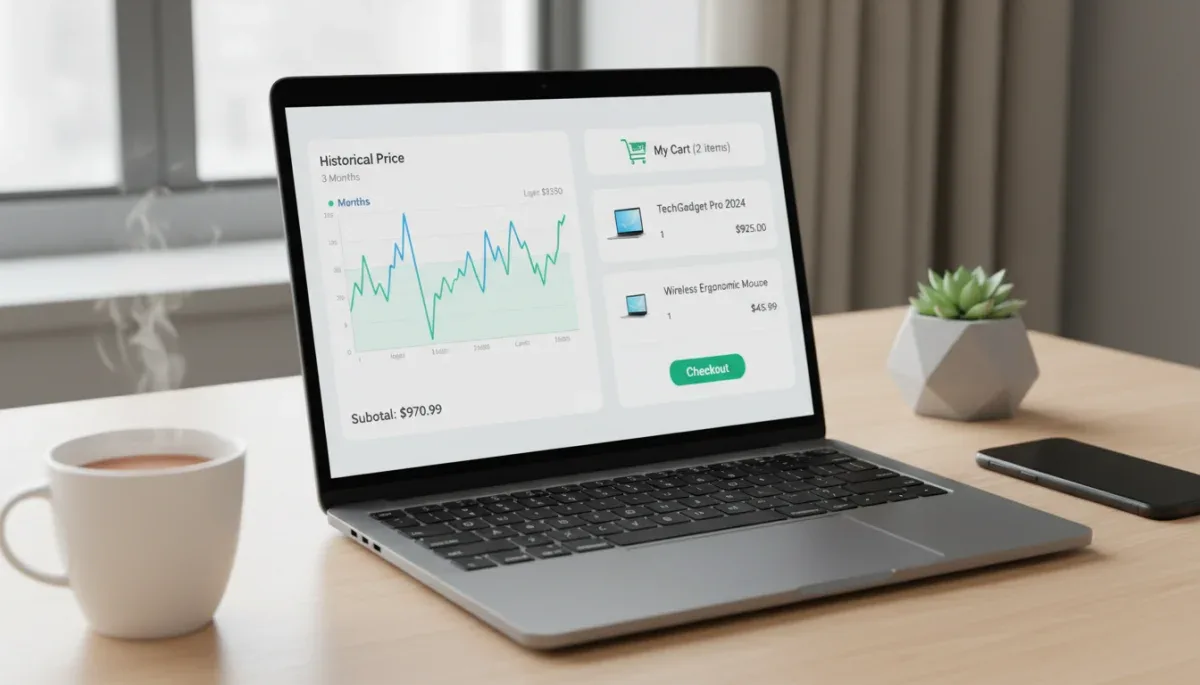
Price tracking services operate using automated software programs known as web scrapers. These tools routinely visit product pages across major online marketplaces, extract the visible cash price, and store that data point alongside a timestamp in a central database. When a shopper views a product through a tracker extension or website, the platform renders these recorded numbers as a continuous line graph showing historical highs, lows, and baseline averages over weeks or months.
Advertisement
Tracking platforms pull data directly from public storefronts at scheduled intervals rather than continuously streaming live information. As a result, sudden price changes, rapid clearance liquidations, or flash sales lasting only a few minutes might not appear on a tracker chart if the scraper did not crawl the page during that brief window. Most popular tools focus their automated visits on high-traffic listings, meaning less popular items might receive updates only once every few days.
Core functions of tracking software
- Scheduled crawling of public product URLs to log base retail prices.
- Generation of visual timeline graphs displaying historical price movement.
- Custom threshold alerts delivered via email or browser notifications when prices fall.
- Separation of third-party marketplace seller pricing from direct retailer stock.
Common retail strategies that distort holiday savings
A frequent retail strategy observed during promotional periods is the temporary price increase occurring several weeks before a sale event. By raising an item to its full manufacturer suggested retail price or higher in October, a retailer can mark the item down in late November to present a seemingly dramatic markdown. Because the calculation uses the elevated pre-sale figure as the baseline, the consumer sees a steep percentage cut even if the final cost matches standard everyday pricing from earlier months.
Another common tactic involves list price manipulation, where the crossed-out reference price represents a theoretical retail price rather than the figure customers routinely paid. Federal Trade Commission guidelines stipulate that advertised reference prices must reflect actual, bona fide prices at which the item was openly offered for a substantial period. However, marketplace algorithms and third-party merchant listings fluctuate constantly, creating grey areas where reference numbers can mislead shoppers who do not inspect prior price charts.
Key technical limitations of historical pricing tools
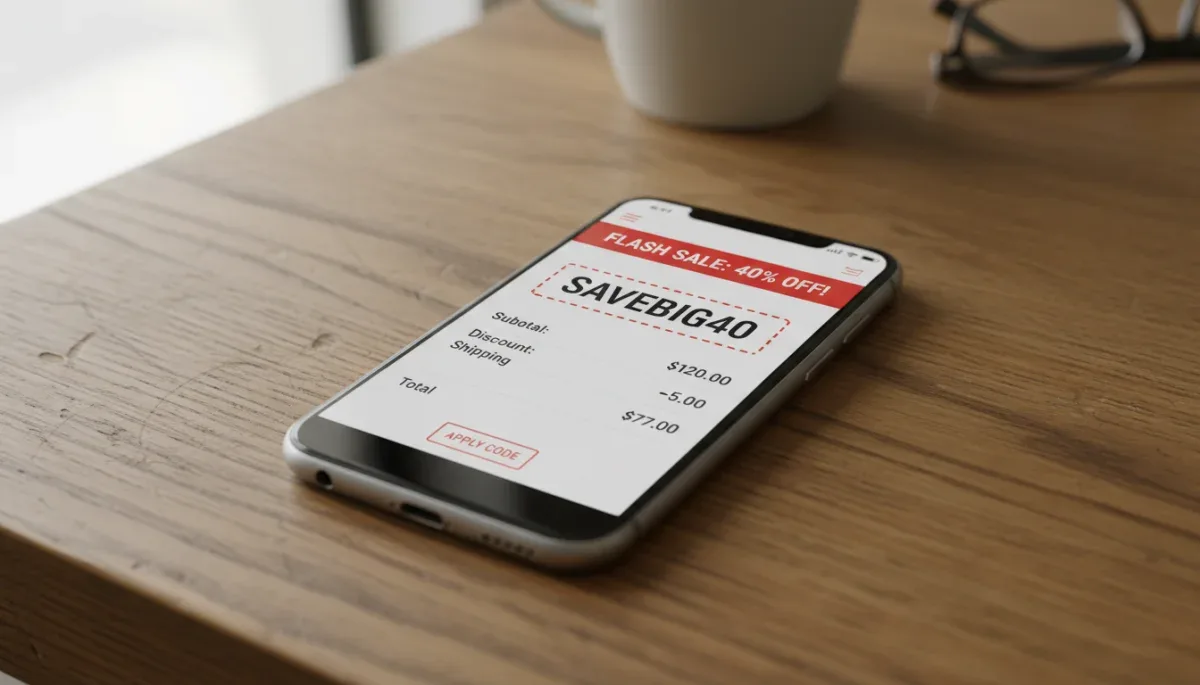
While price history trackers provide helpful context, they do not track every element of the total checkout cost. Most scrapers only capture the numerical sticker price displayed on the public desktop version of an item page. They generally cannot calculate digital manufacturer coupons that require a manual on-page click, cart-level threshold discounts, or promo codes applied at final checkout.
Furthermore, major online retailers increasingly utilize dynamic pricing models that vary depending on user accounts, geographic regions, or mobile app usage. A price history extension reading a desktop browser price may not reflect a mobile-exclusive discount or a tailored promotion tied to an account rewards tier. Shipping fees, regional delivery surcharges, and return handling fees are also absent from standard tracking graphs, meaning an apparent record-low price could carry added checkout fees that negate the savings.
Points where tracker data may fall short
- Manual on-page digital coupons requiring a click to redeem.
- Promotional promo codes entered during final payment processing.
- App-only sales events hidden from standard desktop scrapers.
- Mandatory shipping, oversize handling, or regional delivery fees.
Product specifications and model variations to monitor
During high-volume sales seasons, manufacturers sometimes produce seasonal variations of popular merchandise specifically for promotional distribution. These derivative items, often found in consumer electronics, home appliances, and budget apparel lines, look nearly identical to standard flagship models but carry slight differences in model numbers, materials, or internal specifications. A television or small kitchen appliance offered at an unusually low price point may lack specific input ports, display lower refresh rates, or utilize lighter-grade exterior housings.
When using a tracker, ensure the historical line graph matches the exact model number of the item currently in your cart. A common error involves cross-referencing an older, discontinued iteration or a different internal storage tier with a newly released product. Small suffixes in model codes, such as a trailing letter denoting a holiday-specific bundle, can prevent tracking tools from displaying complete pricing history or cause them to confuse two distinct hardware configurations.
Marketplace third-party sellers versus direct inventory
Major online platforms operate mixed marketplaces featuring direct inventory sold by the retailer alongside listings from hundreds of independent third-party merchants. Price tracking services generally separate these sellers on their graphs, distinguishing between direct retail stock, fulfilled-by-retailer third-party items, and direct-ship merchant listings. Examining this breakdown is critical because third-party merchants often raise prices significantly when official inventory sells out.
A price spike shown on a tracking chart frequently indicates that direct stock became unavailable, leaving only inflated marketplace listings. Conversely, a sharp drop might reflect a third-party seller offering refurbished, open-box, or grey-market goods under the same listing header. Always review seller ratings, fulfillment source, and warranty coverage on the product page itself rather than assuming a recorded low price reflects brand-new merchandise sold directly by the primary merchant.
Evaluating return policies and restocking conditions
A competitive price holds little value if an ill-fitting or defective item cannot be returned without penalty. Many retailers adjust their standard return policies during promotional windows, offering extended holiday return dates that run through January. However, these seasonal extensions often carry strict exemptions for clearance categories, open-box electronics, or final-sale apparel.
Before purchasing based on a historic low price, inspect the item listing for mandatory restocking fees, return shipping deductions, or store-credit-only limitations. Third-party marketplace sellers may maintain return terms that differ entirely from the hosting platform standard policy. Confirming these terms at the time of writing protects your budget against unreturnable goods, particularly when buying gifts well in advance of the holidays.
At a glance
| Factor | What to know |
|---|---|
| Baseline price | Check prices from three months prior to spot artificial pre-sale markups. |
| Coupons and codes | Scrapers record sticker prices and usually miss clickable or promo code discounts. |
| Exact model numbers | Holiday promotional variants may feature different specs than standard retail models. |
| Seller category | Differentiate between direct platform inventory and independent third-party merchants. |
Frequently asked questions
Do price trackers monitor shipping costs and taxes?
No, standard price trackers record only the public list price shown on the product page. They do not calculate sales tax, regional delivery fees, oversize freight charges, or shipping fees applied during checkout, which can alter total purchase costs.
Why does a tracker show a price lower than what appears on my screen?
The lower recorded price may reflect a temporary third-party listing, an out-of-stock notification, or a scraper delay. Alternatively, the retailer may be displaying personalized pricing, geographic variations, or mobile-exclusive promotions that differ from the desktop data captured by the tool.
Are holiday-specific model numbers lower in quality?
Some holiday-specific models include fewer accessories, alternative component materials, or reduced port selections to meet promotional price points. Checking the detailed manufacturer specification sheet against the standard retail edition reveals whether features were removed to achieve the lower cost.
Can price history tools track in-store retail prices?
Most price history trackers only monitor online inventory published on public websites. In-store prices, regional shelf clearances, and local manager markdowns are generally not captured by standard web-scraping software unless the merchant explicitly lists regional in-store inventory online.
The bottom line
Price history trackers are practical tools for spotting artificial holiday discounts and confirming whether an advertised deal delivers genuine savings compared to historical averages. However, software graphs do not reveal the entire picture regarding coupon eligibility, model variations, and delivery fees. Always verify the exact model number, confirm seller fulfillment details, and review the current official return terms directly on the retailer website before completing your holiday purchase.
Written by
Maria Eduarda
Maria Eduarda writes about clothes, discounts and electronics for flowershein.com. Each article explains how things work, compares published details such as prices, policies and program rules, and points readers to the official source before they decide.